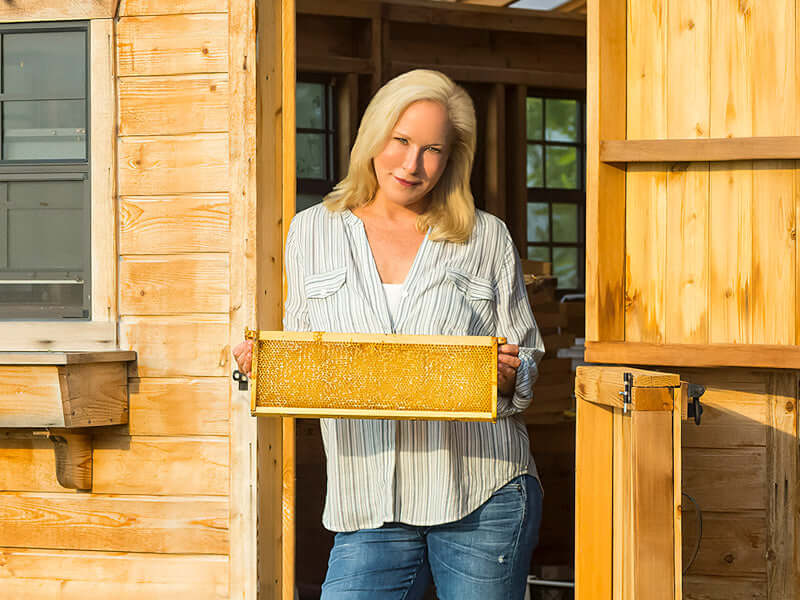


Few moments in beekeeping feel as high stakes as realizing your queen is failing. The whole colony rises and falls with her, so when her laying slows or stops, the clock starts ticking. Requeening is how we step in and give a struggling hive a fresh start. As a second-year beekeeper learning alongside patient mentors, I have come to see requeening as equal parts science and instinct, and getting it right can mean the difference between a colony that rebounds and one that fades away. Pointing to the queen at the bottom of the frame.
What Is Requeening?
Requeening is the deliberate replacement of a hive’s existing queen with a new one, usually a younger, more vigorous queen. Bees do a version of this on their own through a process called supersedure, quietly raising a replacement when they sense their leader is slowing down. But sometimes a colony cannot wait for nature to take its course, and that is where the beekeeper steps in. Swapping out an old or failing queen helps keep egg laying, brood production, and overall hive momentum on track.
Placement matters more than people expect. Setting the new queen near a frame of capped brood tends to improve her odds of acceptance, because brood signals to the workers that the colony is actively raising young, and they fold the newcomer into that caretaking rhythm. During natural requeening, workers build distinctive queen cells, larger and more peanut shaped than ordinary brood cells, where future queens develop on a steady supply of royal jelly.

Why Should You Requeen Your Hive?
There is no single trigger for requeening. Instead, it is usually a cluster of signs that, taken together, tell you the current queen is no longer carrying her weight. Here are the situations that most often prompt beekeepers to act:
- A shrinking population: noticeably fewer bees than in your other colonies of similar age.
- A poor brood pattern: spotty, scattered, or irregular egg laying that points to a queen in decline.
- Missing eggs: no visible eggs in the brood chamber, a strong hint the queen has failed or gone missing.
- Her age: queens typically lay most prolifically in their first year or two, then taper off.
- Genetics: a queen from selected, well-bred stock can pass along traits like gentleness and resilience.
- Temperament: a persistently aggressive colony can sometimes be calmed by replacing the queen, though you may need to split or shake the hive first.
- Drone-heavy brood: patches of bumpy, raised drone cells mixed into worker brood can signal a queen who can no longer fertilize her eggs.
- A hot hive: colonies that stay defensive and territorial through repeated visits are often candidates for a temperament reset.
As the Oregon State Beekeepers Association puts it, the strength of a hive comes down to its numbers: “A large adult population, lots of brood and a solid brood pattern are indicators of a good queen and a strong hive.” When those markers slip, the queen is usually where the trouble starts.
Inspecting a frame of brood.
Why the Queen Matters So Much
It is hard to overstate how central the queen is to colony life. She is the only fully reproductive female in the hive, which means every worker and drone traces back to her. Beyond egg laying, she holds the colony together chemically, releasing pheromones that signal her presence and keep the workforce calm and coordinated.
That single point of dependence is also a vulnerability. A colony simply cannot persist without a laying queen, so if she sickens or dies and no replacement is raised or introduced in time, the hive will dwindle and collapse. A steady, consistent supply of brood is the clearest sign that a queen is doing her job and the colony has a future.

How to Spot the Queen and Her Cells
Before you can replace a queen, you have to find her, and that is a skill in itself. A few telltale features help her stand out from the crowd:
- Size: she is usually the largest bee on the frame.
- Shape: her abdomen is longer and more tapered than a worker’s.
- Movement: she moves with purpose, often surrounded by a small retinue of attendants.
- Legs: her legs splay outward a bit, making her gait distinctive once you know the look.
- A marking dot: commercially raised queens often wear a colored dot on the thorax that codes the year she was born.
If you want a deeper walkthrough on tracking her down, our guide to queen hunting covers the search frame by frame.

Capturing the queen.
When to Order a New Queen
Timing is everything, and I learned that the hard way. One of my hives had been robbed the previous season and limped into spring badly weakened. Because demand runs high, we now place queen orders in January for spring delivery, which is the standard advice. There is also a case for requeening later in the season: a new queen introduced going into fall can raise winter bees, the long-lived workers that carry a colony through the cold and into a strong spring.
A practical tip on sourcing: queens you can pick up within driving distance often travel better than shipped queens, simply because they spend less time in transit. Local beekeeping associations and nearby suppliers are a great starting point.
Preparing the Hive for a New Queen
A little prep work goes a long way toward a smooth introduction. Start by removing any existing queen cells or supersedure cells. The workers build these to raise their own replacement, and if you leave them, they can compete with the queen you are trying to introduce. Go through the frames carefully and clear them out.
Next, tidy up. A clean, organized brood box lowers stress and gives the new queen room to settle in, so clear away debris and excess burr comb that might get in the way. While you are in there, look closely at the brood for any irregular patterns, discolored larvae, or off smells that could point to brood disease, and address anything you find before you introduce the new queen. A healthy hive is far more likely to welcome her. Many beekeepers, myself included, also like to mark the queen before installing her so she is easier to track later.

Marking the queen.
Introducing the New Queen
This is the delicate part. The new queen should go in inside a protective queen cage rather than being released straight onto the comb, because the workers need time to get used to her scent before they will accept her. The cage lets them meet her gradually, through the screen, without being able to harm her.
Position the cage between two top bars with the screened side facing the comb so the workers can cluster around and interact with her. Set it on a slight tilt with the candy plug facing down. Over the next few days, the bees eat through that candy and release her on their own, which gives the colony time to come around to her pheromones.
Always follow whatever instructions your queen breeder provides, since recommendations vary from one operation to the next. Once the cage is in place, close up the hive and jot the date and a note like “Q intro” on the underside of the lid. That small habit keeps your timeline straight and reminds you not to pop the lid too soon.

Care and Monitoring After Requeening
The hardest instruction to follow is also the most important: leave the hive alone for about a week. The bees need uninterrupted time to accept their new queen, and checking too early can undo the whole process.
After that week, open up and confirm two things: that she has been released from the cage and that she has started laying. Fresh eggs and new brood are the signs you want to see. If you spot any supersedure cells, remove them so the workers do not try to replace the queen you just introduced.
From there, keep up regular inspections. Watch for irregular brood patterns, discolored larvae, or unusual odors that might indicate disease, and act quickly if anything looks off. A queen who is accepted and laying well, in a hive you are monitoring steadily, sets the whole colony up to thrive.

My Own Requeening Story
When we inspected that weakened hive in early April, the picture was not pretty. There was no brood in the lower brood box, pests had moved in (we found roaches and beetles), and there was a tangle of excess burr comb making a mess of the frames.
So we got to work. After cleaning out the hive and clearing the pests, we found the queen, and her poor performance confirmed what the frames had already told us. We gently removed her, introduced a new queen in her cage, and added a fresh package of bees to rebuild the population. Bringing in a new queen and letting her offspring gradually replace the older workers can shift a hive’s temperament over time, and a frame of healthy worker brood is the clearest sign she has taken hold.
One thing worth underscoring from that day: the queen cage really is the safety net. Releasing a new queen directly onto the comb is risky, because workers that have not accepted her scent yet may turn on her. The slow, caged introduction, done after the old queen has already been removed, gives her the best possible odds.

A queen cage filled with the queen and her attendants.
Requeening Best Practices at a Glance
If you take nothing else from this, keep these working principles in mind for a successful requeening:
- Choose queens from reputable sources with the traits you want, like gentleness and strong laying.
- Introduce new queens during good weather and active nectar flows when the colony is calm and well fed.
- Remove the old queen first; introducing a new queen before the colony is queenless sharply lowers acceptance.
- Use the caged, indirect method and place the cage between frames of emerging brood.
- Resist inspecting for at least a few days, then check for acceptance around the three to five day mark and again after a week.
- If she has not been released within a week, gently check whether she is stuck behind the candy and help if needed.
- Clear any new supersedure cells you find so the workers do not replace her.
- Keep adequate food resources available throughout the transition.
Mastering the Art of Requeening
Requeening sits right at the intersection of science and craft. Knowing when a queen is failing, and handling her replacement with patience and care, can rescue a struggling colony and set it back on a productive path. The indirect, caged introduction is consistently the more reliable approach. And as with every part of beekeeping, the real teachers are observation, patience, and a willingness to keep learning season after season. If you are curious how a healthy hive prepares for the cold months ahead, our post on how bees get ready for winter is a natural next read. And of course, every strong, well-queened hive is what makes our Eastern Shore honey possible in the first place.
Caring for this land and these communities is at the core of who we are. It’s why we created Roots & Wings , our giving initiative that connects every purchase to something that matters. See how we give back.

FAQs About Requeening a Hive
What does requeening a hive mean?
Requeening means deliberately replacing a colony’s existing queen with a new one, usually younger and from selected stock. Beekeepers do this when the current queen is failing, aging, or producing a poor brood pattern, so the colony can keep laying eggs and rebuilding its population.
When is the best time to requeen a hive?
Spring is the most common window, and many beekeepers order queens in January for spring delivery because demand is high. Requeening heading into fall is also valuable, since a new queen can raise long-lived winter bees that carry the colony through the cold and into a strong spring.
How long does it take for bees to accept a new queen?
Plan on about a week. The new queen goes in inside a protective cage with a candy plug that the workers slowly eat through, releasing her over a few days as they grow accustomed to her scent. Avoid disturbing the hive during this period, then check for eggs and brood after roughly seven days.
Why introduce a new queen in a cage instead of releasing her directly?
Workers that have not yet accepted a new queen’s pheromones may attack and kill her if she is released straight onto the comb. The cage lets the colony get used to her gradually and safely, which significantly improves the odds that she will be accepted.
How do I know if requeening worked?
About a week after introduction, open the hive and look for two things: that the queen has been released from her cage and that she has begun laying. Fresh eggs and an expanding brood pattern are the clearest signs of success. Remove any supersedure cells you find so the workers do not try to replace her.