



Eastern Shore Honey
Honey from Ethical Beekeepers
The jar that doesn't match the others on your shelf because you keep buying more varietals. Tupelo tastes different than Sourwood. Spring tastes different than Coffee Blossom. Lighter honey is sweeter. Darker honey tastes more like the flowers.
Our hives live on Kent Island, on Maryland's Eastern Shore. Our curiosity doesn't. When a bloom worth chasing happens somewhere else, a Tupelo swamp in Florida, a coffee plantation in Guatemala, a sunflower field in Ukraine, we work with the beekeeper who lives beside it. Every jar tells you exactly what the bees were visiting when they made it.
Flights, Already Assembled
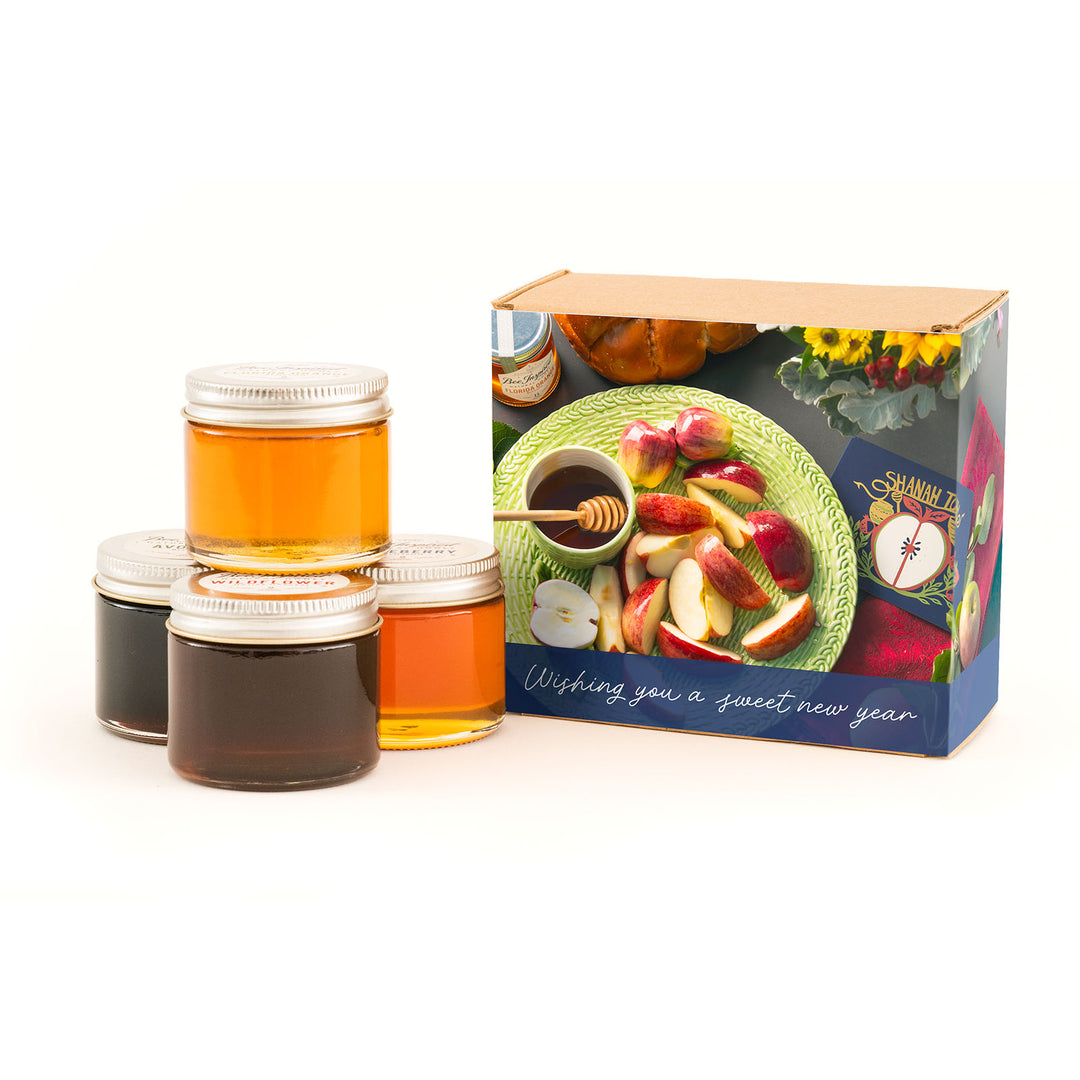
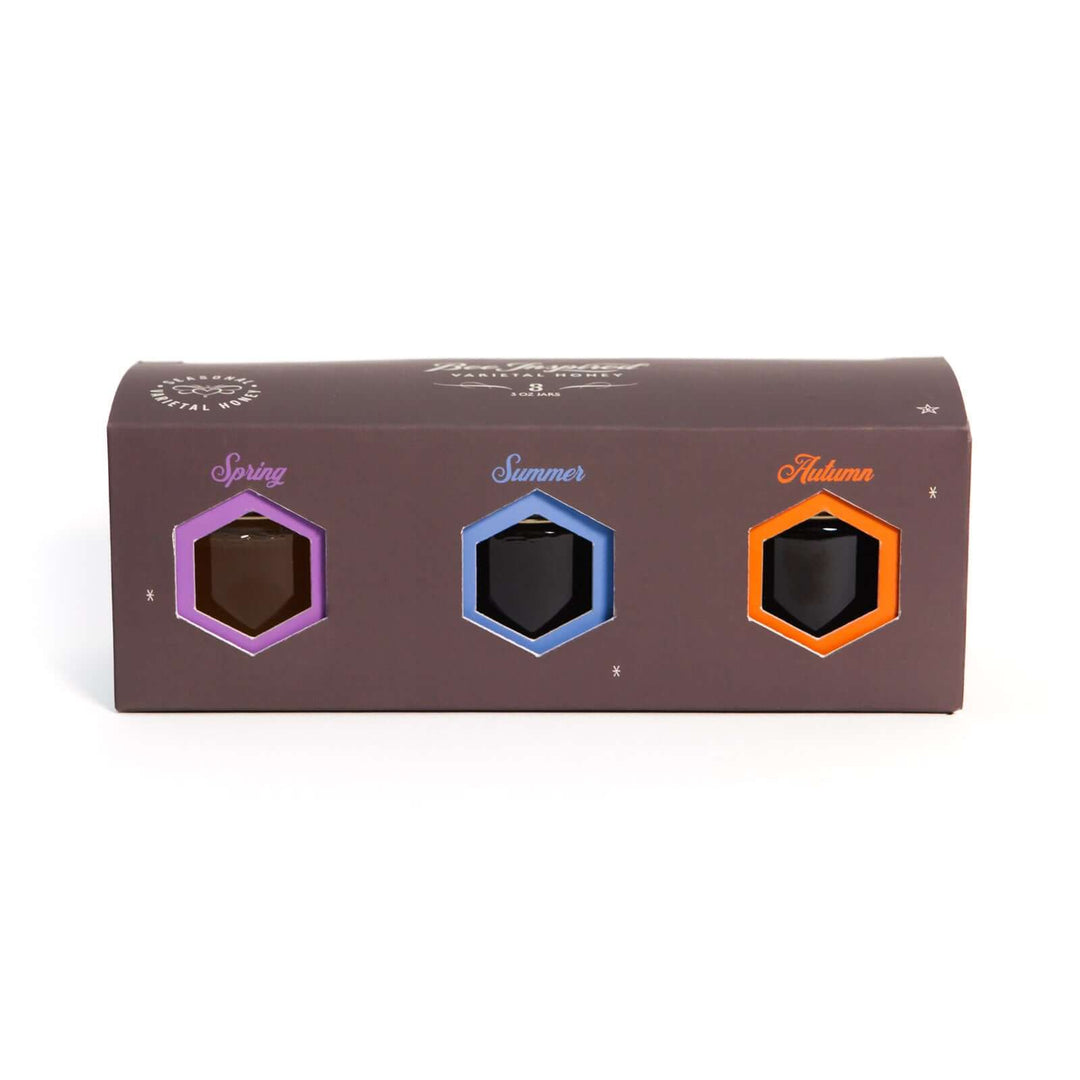
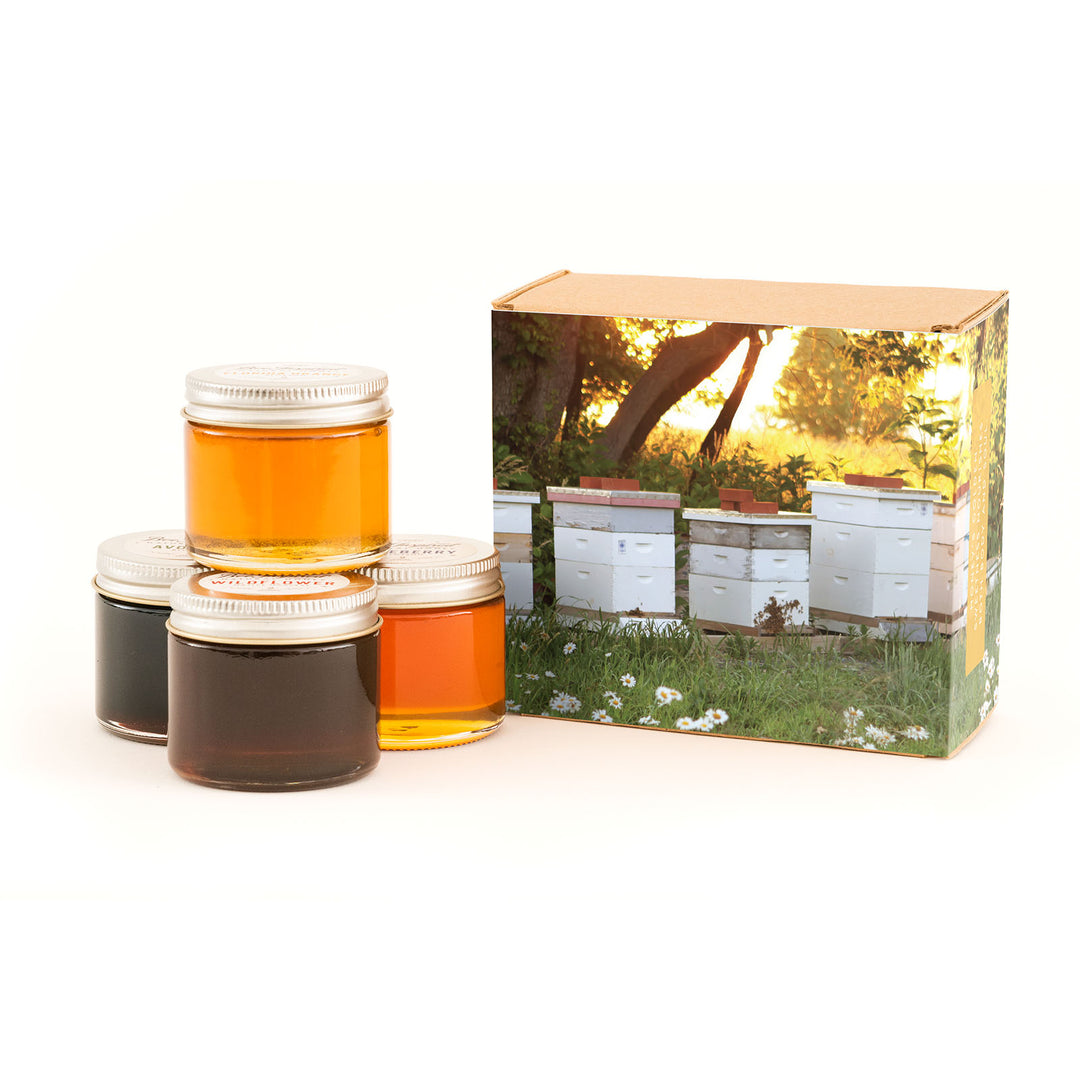
Curated three-jar sets, chosen so the differences show. The fastest way in.


Start Your Flight Here
The everyday varietals, and nothing ordinary about them. Pick any three and the flight builds itself.









How to Taste Honey
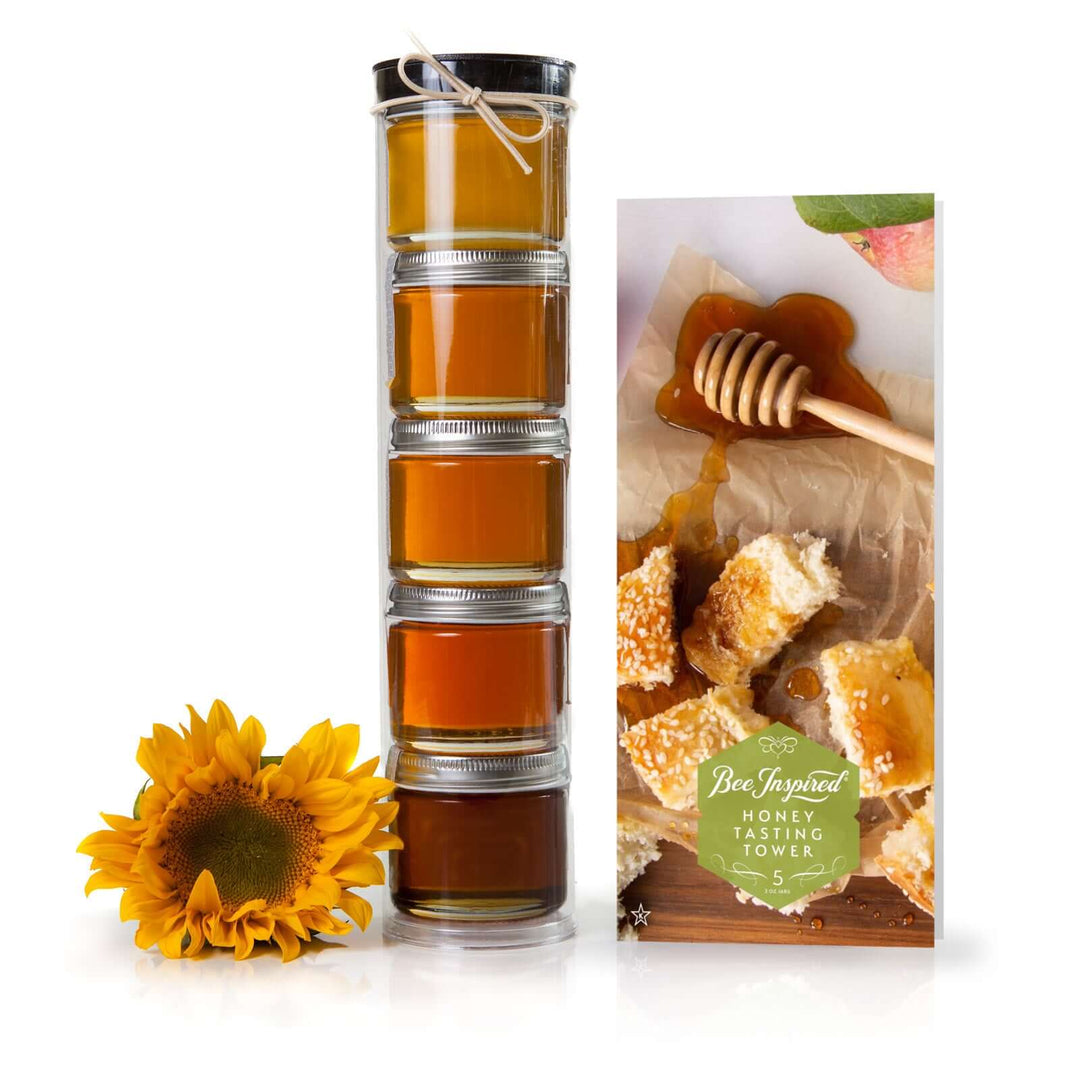
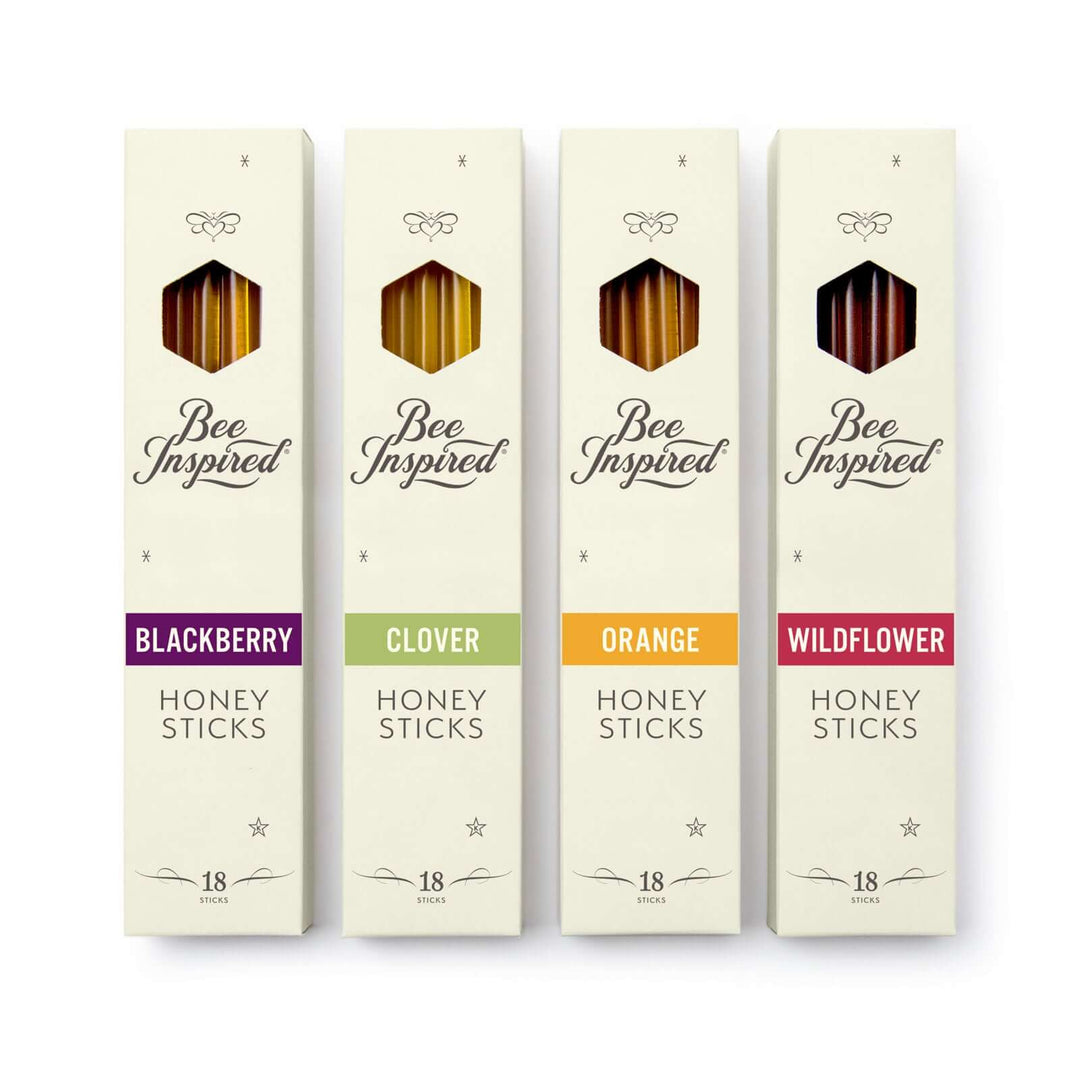
Start light, finish dark. Lighter honeys are sweeter and more delicate; darker honeys carry more of the flower. One jar is a condiment. Three, side by side, is a tasting, and the differences stop being descriptions and start being obvious.
Jarred in Owings Mills
We bottle every jar by hand, in runs sized so we can check the texture and smell every batch before it goes out. Not processing-plant scale. Quality-control scale.


Star-K Kosher Certified
Not a label we slapped on for marketing. Actual rabbinical certification, which means our entire production process is independently supervised to kosher standards. Matters to people who need it to matter.
What Stays in the Jar
No pasteurization. No ultra-filtering. The pollen and enzymes stay in, which is why our honey crystallizes naturally and tastes like the flowers the bees actually visited. Grocery store honey gets heat-treated to stay liquid on shelves for years. Ours doesn't.


Varietal Honey Explained
Honey gets its name from whatever the bees were primarily visiting. Orange Blossom means bees working orange groves. Buckwheat means buckwheat fields. The nectar from each plant tastes different, so the honey tastes different. Not artificially flavored. Just what bees do.
Limited by Harvest
Some varietals only show up for short windows when specific plants bloom. Cranberry harvests in fall. Spring honey only happens in spring. Coffee Blossom depends on Guatemalan coffee plantation bloom cycles. When we're out, we're out until next harvest.


More Than Honey
Every jar of Eastern Shore honey you bring home supports our commitment to giving back — from planting trees in Appalachia to funding scholarships and programs for underserved youth. Learn how we give back.
We jar everything by hand in Owings Mills. Same facility, same standards, same people checking every batch before it ships. Star-K kosher certified. Minimally filtered, which means the pollen, enzymes, and flavor compounds that processing strips out are still in the jar. Some varietals come from our Kent Island hives. Others come from beekeepers we trust across the country and the world, each one working a specific bloom: Tupelo swamps in Florida, coffee plantations in Guatemala, sunflower fields in Ukraine.
What's available rotates with the harvest. Cranberry and Coffee Blossom appear for short windows. Spring honey only happens in spring. When they're gone, they're gone until the next bloom. Every jar tells you exactly what the bees were visiting when they made it.
Use it your way
- Tea — A spoonful in the cup instead of sugar. Pairs well with most of what's in our Loose Leaf Artisan Tea collection.
- Cooking — Into a glaze, a vinaigrette, a marinade. The lighter varietals work well where you want sweetness without weight; the darker ones add depth to roasted and braised dishes.
- Gifting — Single-origin honey travels well and keeps. See our Honey Gifts for curated options.
Honey FAQs
Minimally-filtered honey is never pasteurized, so it keeps the pollen, enzymes, and natural flavor compounds that processing removes. Regular grocery store honey gets heat-treated to kill yeast and ultra-filtered to stay liquid longer. Ours crystallizes naturally because we don't process it.
Because it's real and minimally-filtered. Crystallization is what real honey does naturally—glucose in honey bonds with water and forms crystals. Some varietals crystallize faster than others depending on their glucose-to-fructose ratio. If you want it liquid again, warm the jar in hot water. Don't microwave it.
Honestly? Don't choose. Any three jars make a flight, and tasting them side by side is how the differences stop being descriptions and start being obvious. If you want a rule: pick one light (Orange Blossom, Sweet Clover), one mid (Blackberry, Wildflower), one dark (Buckwheat). Or start with a set we've already assembled.
Borrowed from wine: three honeys tasted side by side instead of one at a time. Single-varietal honey is a category you taste across, not a condiment you stock, and the differences between a Tupelo and a Buckwheat only really land in comparison. Any three jars on this page make a flight, and flights are 10% off automatically. Royales run by their own rules: never discounted, though right now any three Royales come with the Bee's Knees tea as our gift.
Some of it. Spring, Summer, and Autumn varietals come from our hives on Kent Island, Maryland. Other varietals come from beekeepers across the U.S.—Tupelo from Florida, Blueberry from New Jersey, Alfalfa from New York. Every honey's page lists where it came from.
It means the bees were primarily visiting one type of plant when they made that honey. Not exclusively—bees go where they want—but predominantly. If bees are working orange groves during orange blossom season, most of the nectar comes from orange blossoms. That's Orange Blossom honey.
Harvest difficulty. Tupelo only grows in specific Florida swamps with short bloom windows. Sourwood comes from Appalachian trees that don't produce reliably every year. Coffee Blossom depends on Guatemalan plantation bloom cycles. Limited supply, higher cost.
Yes. Heat destroys some of the enzymes and compounds that make honey minimally-filtered, but it still works fine for cooking and baking. Use 3/4 cup honey for every 1 cup sugar, reduce liquid in the recipe by 1/4 cup, and lower oven temp by 25°F because honey browns faster than sugar.
Honey doesn't spoil. Crystallization isn't spoilage—it's just glucose forming crystals. Store it at room temperature. If it crystallizes and you want it liquid, warm the jar in hot water. Don't refrigerate it unless you like scooping crystallized honey.


