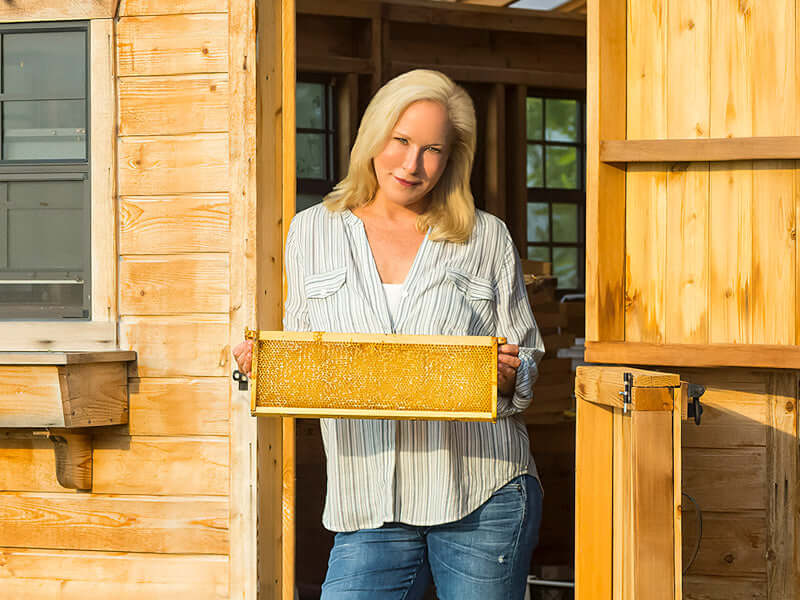


I remember setting up my first hives like it was yesterday. More than a decade ago, before I knew the first thing about beekeeping, I was a click away from ordering a starter kit online when a friend introduced me to Dale Large, who worked for “my honey.” Dale had been keeping bees longer than I had been alive, and he was utterly passionate about the craft. That introduction changed everything, and it is where my journey to becoming Bee Inspired truly began.
If you have been dreaming about a hive of your own, this is the honest, step-by-step account of how I got started: the planning, the equipment, and the single most important decision a new beekeeper makes, which is where to put the hive.
A Beginner Beekeeping Checklist
Before a single bee arrives, there is groundwork to do. Here is the to-do list I worked through, and the same one I would hand any friend asking how to start beekeeping:
- Find a local beekeeping group or an experienced beekeeper to learn from
- Take a beginner beekeeping class
- Read a few good books on the basics
- Choose the location for your hives
- Order your equipment and supplies
- Order your bees
- Set up your hives
- Feed your bees
- Plan your first follow-up inspection for about three weeks out
That last point matters more than new beekeepers expect. Bees move fast once they settle in, and checking on them every week or so in those early days keeps you ahead of problems. I learned that lesson the hard way, and I share it in my five beekeeping tips.
Why I Started With Used Hive Equipment
I put together a list of questions for Dale and set up a time to interview him. When I arrived at his office, he rolled out two hives and told me, “This was good to get me started.” Dale had been doing this so long that he assembled two complete hives for me out of spare parts.
There was a real benefit to using his seasoned equipment instead of buying everything new. With brand-new hives, bees have to spend their first weeks drawing out fresh comb before they can do much else. Chances are good that with new hives, you will not harvest honey in your first year. Used equipment with comb already drawn gives a young colony a head start.
If you would rather build a hive from scratch, I documented that route too, including the parts list and what it cost us, in Starting a New Hive.
Choosing the Right Location for Your Beehive
The first real task was finding the right spot for the bees, and it is the decision I would tell every new beekeeper to slow down on. Moving an established hive later is genuinely difficult, so it is worth getting the placement right from the start.
Here is the criteria I used when scouting a location. Look for an area that is:
- not too close to the house
- protected from high wind
- shaded enough that it will not get too hot in summer
- unlikely to be disturbed by lawn mowers or routine yard work
- near a water source
- close to flowering plants and trees
- facing east or south, depending on who you ask
- positioned to catch the morning sun
I found the perfect spot between an old pear and apple orchard and a stand of walnut trees, on a part of the property that faces the water and the east, where the hive would catch the first light of the day. I built a stone bed, covered it with a tarp, and laid down another layer of stone for a stable, well-drained base. Then Dale set up the hives while I documented every step, which you can follow along with in Setting Up the Hives, Part 2.
Why I Chose a Langstroth Hive
I started with a Langstroth hive, the most common type of honeybee hive in most of the world. Its construction resembles a set of drawers on a stand with a lid. The drawers hold the frames and stack just like a chest of drawers, and you add more boxes, called supers, as the colony grows. That modular design is exactly why it has stayed popular for more than 150 years: it makes inspecting the colony and harvesting honey far simpler than older hive styles.
If you want to understand the clever bit of bee biology that makes the Langstroth design work so well, I dug into it in Understanding Bee Space.
A Few Setup Details New Beekeepers Forget
If you are setting up brand-new hives, paint the exterior to protect the wood from the weather. And whether your equipment is new or used, label it: place your name, address, and phone number in several spots on the outside and inside of all of the hive parts. Many states require this, and it makes life easier for apiary inspectors and for you.
From there, the work shifts to feeding the colony, keeping a close eye on them through the seasons, and preparing them for winter when the time comes. If you are curious where the journey leads, our guide on how to winterize beehives in Maryland picks up much later in the season.
All of this care has a sweet reward. The colonies that started on this very patch of Chesterhaven Beach Farm are part of what goes into our Eastern Shore varietal honey, each jar shaped by the trees and wildflowers blooming nearby.
Caring for this land and these communities is at the core of who we are. It is why we created Roots&Wings, our giving initiative that connects every purchase to something that matters. See how we give back.
FAQs About Setting Up Your First Beehive
Where is the best place to put a beehive?
The best spot is sheltered from high wind, gets morning sun, sits near a water source and flowering plants, and stays out of the way of foot traffic and yard work. Many beekeepers face the entrance east or south so the hive catches early light. Choose carefully, because moving an established hive later is difficult.
Should beginners start with new or used hive equipment?
Both work. New equipment lets you build a hive exactly to your liking, but the bees must draw fresh comb first, which often means no honey in the first year. Used equipment with comb already drawn gives a new colony a head start. Just be sure any used gear comes from a healthy, inspected source.
What kind of hive is best for a beginner?
The Langstroth hive is the most widely used design and a common starting point. Its stackable boxes and removable frames make inspections and honey harvesting straightforward, and replacement parts are easy to find.
How soon will I get honey after setting up a hive?
It depends on your equipment and your season. A colony starting on brand-new comb usually spends its first year building up, so honey often comes in year two. Starting with drawn comb can shorten that timeline.
How often should I check a new hive?
In the early weeks, plan to look in roughly every week to ten days. Frequent early checks help you spot a growing colony that may be ready to swarm, along with feeding or space needs, before they become problems.