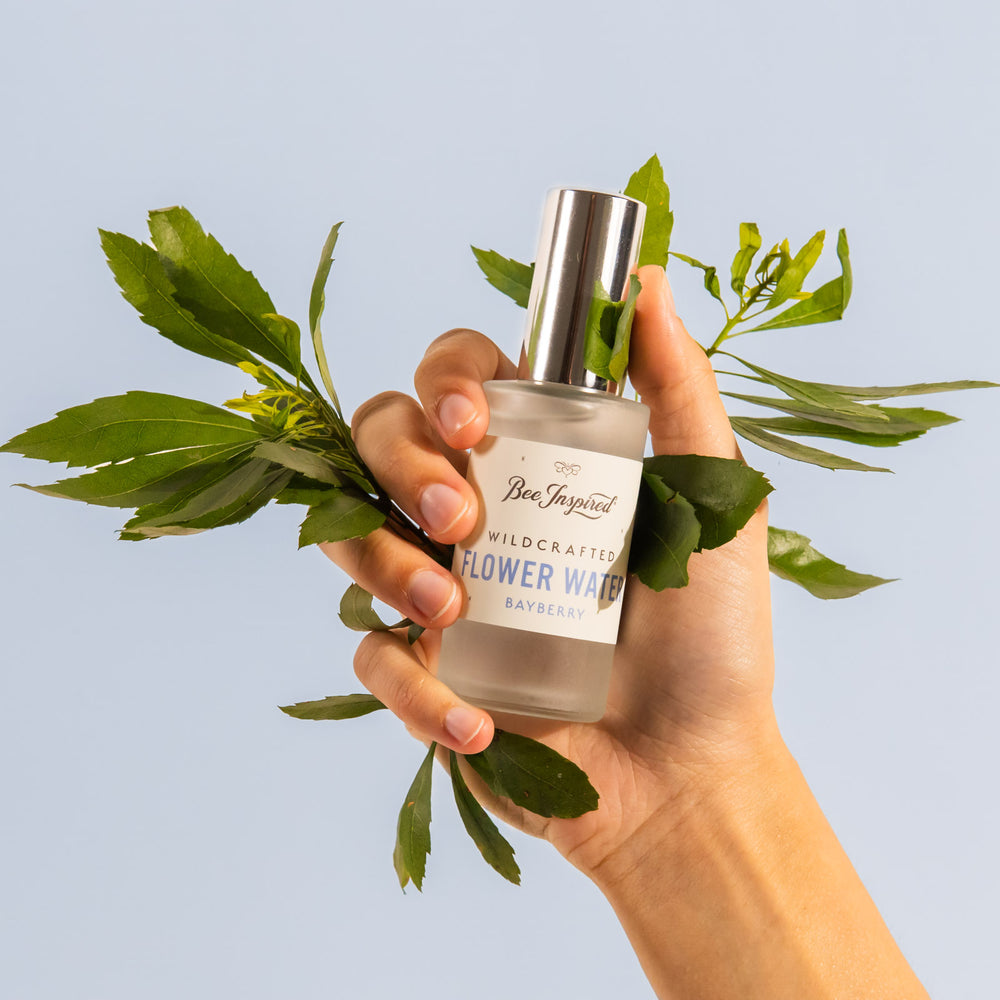


A lavender tonic is one of the simplest, most useful things you can make from a handful of fresh buds and a few minutes at the stove. The result is a clean, lightly fragrant spritz that doubles as a face mist, body refresher, hair spray, and pillow scent. Three ingredients, about thirty minutes start to finish, and you have a 16 ounce bottle that lasts for months.

This is a topical body care recipe, not a beverage. Think of it as homemade lavender water with a touch of witch hazel to help everything mix and stay fresh. If you want the same idea in a ready-to-use bottle, our Lavender Flower Water is a steam-distilled hydrosol made from buds we grow on our Maryland farm.

What Is Lavender Tonic?
A lavender tonic is a water-based spray made by infusing lavender buds in hot water, then blending that lavender tea with a small amount of alcohol or witch hazel and a few drops of lavender essential oil. The alcohol does two jobs: it helps the essential oil disperse evenly through the water, and it acts as a gentle preservative that extends shelf life.
It is sometimes confused with a hydrosol, which is the actual steam-distilled water collected during essential oil production. A homemade tonic is closer to a strong lavender tea blended with a fixative, which makes it quicker and easier to produce at home but with a shorter shelf life than true distillation.

What You’ll Need
Equipment
- Nonreactive pot (glass or stainless steel works best)
- Fine mesh strainer or cheesecloth
- 16 ounce glass jar or PET plastic spray bottle
- Measuring cups and spoons
Ingredients
- 1 cup distilled water
- 1/2 cup fresh lavender buds, or 2 tablespoons dried
- 2 tablespoons witch hazel (vodka or 70% isopropyl alcohol also work)
- 5 to 10 drops lavender essential oil
For a shortcut, skip the lavender tea step and use 1/2 cup of our Lavender Flower Water instead. It is already steam-distilled lavender hydrosol, ready to bottle.

How to Make Lavender Tonic
Step One: Brew the Lavender Tea
Bring distilled water to a boil in a nonreactive pot. Place your lavender buds in a heatproof bowl or jar, then pour the boiling water over them. Cover and let the buds steep for 20 to 30 minutes, until the water has cooled completely. Steeping longer than this can introduce a faint bitterness without adding fragrance.
Step Two: Mix the Tonic Base
While the tea cools, pour the witch hazel into your clean glass jar or spray bottle. Add 5 to 10 drops of lavender essential oil and swirl gently. The alcohol in the witch hazel will hold the essential oil in suspension once you add the water.
Step Three: Combine and Bottle
Once the lavender tea is fully cool, strain it through fine mesh or cheesecloth, pressing the buds gently to release the last of the liquid. Pour the strained tea into your bottle with the witch hazel mixture. Cap tightly and shake well to blend.
Step Four: Chill and Use
Refrigerate the bottle for at least an hour before the first use. A cold spritz on warm skin is part of the appeal. After that, store in a cool, dark place and shake well before each use. The tonic keeps for up to six months.

How to Use Your Lavender Tonic
As a Face Mist
Spritz onto clean, dry skin after washing and before applying a moisturizer or facial oil. The light fragrance fades within a minute or two, leaving skin feeling cool and refreshed. Layer with our Rose+Lavender Facial Oil if you like a richer finish.
As a Body Spray
Mist onto skin straight out of the shower while you are still slightly damp. The water in the tonic helps draw moisture into the skin before you apply a body butter or oil.
As a Hair Refresher
Spray a few times into your hairbrush or directly onto dry hair between washes. It freshens without leaving a powdery residue.
As a Pillow and Linen Spray
A few spritzes on pillows, sheets, and blankets before bed turns your bedroom into a lavender field. Light enough that the scent fades by morning.
As a Room Refresher
Spritz into the air around an unmade bed, near a closet, or after cleaning the kitchen for a fresh, clean fragrance.

Customizations
This recipe is an open invitation to play. A few directions worth trying:
- Add a citrus note. A few drops of bergamot, sweet orange, or grapefruit essential oil brighten the lavender and shift the scent toward something more uplifting.
- Try a rose blend. Substitute rose hydrosol for half of the lavender tea, or add a few drops of rose essential oil. Pairs beautifully with our Rose+Lavender Facial Oil.
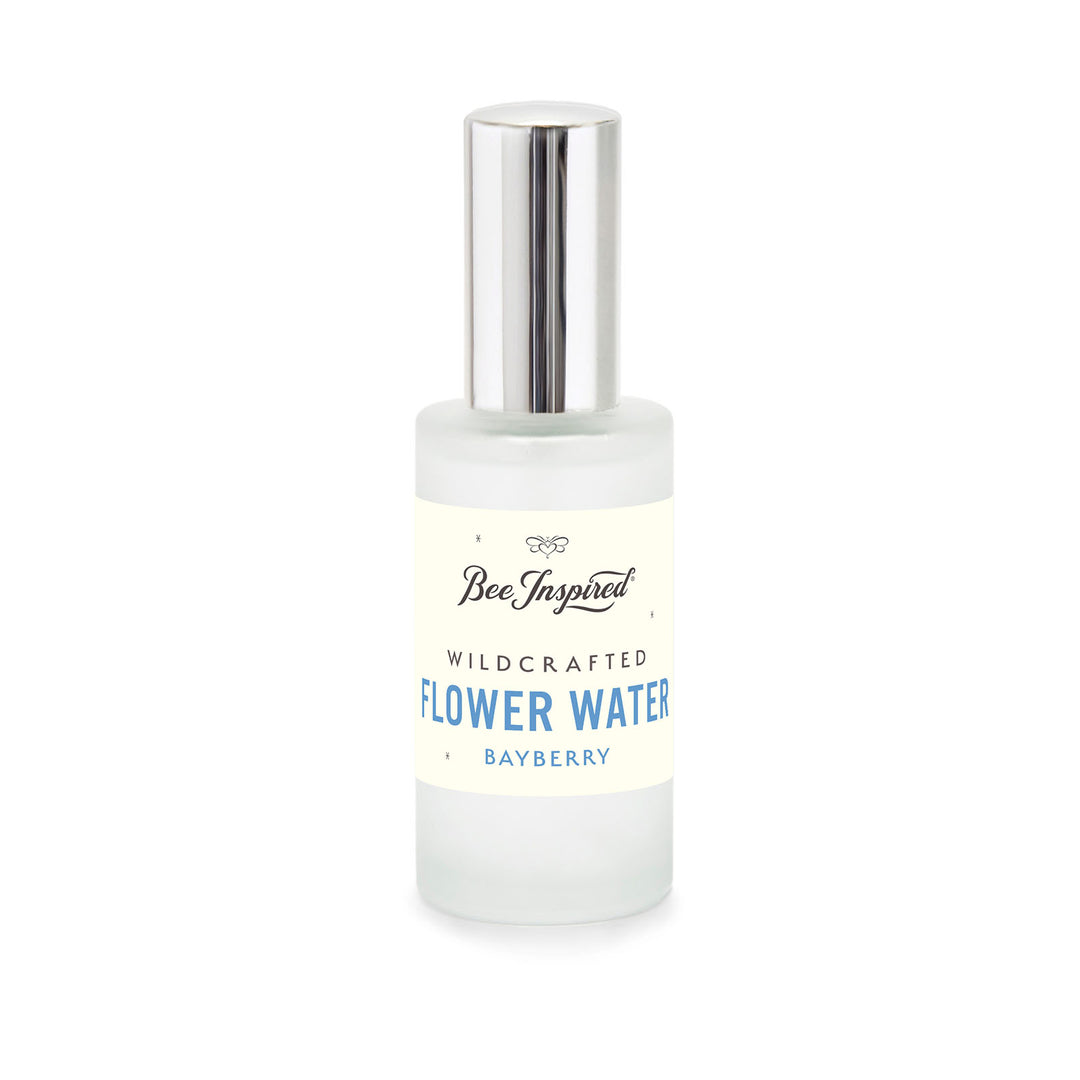
- Swap the base water. Use our Bayberry Leaf Flower Water in place of the lavender tea for a different botanical note.
- Layer with honey body care. The whole Peace of Mind Collection is built around the same farm-grown lavender, so the scents layer cleanly.

Lavender at Our Farm
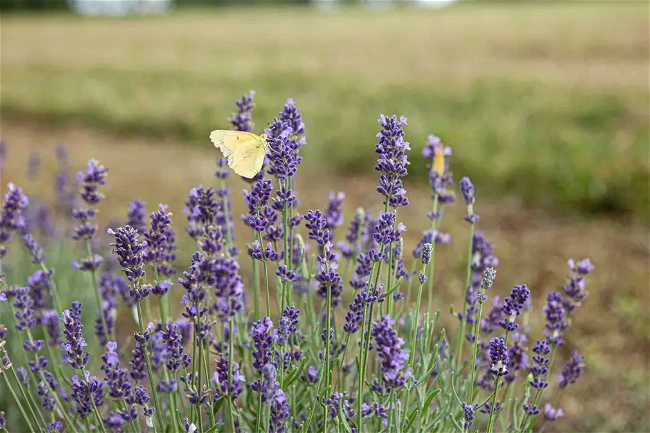
At Chesterhaven Beach Farm, we grow more than 500 organic lavender plants across the property. We focus on English lavender (Lavandula angustifolia) for its sweet, clean fragrance and its versatility in both kitchen and body care.
Growing lavender in Maryland is rewarding, but it takes patience. The plants want sun, well-drained soil, and as little fuss as possible once established. When the buds are at their fragrant peak, we harvest by cutting stems at the base in the morning, after the dew has dried.
The bundles dry upside down in a dark, air-conditioned room for one to two weeks. Once the stems snap cleanly, we strip the buds by hand and store them in airtight containers in the freezer to lock in the fragrance. From there, they go into our Lavender Flower Water, our soaps, our candles, and our body care line.
If you want a deeper dive into the plant itself, our guide to how to use lavender covers culinary, home, and beauty applications. And if you would rather skip straight to a finished product, our Petite Lavender Gift Set is the easiest way to try the whole Peace of Mind line in travel sizes.
Storage and Shelf Life
Stored in the refrigerator or a cool, dark cabinet, your lavender tonic will keep for up to six months. The witch hazel or vodka acts as a preservative, but homemade tonics are still less stable than commercially distilled hydrosols. A few signs it is time to make a fresh batch:
- The scent has gone flat or smells off
- The liquid has clouded or developed any visible film
- The color has shifted noticeably
If any of these happen, pour it out and start fresh. Always shake well before each use, since the essential oil can separate slightly between sprays.
A Note on Safety
This is for external use only. Discontinue use if you notice irritation. Avoid the eye area, and as with any new topical product, do a small patch test on the inside of your forearm before applying widely. People who are pregnant, nursing, or treating any specific skin condition may want to talk with a healthcare provider before adding new essential oils to their routine.
Made One? Show Us
If you mix up a batch, snap a photo and tag us on Instagram. We love seeing what you make with farm-grown lavender.

Lavender Tonic FAQs
What is lavender tonic used for?
Lavender tonic is a water-based spray with a light, fresh lavender scent. It works as a face mist after cleansing, a body spray after the shower, a quick hair refresher between washes, and an aromatic spritz for pillows, sheets, and rooms.
Is lavender tonic the same as lavender hydrosol?
Not quite. A true hydrosol is the water collected during steam distillation of lavender essential oil, like our Lavender Flower Water. A homemade tonic is a strong lavender tea blended with witch hazel and essential oil. Both smell of lavender and serve similar purposes, but the distillation process produces a more concentrated and shelf-stable result.
How long does homemade lavender tonic last?
Stored in the refrigerator or a cool, dark cabinet, homemade lavender tonic keeps for up to six months. The witch hazel or vodka in the recipe acts as a preservative. Discard the batch if the scent goes flat, the liquid clouds, or the color shifts.
Can I use dried lavender instead of fresh?
Yes. Use 2 tablespoons of dried lavender buds in place of the 1/2 cup of fresh buds called for in the recipe. Dried buds are more concentrated, so a smaller amount produces the same fragrance.
Do I have to use witch hazel?
The witch hazel acts as a preservative and helps the essential oil disperse evenly through the water. You can substitute vodka or 70% isopropyl alcohol if you prefer. Without one of these, the tonic will only keep for a few days in the refrigerator.
Can I make lavender tonic without essential oil?
Yes. The lavender tea base on its own carries a soft, natural scent that fades quickly. Adding essential oil deepens the fragrance and helps it last longer on skin and linens. Start with five drops if you want a lighter scent.
What kind of lavender should I use?
English lavender (Lavandula angustifolia) is the most popular choice for both fragrance and skin-friendly applications. We grow English lavender at Chesterhaven Beach Farm because of its clean, sweet scent. French and Spanish varieties have stronger camphor notes and work better in candles or cleaning sprays.
Can I buy lavender tonic instead of making it?
Yes. Our Lavender Flower Water is a steam-distilled hydrosol made from buds we grow on our Maryland farm and distill in Owings Mills. Two ingredients, ready to spritz. It is the closest commercial equivalent to a homemade tonic.