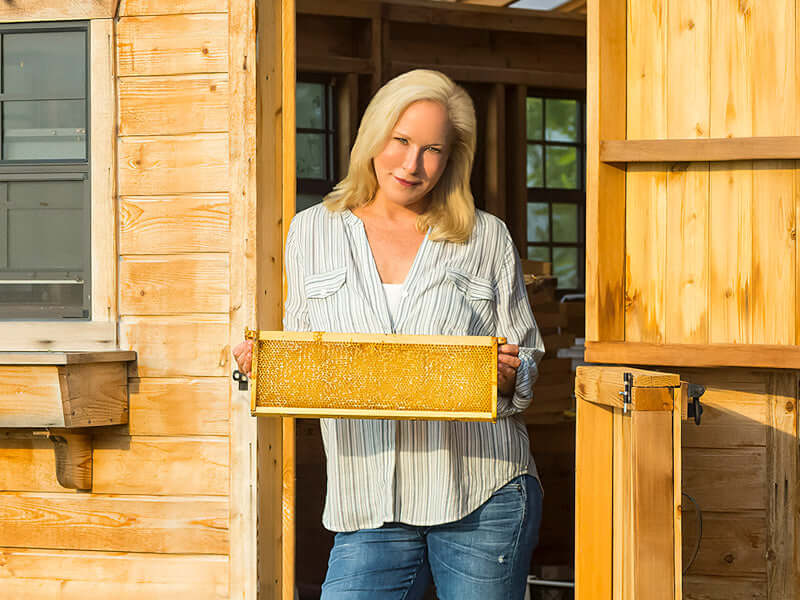


Maryland is a small state with an outsized relationship to honey bees. From the rolling farmland of the western counties to the flat, bloom-rich fields of the Eastern Shore, beekeepers here keep hives in backyards, on rooftops, and across working farms. We’ve kept bees on Chesterhaven Beach Farm for more than fifteen years, and the longer we do it, the clearer it becomes how much of Maryland’s landscape quietly runs on these insects.
This is a plain-language look at beekeeping in Maryland: why it matters to the state’s farms, what bees are up against, and the practical things anyone can do to help, whether or not you ever put on a veil.
Why Honey Bees Matter to Maryland Agriculture
Honey bees do far more than fill jars. They pollinate a long list of the fruits and vegetables grown across the state, and that pollination work translates into real economic value for Maryland farms every single year. The Maryland Department of Agriculture estimates that crops worth tens of millions of dollars in the state either require or benefit from honey bee pollination, with figures cited as high as $40 million or more depending on the source and year.
Maryland beekeepers also produce a meaningful amount of honey annually, and it comes from both rural and urban hives. City beekeeping has grown steadily, and in some cases urban hives produce as much honey per colony as their country counterparts, thanks to the variety of trees, gardens, and flowering plants packed into Maryland’s neighborhoods.
Beyond honey, beekeepers and small home-based makers turn beeswax and other hive materials into soaps, balms, and candles. It’s a quiet cottage economy that ties directly back to healthy hives. If you want to taste the flavor side of all this, our Eastern Shore Honey collection gathers the varietals our own bees and partner beekeepers produce.
Honey Bees in Maryland Are Under Pressure
Bee colonies in Maryland, like those across the country, face a hard road. Beekeepers regularly report significant winter colony losses, and long-term data shows the number of honey-producing colonies is far below where it stood in earlier decades. Several stressors stack on top of one another, and rarely is there a single cause.
Pesticides. Increased pesticide use, including products applied by homeowners on lawns and gardens, poses a risk to both managed honey bees and native bees. We cover this in more depth in our look at pesticides and bees.
Pests and pathogens. Bees contend with an unusually wide range of pests, mites, and viruses, along with Colony Collapse Disorder, a still-imperfectly-understood phenomenon in which a colony’s worker bees suddenly vanish.
Local regulations. Sometimes local officials view bees as a safety concern and move to restrict beekeeping. In practice, well-managed colonies are gentle, and responsible urban beekeeping can actually help crowd out more aggressive feral bees while boosting backyard crop pollination.
Habitat and forage loss. As land gets developed, flower-rich areas are often paved over or replaced with turf lawns that offer bees almost nothing to eat. Poor nutrition follows, and weakened colonies are more vulnerable to everything else on this list.
How to Support Beekeeping in Maryland
You don’t have to own a hive to make a difference. A few of the most useful things anyone in Maryland can do:
- Keep bees. Adding well-managed colonies supports genetic diversity and long-term hive survival. The best starting point is a short course through a local club. The Maryland State Beekeepers Association maintains a directory of clubs across the state.
- Speak up for beekeeping. Let local representatives know that keeping beekeeping lawful and accessible matters to you and your community.
- Follow pesticide labels, or skip them. Read and follow every label, and where you can, avoid spraying altogether or lean on Integrated Pest Management instead.
- Buy local honey. Supporting Maryland and regional beekeepers directly funds the people doing the hard work of keeping colonies alive.
- Plant for pollinators. Fill your yard with non-invasive flowering plants that bloom across the seasons. Our guide to building a backyard bee habitat walks through exactly how.
Bees Give Maryland More Than Honey and Crops
The dollar value of pollination is only part of the story. When honey bees pollinate native trees and wild vegetation, they help drive a whole chain of ecological benefits that are hard to put a price tag on. If you’ve never thought through how the whole system fits together, our explainer on what pollination actually is is a good next read.
Healthy pollinator activity supports:
- Food and habitat for wildlife
- Improved water filtration
- Carbon dioxide drawn out of the atmosphere by thriving vegetation
- Better flood and erosion control
- Greater biodiversity
- More sustainable urban and rural landscapes
That’s the part that keeps us going. Every jar of Maryland honey sits on top of an ecosystem that bees are quietly holding together. Curious which varietals come from where? Our complete guide to types of honey breaks down flavors and floral sources across the board.
Caring for this land and these communities is at the core of who we are. It’s why we created Roots & Wings, our giving initiative that connects every purchase to something that matters. See how we give back.
FAQs About Beekeeping in Maryland: Why It Matters and How to Help
Is beekeeping legal in Maryland?
Yes. Beekeeping is legal across Maryland, though some local jurisdictions have their own rules about hive placement, setbacks, or registration. Maryland also requires beekeepers to register their colonies with the state. Checking with your county and a local beekeeping club before you start is the simplest way to stay compliant.
How do I start beekeeping in Maryland?
The most reliable path is to take a short beginner course through a local beekeeping club. The Maryland State Beekeepers Association keeps a directory of clubs around the state, and most offer hands-on classes that walk new beekeepers through equipment, hive management, and the seasonal rhythm of the bees.
How much honey do Maryland beekeepers produce?
Collectively, Maryland beekeepers produce a substantial amount of honey each year from both rural and urban hives. Yields per colony vary widely based on weather, forage, and management, but city hives can rival or even exceed rural ones because of the variety of garden and street-tree blooms available.
Why are bee colonies declining in Maryland?
It’s rarely one thing. Pesticide exposure, pests and pathogens like mites and viruses, Colony Collapse Disorder, restrictive local regulations, and the loss of flower-rich forage to development all combine to put pressure on colonies and make winter survival harder.
How can I help bees if I don’t want to keep hives?
Plenty of options. Plant non-invasive, season-spanning flowers for pollinators, follow or avoid pesticides, buy honey from local beekeepers, and support policies that keep beekeeping accessible. Every one of those steps helps colonies in your area.