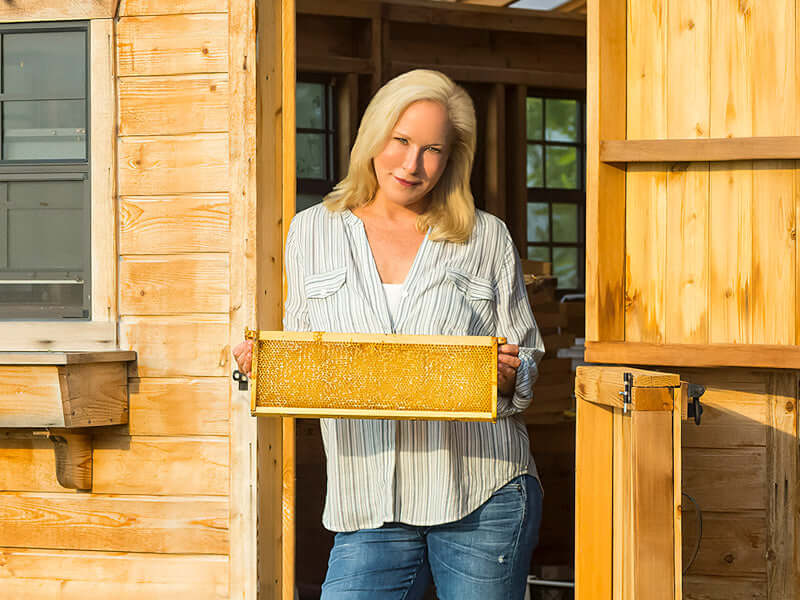


The Spring Everything Came Together
Every beekeeper has a season they point back to, the one where the work finally clicked. For me, that was the spring of 2016. For the first time ever, Stephanie and I were able to work with Ryan, a very experienced beekeeper, on weekly visits to monitor the progress of every hive in our apiary at Chesterhaven Beach Farm.
We started in March. It rained. Then it rained some more. Despite lots and lots of rain, we juggled our schedules and met on the farm week after week to open each individual hive and see how the bees were doing.

Why Weekly Spring Hive Inspections Matter
Spring is when a colony grows fastest, and it’s also when small problems become big ones if nobody is watching. At each visit, we checked for signs of disease and confirmed the queen was laying eggs. A strong, steady brood pattern in spring is the clearest signal that a hive is on track for a good honey season.
Those weekly checks are also where a beekeeper’s eye gets trained. I can say with great confidence that 2016 was the year things really came together for me as a beekeeper. Learning alongside Ryan, and sharing it all with Stephanie, our lead maker at the Honey House, who wears a persistent smile every single time we’re in the field, made the work feel less like a chore and more like a rhythm. If you’re curious what opening a hive for the first time is like, I wrote about my first bee inspection years ago, and the nerves never fully go away. They just turn into focus.

Making Room: Giving the Bees Space to Grow
One of the most important jobs we did each week was “making room.” That means adding empty frames of drawn comb, comb the bees have already built out, so the queen has plenty of space to lay eggs and the colony can keep growing. A crowded hive is a hive that starts thinking about leaving, so giving bees room at the right moment keeps the colony home and productive. Bees are surprisingly particular about the space inside their hive; our post on bee space explains just how precise they are.
Harvest Day: Heavy, Sticky, and Worth It
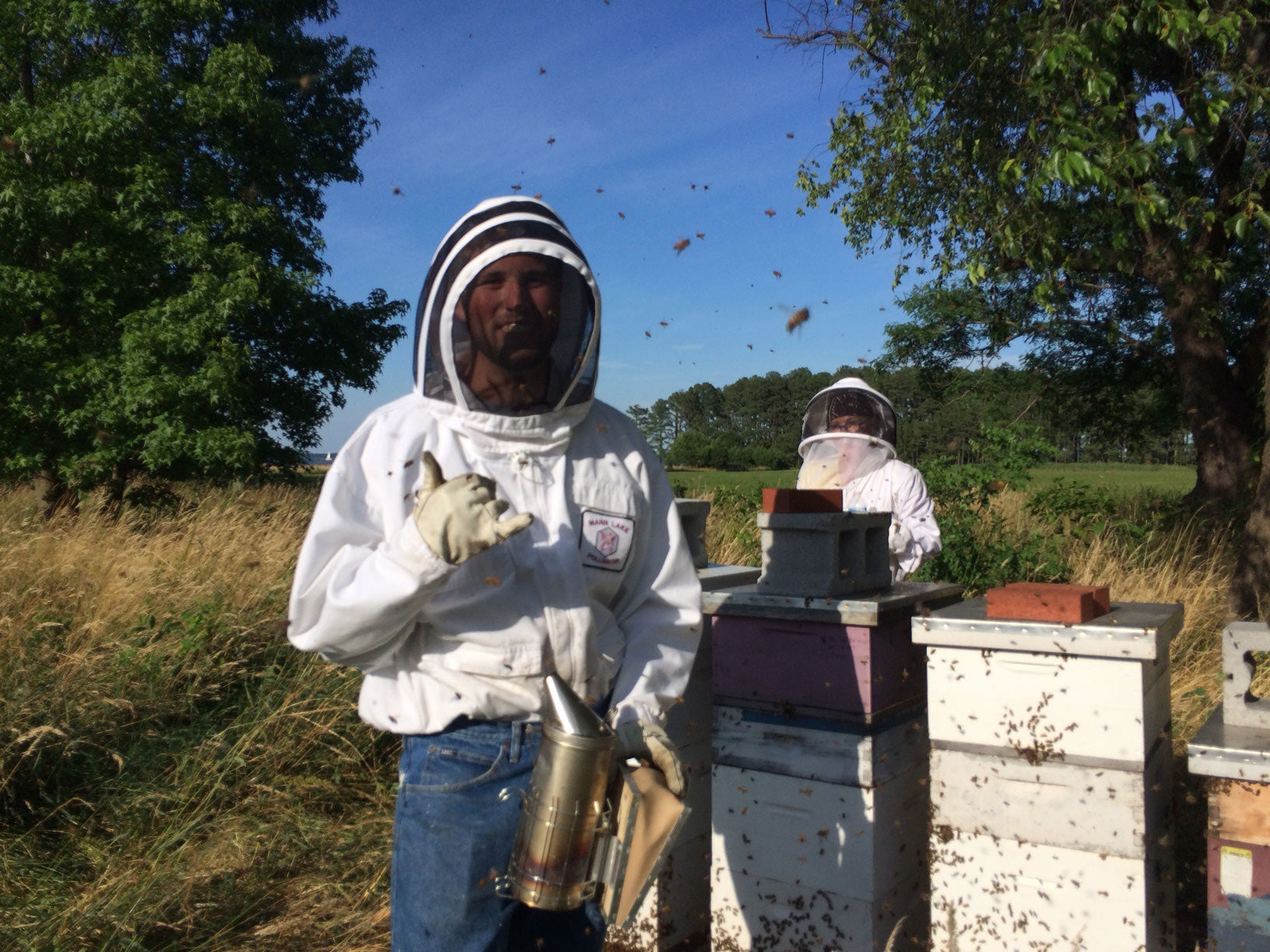
The biggest adventure of the season came down to timing the harvest, and then pulling it off shorthanded. A nasty illness kept Ryan from joining us on harvest day. We did it anyway. It was difficult. It was heavy. It was hard to do. And we did it, with help from a new team member who is certainly not new to me.
My comrade Kirsten Elstner, director of VisionWorkshops, tipped me off that her son Jack was looking for side work that summer. She did not realize harvest was starting that very afternoon, and that poor Jack was about to be initiated as lead lifter in the apiary. It helps that he stands well over six feet tall, strong, with a positive attitude and a willingness to help that seems almost foreign in the other 18-year-olds I’ve met. If you want the full step-by-step of what harvest day involves, from capped frames to extraction, our complete guide to honey harvesting walks through the whole process.
1,000 Pounds of Spring Honey
We’ve been busy bees since harvest, and we’re proud to report that despite all that rain during blossom time, the season yielded about 1,000 pounds of honey. Rain during bloom is a real threat to a honey crop, since bees can’t forage on wet days, so a yield like that felt like a gift.
Sweet, right?!
Every jar of our Spring Honey comes from a season like this one: weekly visits, heavy lifting, and a short bloom window that makes the flavor what it is. If you’re wondering what sets it apart from other jars, start with what spring honey is, then explore how to use spring honey in your kitchen. Try it, you’ll like it.
Caring for this land and these communities is at the core of who we are. It’s why we created Roots & Wings, our giving initiative that connects every purchase to something that matters. See how we give back.

FAQs About Spring Honey Harvest: A Season in Our Apiary
When is spring honey harvested?
At Chesterhaven Beach Farm, spring honey is harvested in early summer, once the spring bloom window closes and the bees have capped the honey in the frames. The exact timing shifts from year to year with the weather and the bloom.
How much honey did the 2016 spring harvest yield?
The 2016 spring harvest yielded about 1,000 pounds of honey, despite an unusually rainy spring that limited the days bees could forage during bloom.
What does “making room” in a beehive mean?
Making room means adding empty frames of drawn comb to a hive during spring buildup. It gives the queen space to keep laying eggs and the colony space to grow, which helps keep a fast-growing hive from becoming overcrowded.
Why do beekeepers inspect hives weekly in spring?
Colonies grow quickly in spring, so weekly inspections let beekeepers catch signs of disease early, confirm the queen is laying, and add space before the hive gets crowded. Consistent spring checks set up the colony, and the beekeeper, for a strong harvest.