

Have you ever paused in your garden, watching a bee tumble clumsily into a flower, and realized you were witnessing the engine of our entire food system at work?
It’s easy to overlook them
They are small, fuzzy, and often just background noise to our busy lives. But if you strip away the modern conveniences of grocery stores and farmer's markets, you are left with a simple, stark reality: we need them far more than they need us.
The conversation around honeybees has shifted dramatically in the few decades. What used to be a niche topic for biologists and farmers has buzzed its way into our collective consciousness. With the emergence of Colony Collapse Disorder, the world woke up to a frightening possibility—a silent spring where the hum of the hive has gone quiet.
This isn’t just about saving an insect; it’s about preserving the flavors, colors, and abundance that make our lives vibrant. From the crisp apple in your autumn pie to the cotton sheets you sleep on, honeybees are the silent partners in our daily comfort.

The Invisible Workforce of the Food Chain
When we talk about bees, we often think of honey first. And who can blame us? That golden, drippy sweetness is nature’s perfect treat. But honey is really just the delicious bonus of a much more critical job: pollination.
Think about your last grocery run. The vibrant pyramids of lemons, the lush stacks of avocados, the sprawling bin of almonds. One out of every three bites of food we eat depends on pollinators. Without honeybees, our plates would look drastically different—and much emptier.
Pollination is the magic that happens when a bee visits a flower to collect nectar and pollen. In doing so, she transfers pollen from the male part of the flower to the female part, fertilizing the plant so it can grow fruit and seeds. It sounds simple, almost mechanical, but it is a delicate dance that sustains global agriculture. Honey bees play a critical role in pollinating many of the foods we enjoy, from almonds and apples to growing strawberries organically in backyard gardens and small farms.

Beyond the Hive: Biodiversity and Beauty
It’s not just about human food, either. Honeybees support the wildflowers that beautify our landscapes and the plants that feed wildlife. They are the guardians of biodiversity.
When a bee pollinates a clover patch, she isn’t just making seeds for next year; she’s ensuring there’s fodder for livestock and wildlife. When she visits a berry bush, she’s helping create food for birds and bears. The ripple effect of a single healthy hive is immeasurable, touching corners of the ecosystem we might never see.

The Threats Buzzing at the Door
Despite their importance, honeybees are in trouble. You might have heard the term "Colony Collapse Disorder," but the threats are often a complex cocktail of stressors that make survival difficult for these resilient creatures.
The Impact of Modern Life
- Pesticides: Chemicals meant to protect crops often harm the very insects needed to pollinate them. Even "safe" levels can confuse bees, making it hard for them to navigate back to the hive.
- Habitat Loss: As we pave over meadows to build strip malls and manicured lawns, we replace diverse food sources with food deserts for bees. A perfectly green, weed-free lawn offers zero nutrition to a hungry pollinator.
- Disease and Pests: The Varroa mite, a tiny parasite, has decimated hives worldwide, weakening bees and spreading viruses.
These aren't just problems for beekeepers; they are warning signs for all of us. A struggling bee population is a symptom of an environment that is out of balance.

Why "Local" Is the Sweetest Solution
So, where do you fit into this story? You might not be ready to don a veil and light a smoker (though we’d love it if you did!), but you have immense power in your pantry.
Buying local honey is one of the most effective, delicious ways to take a stand.
Supporting the Keepers
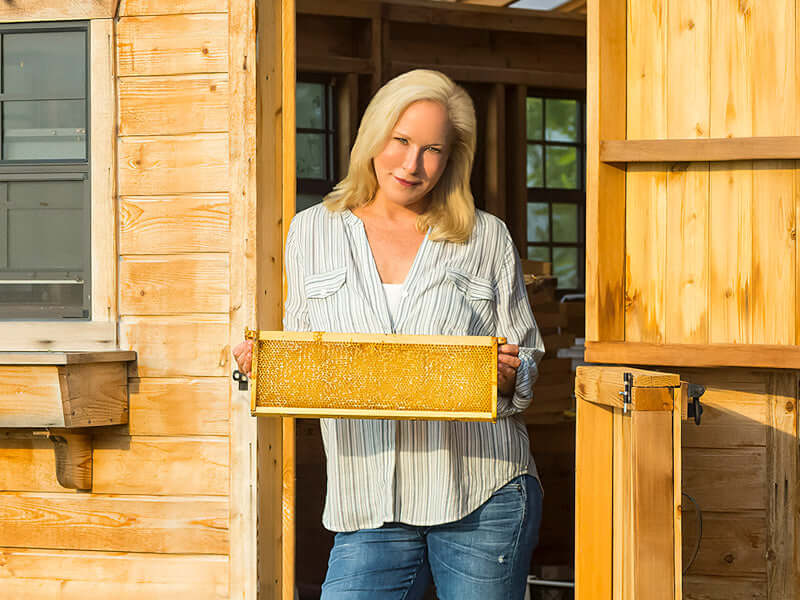
Beekeeping is a labor of love, often requiring long hours, heavy lifting, and heartbreaking setbacks. When you buy honey from a local source—whether it's a neighbor down the road or a small business like ours—you are directly funding the care of those hives. You are helping pay for the equipment, the treatments to keep mites at bay, and the planting a pollinator garden.
In most cases, local beekeepers are the frontline defenders of the honeybee. They monitor hive health, split colonies to prevent overcrowding, and advocate for safer environmental practices in their communities.
 The Flavor of Your Backyard
Beyond the altruism, there is the taste. Mass-produced honey is often blended from thousands of different sources, heated to high temperatures (pasteurized), and ultra-filtered. This process strips away the pollen, the enzymes, and the nuance, leaving you with a generic sweet syrup.
Local, raw honey is a time capsule of your specific region. It captures the floral profile of the season—the light, floral notes of spring locust trees or the rich, dark molasses flavor of autumn goldenrod. Eating local honey is a sensory experience that connects you to the land you live on. It is pure, unaltered, and exactly as the bees intended.
The Myth of "Perfect" Food
For decades, we’ve been sold a lie about what food should look like. We’ve been trained to want perfectly round apples and corn without a single blemish. To achieve this, industrial agriculture has relied heavily on synthetics and monocultures that are hostile to bees.
But there is a movement returning to the roots of real food. We are seeing a shift away from the "glutamates in disguise" and artificial additives that trick our palates but harm our bodies.
Real food—like Honeycomb or unadulterated honey—doesn't need to be engineered. It is perfect in its imperfection. It carries the natural traces of pollen and propolis that give each varietal its character. By choosing these products, you are voting for a food system that values health over shelf stability.

How You Can Be a Bee Hero Today
You don’t need to own acres of land to make a difference. The movement to save the bees is built on small, individual actions that add up to a massive change.
Here is how you can help, starting right now:
1. Curate a Pollinator Garden
Transform a corner of your yard or even a few pots on your balcony into a bee sanctuary. Plant native wildflowers that bloom at different times of the year. Bees need food from early spring (think crocuses and dandelions) through late fall (asters and goldenrod). Avoid chemical fertilizers and pesticides—let your garden get a little wild.
2. Shop Small and Local
Skip the plastic bear at the supermarket. Seek out local beekeepers at farmer's markets or specialized boutiques. Ask them about their bees. When you buy their honey, beeswax candles, or hive-based skincare, you are keeping them in business and keeping their bees flying.
3. Sponsor a Hive
If you want to support bees but can’t host them, look for "Sponsor a Hive" programs. Many apiaries allow you to adopt a colony for a season. Your contribution helps cover the cost of maintaining the hive, and you often get a share of the harvest in return!
4. Become an Advocate
Educate your friends and family. Share the wonder of bees with the next generation. If you have a neighborhood association, advocate for reduced spraying and more pollinator-friendly landscaping in common areas.
5. Leave the Leaves
In the fall, resist the urge to rake every single leaf. Many pollinators, including queen bumblebees, overwinter in leaf litter. Leaving a little "mess" provides a crucial winter home for these beneficial insects.
A Sweet Ending
The next time you stir a spoonful of honey into your tea or light a beeswax candle for a cozy evening in, take a moment to appreciate the journey behind it. It represents millions of miles flown, millions of flowers visited, and a delicate connection between the insect world and our own.
By making mindful choices—choosing local, planting native, and living seasonally—you aren't just buying a product. You are joining a movement. You are becoming a steward of the environment and a guardian of the tiny, buzzing creatures that keep our world blooming.
Let’s make sure the hum of the hive never fades away.

Ready to taste the difference? Explore our collection of Eastern Shore Honey and taste the unique flora of our local sanctuary.
Caring for this land and these communities is at the core of who we are. It's why we created Roots & Wings — our giving initiative that connects every purchase to something that matters. See how we give back.
Published 2-17-2013
Updated 2-22-2026