



Honey has sat on human pantry shelves for thousands of years. Ancient jars pulled from Egyptian tombs were reportedly still edible after three millennia. So when you notice your jar looking a little cloudy or textured and wonder whether honey goes bad, the short answer is: no, not really. Stored properly, raw honey stays safe to eat essentially forever. The reasons why are a small miracle of food science, and the few exceptions are worth knowing.

This guide walks through why honey is so remarkably shelf-stable, the rare conditions that can actually cause it to turn, how to store it so that never happens, and what changes in color or texture actually mean (spoiler: usually nothing).
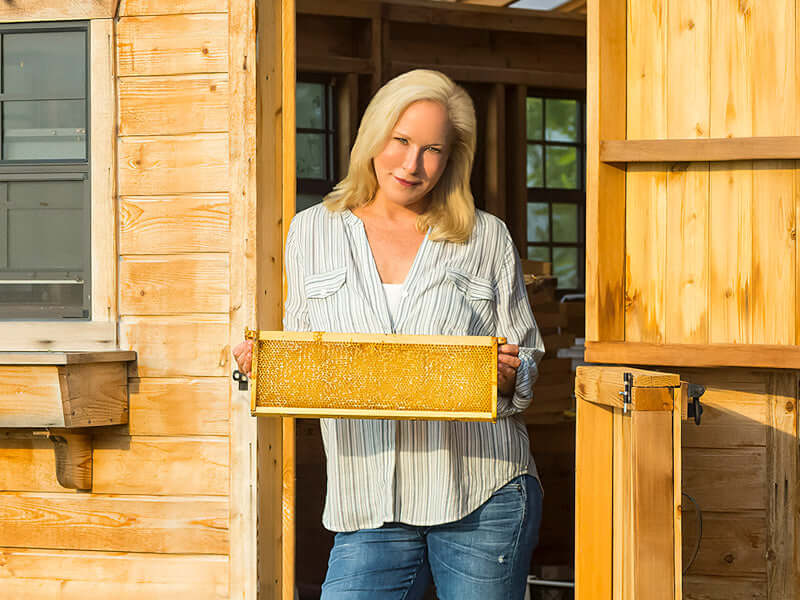
You probably know what honeycomb is, but have you ever tasted it straight from the comb?
Quick Answers About Honey's Shelf Life
- Honey's low water content, high sugar concentration, and natural acidity create an environment where spoilage organisms cannot survive, which is why properly stored honey lasts indefinitely.
- Keep honey in a sealed glass jar at room temperature, between roughly 50°F and 70°F, away from direct sunlight and heat sources.
- Crystallization, darkening, and subtle flavor shifts over time are natural and do not indicate spoilage. Fermentation, mold, or a sour smell are the rare signs of honey that's truly gone.

Why Honey Doesn't Go Bad
Most foods spoil because bacteria, yeasts, or molds find them hospitable and start multiplying. Honey is the opposite of hospitable. Three qualities work together to keep it that way.
Low moisture. Finished honey contains roughly 17 to 18 percent water — well below the threshold where most spoilage organisms can grow. Water is what microbes need to survive, and honey simply does not offer enough of it.
High sugar concentration. Honey is a supersaturated sugar solution, meaning it holds more sugar than water would normally dissolve. That concentration pulls moisture out of any microbe that lands in it through osmosis, which is the same reason sugar has been used to preserve food for centuries.
Natural acidity. Honey's pH typically sits between 3.2 and 4.5 — acidic enough to discourage most bacteria from establishing themselves.
There's a fourth quality at play, too. Bees add an enzyme called glucose oxidase during honey production, which slowly converts a small amount of glucose into gluconic acid and hydrogen peroxide. The hydrogen peroxide is present in tiny, stable amounts — enough to help keep the honey itself pristine in the jar. Between the low water, the sugar, the acidity, and the enzyme activity, honey has been engineered by bees (and evolution) to resist spoilage longer than almost anything else in your kitchen.
If you want the deeper story on how honey gets made and why its composition is what it is, our overview of what honey actually is is a good companion read.

How Long Does Honey Last?
Properly stored, honey lasts indefinitely. That's not an exaggeration — archaeologists have found honey in sealed vessels in ancient Egyptian tombs that was still safe to taste. The "best by" date on a jar of honey is a USDA inventory and quality indicator, not an expiration date in the way the term applies to milk or bread.
That said, honey is a living, natural product, and it does change over time:
- Color may deepen as the honey slowly oxidizes and undergoes the Maillard reaction, the same browning chemistry that happens when you sear a steak or toast bread. This changes appearance and sometimes flavor, not safety.
- Flavor may mellow or intensify in different varietals at different rates. Older honey often tastes a touch more concentrated or caramel-like.
- Texture may thicken or crystallize. Both are normal.
None of these changes mean the honey has expired. They just mean time has passed.

Is Crystallized Honey Still Good?
Yes — and it's actually a sign you bought something real. Crystallization happens when glucose molecules in raw honey slowly bond together and form small solid crystals, leaving the fructose still liquid. Some varietals crystallize fast (our Sweet Clover and Wildflower can set up within a few months), others stay liquid for years (Tupelo and Sourwood are notoriously resistant).
Most grocery-store honey is ultra-filtered and pasteurized specifically to prevent crystallization, because crystallized honey looks "off" to shoppers who don't know any better. Raw honey keeps the pollen and particles that act as natural seed points for crystals, so it sets up the way real honey does.
To bring crystallized honey back to pourable, set the glass jar into a bowl of warm — not boiling — water for 15 to 20 minutes and stir gently. Keep the temperature below 110°F so you don't cook off the delicate flavors and enzymes. If you want the full science behind why this happens, our guide on why honey crystallizes covers it in depth. Or lean in and make creamed honey out of it — it's a beautiful use of a crystallized batch.
When Honey Can Actually Go Bad
Honey's natural defenses only hold up when its environment stays stable. The rare situations where honey does turn almost always trace back to one thing: water getting in where it shouldn't.
Fermentation
If honey's water content climbs above about 19 to 20 percent — whether from humidity, a wet spoon dipped into the jar, or honey harvested before the bees had fully capped it — wild yeasts already present can start fermenting the sugars. You'll notice bubbles, a slightly boozy or sour smell, and sometimes a fizzy taste. Fermented honey isn't dangerous, but it's no longer the honey you bought. Some people repurpose it for baking or for making mead; others toss it.
Mold
True mold growth in honey is genuinely rare and almost always means water contamination plus time. If you see fuzzy patches on the surface, discard the jar.
Off smells or odd taste
Honey sitting near strong-smelling items (onions, garlic, cleaning supplies) can absorb those odors through an improperly sealed lid. If the honey smells or tastes genuinely wrong — not just "stronger than before" — trust your senses.
Notice what's not on this list: color darkening, crystallization, and texture changes. Those are all normal.
How to Store Honey So It Lasts
The whole point of honey's remarkable shelf life is that you barely have to do anything to protect it. A few small habits keep it perfect indefinitely.
Use a sealed glass jar. Glass is neutral — it doesn't react with the honey, absorb flavors, or let in moisture. Food-grade plastic is fine if that's what your honey came in. Avoid storing honey in metal containers long-term, as certain metals can react with honey's natural acidity over time.
Keep it at room temperature. The ideal range sits between 50°F and 70°F — a kitchen cabinet or pantry shelf works perfectly. Don't refrigerate honey; cold actually speeds up crystallization. If you're curious about the upper limit, our guide on what temperature is too hot for honey walks through exactly where heat starts to degrade quality.
Keep the lid tight. The number-one way honey gets into trouble is water sneaking in — through humid air, steam from a nearby stove, or a wet spoon. Close the jar promptly and make sure the lid seals.
Use dry utensils only. A wet spoon reintroduces water and can create localized fermentation around the dipped spot, even if the rest of the jar is fine.
Keep it out of direct sunlight. UV exposure can darken honey and slowly degrade its flavor compounds. A cabinet is always better than a sunny windowsill, even if the sunny windowsill looks nicer.
Does Raw Honey Go Bad Faster Than Processed Honey?
No — if anything, it's the opposite story that matters more. Raw honey is minimally filtered and unheated, which means all of its natural preservation machinery is intact: the enzymes, the pollen, the full acidity, the original water content. Processed commercial honey is usually pasteurized (heated) and ultra-filtered, which removes particulates but can also strip enzymes that contribute to honey's natural stability. Both last a very long time. Raw honey just arrives at your door the way bees actually made it.
If you want the fuller breakdown of what changes when honey is processed versus when it isn't, we wrote about raw honey vs. regular honey in detail.
What About "Expired" Honey?
If the jar in your pantry is past its printed best-by date by a year, five years, or a decade — and it's been stored reasonably — it's almost certainly still perfectly good. Check for the three real signs of spoilage (fermentation smell, visible mold, genuinely off taste). If none of those are present, it's honey.
Crystallized or aged honey has plenty of uses beyond a toast drizzle. It works beautifully stirred into hot tea, whisked into marinades, baked into cakes and breads, or whipped into dressings. A thick, set jar also makes an ideal base if you want to try turning it into creamed honey.

The Bottom Line
Does honey go bad? Practically speaking, no. Real, raw honey stored in a sealed glass jar at room temperature is one of the most stable foods in your kitchen. It may darken, crystallize, or shift subtly in flavor over time, but those are signs of a living natural product aging — not spoiling. The rare exceptions come down to water contamination, and those are easy to avoid with basic storage.
If you're just starting to explore what varietal honey really tastes like, our Raw Eastern Shore Honey collection is a good place to start. Every jar is minimally filtered, never pasteurized, and made to last — which, as you now know, it absolutely will.
Frequently Asked Questions
Does honey ever go bad?
Not under normal storage conditions. Honey's low water content, high sugar concentration, and natural acidity prevent spoilage organisms from growing, so a properly stored jar stays safe to eat indefinitely. The rare exceptions involve water contamination causing fermentation, or visible mold from long-term moisture exposure.
Does honey expire if unopened?
No. An unopened, sealed jar of honey stored at room temperature will remain safe essentially forever. The best-by date printed on commercial honey jars reflects inventory and quality guidelines, not a point where the honey becomes unsafe.
How long does raw honey last?
Raw honey lasts indefinitely when sealed and kept at room temperature between 50°F and 70°F. Over years, it may darken in color, crystallize, or shift subtly in flavor, but none of those changes mean it has spoiled.
How can you tell if honey has gone bad?
Genuine spoilage is rare and easy to spot: a sour or boozy smell suggesting fermentation, visible fuzzy mold on the surface, or a distinctly off flavor. Crystallization, a darker color, or slightly stronger taste are all normal changes and not signs that honey has turned.
Is crystallized honey still safe to eat?
Yes. Crystallization is a natural process in which glucose separates from water and forms small crystals. It is actually a reliable indicator that the honey is raw and unpasteurized. To return it to a liquid pour, place the jar in warm water under 110°F and stir gently.
Why doesn't honey go bad like other foods?
Three factors work together: moisture content below 18 percent, which deprives microbes of the water they need to grow; a sugar concentration so high it draws water out of any cells that land in it; and a natural pH of about 3.2 to 4.5 that most bacteria cannot tolerate. An enzyme called glucose oxidase also slowly produces small amounts of hydrogen peroxide, which contributes to the honey's natural stability.
Should I refrigerate honey?
No. Refrigeration actually speeds up crystallization and makes the honey harder to use. Store honey in a sealed glass jar at room temperature, in a cool dry cabinet or pantry, away from direct sunlight and heat sources.
Can you eat 1,000-year-old honey?
Technically, yes — archaeologists have found ancient sealed honey in tombs that was still edible after thousands of years. You are unlikely to encounter honey that old in practice, but the principle is the same for the 5-year-old jar at the back of your pantry: if it looks and smells right, it is almost certainly fine.