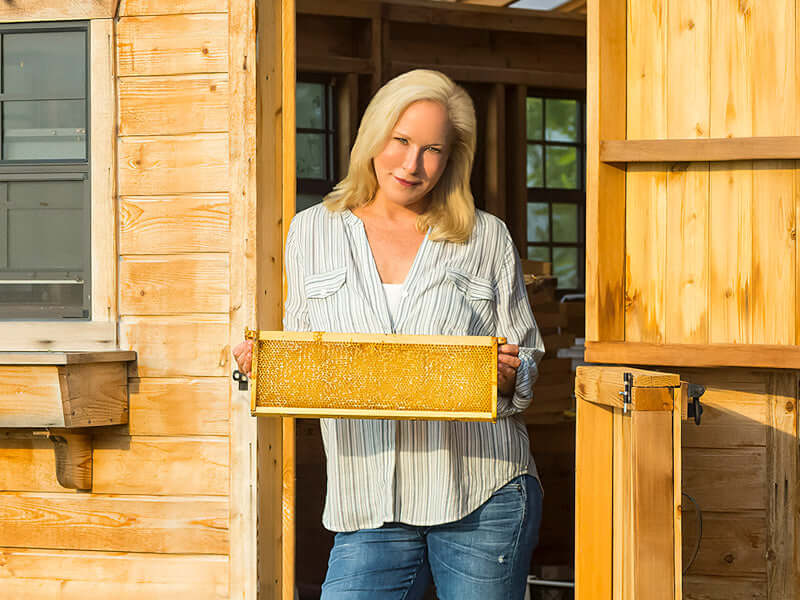


Sourwood and tupelo are the two honeys that come up most often when people start getting serious about minimally filtered varietal honey. Both are rare. Both resist crystallization. Both command higher prices than wildflower or clover. And both have devoted followings among people who care about where their food comes from and what it actually tastes like. But they are not interchangeable — the two honeys come from entirely different ecosystems, bloom at different times, and taste nothing alike. Here is how they compare.

Where They Come From
Tupelo honey comes from white tupelo gum trees that grow along the protected wetlands of the Apalachicola River Basin in the Florida panhandle. This is a specific, ecologically distinct ecosystem — a river basin swamp that creates exactly the conditions tupelo trees need to thrive. The bloom happens in spring, typically late April into May, and lasts only a few weeks. Beekeepers position their hives along the river by boat, timing the move to the bloom with precision, because any nectar collected from other sources before or after dilutes the monofloral character of the honey.
Sourwood honey comes from sourwood trees (Oxydendrum arboreum) growing in the Appalachian highlands — primarily North Georgia and western North Carolina. Where tupelo is a swamp ecosystem, sourwood is a mountain forest ecosystem. The bloom happens in mid-summer, typically July, and also lasts roughly three weeks. Beekeepers work the mountain terrain to position hives near sourwood groves during that narrow window. Both honeys require the beekeeper to be in the right place at exactly the right time — miss the bloom and there is no honey that season.

Flavor
This is where the two honeys part ways most clearly.
Tupelo is light, buttery, and delicate — a honey that seems to melt on the tongue rather than sit on it. The sweetness is clean and mild, with a soft floral quality and almost no aftertaste. It is the honey people reach for when they want something that enhances without asserting itself — stirred into tea, drizzled over fresh fruit, paired with a creamy brie where the honey should whisper rather than speak.
Sourwood is more complex. It opens buttery and smooth, similar to tupelo in texture, but the flavor develops into something distinct — a burnt-caramel finish with subtle spice notes, most often described as faint anise or clove. The aftertaste lingers in a way tupelo's doesn't. It's a honey with more presence, better suited to aged cheeses, strong coffee, or applications where you want the honey to be noticed. People who try sourwood expecting something like clover or wildflower are almost always surprised. That matchup gets its own full breakdown in our sourwood honey vs. wildflower honey comparison.
Neither is better — they serve different purposes. Tupelo is the more versatile, approachable honey. Sourwood is the one with a point of view.
Crystallization
Both honeys resist crystallization, but for the same underlying reason: both have a high fructose-to-glucose ratio, and fructose is what stays liquid. Tupelo's ratio is notably high — measured at approximately 1.50:1 fructose to glucose — which is why tupelo honey is famous for essentially never crystallizing. A jar stored properly at room temperature can stay pourable for years. Sourwood's ratio is also high relative to most minimally filtered honeys, though slightly less extreme than tupelo's, which is why sourwood resists crystallization for months to over a year but may eventually set if conditions are right. In practical terms, both honeys behave well in the jar over time — no digging with a spoon, no warming under hot water for most of their shelf life.

Rarity and Price
Both are genuinely rare, and the rarity is structural in both cases — not a marketing position. Tupelo trees grow in a defined river basin ecosystem that cannot be replicated elsewhere. Sourwood trees grow only in a specific Appalachian band. Both bloom for three to four weeks per year. Both require precise timing from beekeepers working difficult terrain. Neither is a honey that can be scaled up by planting more trees or expanding production acreage in a meaningful way.
Both are priced accordingly, and at Bee Inspired both carry the Honey Royale designation — reserved for honeys we source in limited quantities with no guarantee of consistent restocking. When a batch is gone, the next one depends on the following year's bloom.
Which One Should You Try?
If you are new to varietal honey and want something immediately approachable, start with tupelo. The flavor is crowd-pleasing in the best sense — distinct enough to be interesting, gentle enough to work in almost any context. If you already know you like honey and want something that will genuinely surprise you, try sourwood. The caramel-spice complexity is unlike anything else in the honey world. If you want to understand what minimally filtered American monofloral honey can taste like at its best, try both — they represent two entirely different ecosystems and two entirely different flavor outcomes from the same basic process of bees visiting flowers.
You can shop our minimally filtered sourwood honey and our minimally filtered tupelo honey directly — both are in stock in limited quantities. For a deeper look at sourwood specifically, our guide to what sourwood honey is covers the origin, flavor, and what to look for when buying.


FAQs About Sourwood Honey vs. Tupelo Honey
Which is better, sourwood or tupelo honey?
Neither is objectively better — they serve different purposes. Tupelo is milder and more versatile, working well in almost any context where you want honey without a strong flavor statement. Sourwood has more complexity and presence, with a caramel-spice finish that holds its own against bold cheeses, strong coffee, and savory applications. If you want approachable, start with tupelo. If you want something that will genuinely surprise you, start with sourwood.
Do sourwood and tupelo honey both not crystallize?
Both resist crystallization significantly longer than most minimally filtered honeys, but tupelo has the edge. Tupelo’s fructose-to-glucose ratio, approximately 1.50:1, is high enough that it essentially never crystallizes under normal storage conditions. Sourwood’s ratio is also high, keeping it liquid for months to over a year, but it may eventually crystallize if stored in cool conditions for long enough. If it does, a warm water bath brings it back.
Are sourwood and tupelo honey both minimally filtered?
Our versions of both are minimally filtered, gently strained to remove large particles but otherwise left as the bees made them. Neither is heat-processed.
Why are sourwood and tupelo honey so expensive?
Both honeys are genuinely rare in a structural way — not as a marketing position. Each comes from trees that grow in a limited geographic range, bloom for three to four weeks per year, and require precise timing from beekeepers working difficult terrain. Neither can be scaled up in any meaningful way. The price reflects the harvest difficulty, limited supply, and the fact that a poor bloom year means no honey from that source until the following season.
Can you use sourwood and tupelo honey the same way in cooking?
For most applications, yes — both pour well, both dissolve easily, and both work as sweeteners in tea, glazes, dressings, and baked goods. Where they differ is in flavor contribution. Tupelo's mildness makes it nearly invisible in complex recipes, which is useful when you want sweetness without honey flavor. Sourwood's caramel-spice notes will register in finished dishes, which is useful when you want the honey to be part of the flavor profile rather than just the sweetener.
Are both sourwood and tupelo honey Kosher certified?
Yes. Both our Sourwood Honey and Tupelo Honey are Star K Kosher certified.