



There's something genuinely satisfying about a skincare routine you can build from your kitchen pantry. A honey and cinnamon face mask takes two ingredients most people already own and turns them into a warming, fragrant treatment that leaves skin looking refreshed and feeling soft. It takes about five minutes to mix, a few more to apply, and the results speak for themselves. Here's everything you need to know to make it well.
What Is a Honey and Cinnamon Face Mask?
A honey and cinnamon face mask is exactly what it sounds like: raw honey and ground cinnamon blended into a thick paste and applied to clean skin. The two ingredients have been used together in traditional beauty rituals across cultures for centuries, valued for the way they complement each other in texture and sensation. Honey is thick, sticky, and deeply moisturizing. Cinnamon is finely grained, lightly warming, and brings a natural flush to the skin's surface. Together, they create a mask that's easy to make, easy to rinse, and deeply satisfying to use.
Unlike many commercial masks that rely on preservatives and synthetic emulsifiers, this recipe is made fresh each time, so you know exactly what you're putting on your face. For anyone who prefers a cleaner, more ingredient-forward approach to skincare, this mask is a natural fit.

Why These Two Ingredients Work Well Together
The Role of Raw Honey
Honey is a natural humectant, meaning it draws moisture toward itself and helps hold it close to the surface of the skin. When applied topically, it creates a softening, conditioning effect that leaves skin feeling plumper and looking more radiant after use. Raw honey, in particular, retains the natural enzymes, pollen traces, and beneficial compounds that pasteurization removes, making it the preferred choice for DIY skincare applications.
The texture of raw honey is also ideal for a face mask. It clings well, doesn't drip excessively when mixed properly with cinnamon, and rinses cleanly from the skin without leaving a heavy residue. For this recipe, we recommend using one of our raw Eastern Shore honey varietals. Our honey is raw and minimally filtered, which means the natural enzymes stay intact, and the flavors and properties that make each varietal unique are fully preserved. A light, floral variety works beautifully in this mask for a delicate experience, while a darker varietal like our Buckwheat Honey brings deeper richness and a more robust sensory quality.

What Cinnamon Brings to the Mix
Ground cinnamon is the active partner in this mask. It carries a natural warming quality that, when applied to skin, creates a gentle flush of color and a sense of circulation at the surface. This is the sensation you may notice shortly after applying the mask, a mild tingle or warmth that's completely normal and part of what makes the mask feel effective. Cinnamon also acts as a light natural astringent, leaving pores looking tighter and the skin's overall texture feeling smoother after the mask is rinsed away.
One important note: cinnamon is potent, and a little goes a long way. The ratio in this recipe, one teaspoon of cinnamon to one to two tablespoons of honey, keeps the cinnamon concentration comfortable for most skin types. If your skin tends to be sensitive, start on the lower end and do a patch test first. More on that in the instructions below.

How to Make a Honey and Cinnamon Face Mask
This recipe comes together in under five minutes and requires no special equipment beyond a small bowl and a spoon. Below is the step-by-step method we recommend for the best results.
What You'll Need
You'll need one to two tablespoons of raw honey (one tablespoon for a lighter application, two if you prefer fuller coverage across the face and neck) and one teaspoon of ground cinnamon. That's the base recipe. You'll also want a small bowl, a spoon or spatula for mixing, and a soft washcloth for removal. Optional: a clean makeup brush or silicone applicator makes application tidier and more precise.
Step 1: Patch Test Before You Begin
Before applying anything new to your face, take a moment to patch test. Mix a small amount of the honey and cinnamon paste and apply it to the inside of your wrist or inner elbow. Leave it for ten to fifteen minutes, then rinse and wait twenty-four hours. If you notice any redness, itching, or irritation that persists, this mask isn't the right fit for your skin. Cinnamon in particular can be sensitizing for some people, so skipping the patch test isn't worth the risk.
Step 2: Mix the Paste
Add your raw honey and ground cinnamon to a small bowl and stir well until they form a uniform, smooth paste. The mixture should be thick enough to hold its shape on a spoon without running. If it seems too thin, add a small pinch more cinnamon. If it's too stiff, a few extra drops of honey will loosen it. The consistency matters more than the exact measurements, because a paste that's too thin will drip down your face during the application.
Step 3: Apply to Clean, Slightly Damp Skin
Wash your face with your usual cleanser and pat it mostly dry, leaving it slightly damp. Damp skin accepts the honey paste more easily and helps it spread without dragging. Using clean fingertips or a soft applicator brush, apply the paste in a thin, even layer across your face, avoiding the eye area entirely. If you want to spot-treat rather than do a full face application, simply dab a small amount directly to the areas you want to focus on.
Step 4: Let the Mask Sit for Ten to Fifteen Minutes
Leave the mask on for ten to fifteen minutes. You'll likely feel a gentle warmth from the cinnamon shortly after application, which is normal. If at any point the sensation becomes genuinely uncomfortable or you notice strong redness beyond a mild flush, rinse it off immediately. For most people, the experience is pleasant: a subtle warmth, a slightly tight feeling as the mask settles, and the sweet, spicy scent of honey and cinnamon that makes the whole thing feel like a genuine at-home spa moment.
Step 5: Rinse Thoroughly and Follow Up
Rinse the mask with warm water, using light circular motions across the skin as you remove it. The gentle motion helps lift away any remaining paste and leaves the surface of the skin feeling smooth. Pat dry with a clean towel. Follow up immediately with your usual moisturizer or, for a more complete routine, a few drops of our Rose Face Oil applied to still-damp skin to seal in hydration. After a mask session, skin tends to absorb a follow-up moisturizer particularly well, so this is a good moment to give it something nourishing.

How to Customize for Your Skin Type
The base two-ingredient recipe is genuinely versatile, and small adjustments can tailor it to your skin's specific needs on any given day.
If your skin is on the drier side, add a small amount of raw coconut oil or a few drops of jojoba oil to the honey before mixing. The added oil creates a slightly richer paste that feels more nourishing during the rinse phase. You can also swap plain water for a splash of whole milk or yogurt when rinsing to leave skin feeling softer.
If your skin is combination or tends to feel oily through the T-zone, stick to the straight honey and cinnamon formula without any added oils. The cinnamon's astringent quality will help the surface of your skin look more balanced and refreshed, while the honey provides moisture where it's needed. You might also consider pairing your mask session with our Clarity Dry Mask on alternating days. The Clarity Mask is specifically formulated for oily and combination skin types, with rose and kaolin clays that absorb excess oil and buttermilk powder that gently refines skin texture.
If your skin is sensitive, dial down the cinnamon significantly, starting with just a quarter teaspoon rather than a full teaspoon. You can always increase gradually once you know how your skin responds. Sensitive skin types tend to do very well with the honey alone as a standalone mask, which is worth trying first if you're new to DIY face masks.

Common Mistakes to Avoid
A few simple mistakes can make the difference between a great mask experience and a frustrating one.
The most common issue is using too much cinnamon. More doesn't mean better here. A high concentration of cinnamon can cause real irritation, especially around the nostrils and lips. Keep the ratio conservative and work up from there.
Another mistake is applying the mask to completely dry skin. Dry skin makes the honey harder to spread and more likely to drag, which is uncomfortable. A little dampness makes the whole process smoother and more comfortable.
Leaving the mask on too long is also worth avoiding. Fifteen minutes is plenty. Extended contact time with cinnamon in particular can push past a comfortable warming sensation into actual irritation, especially for anyone with a lower threshold for potent botanicals.
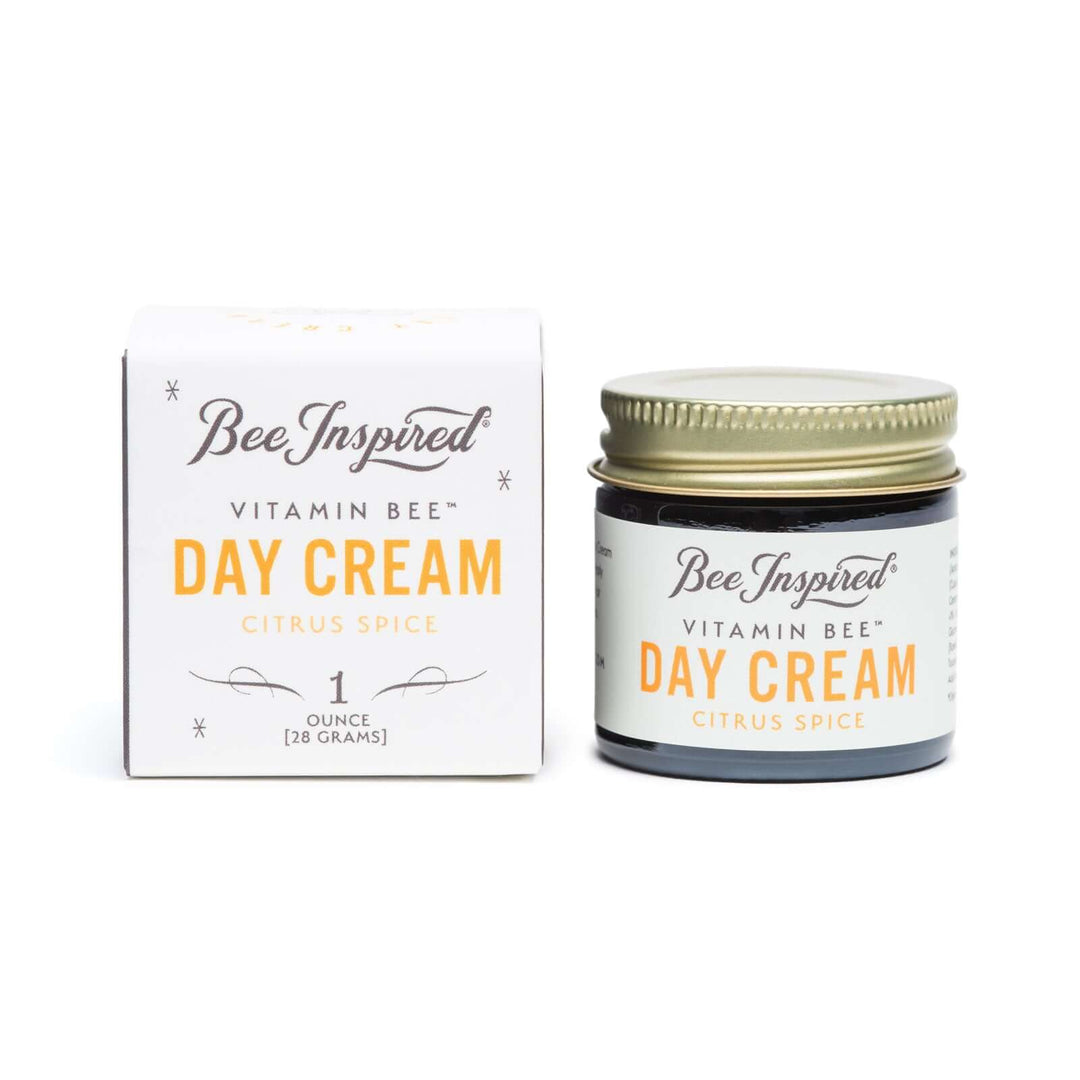
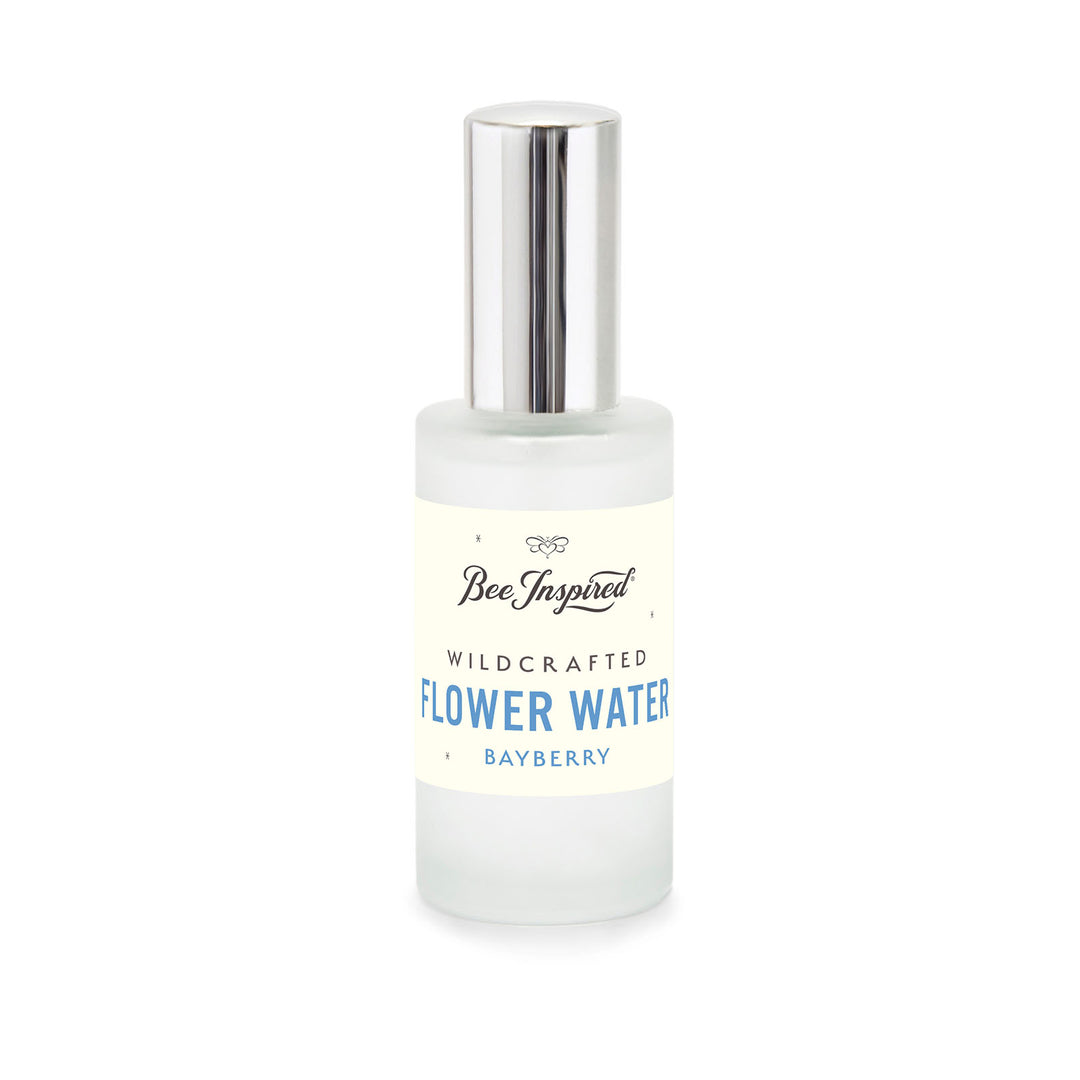
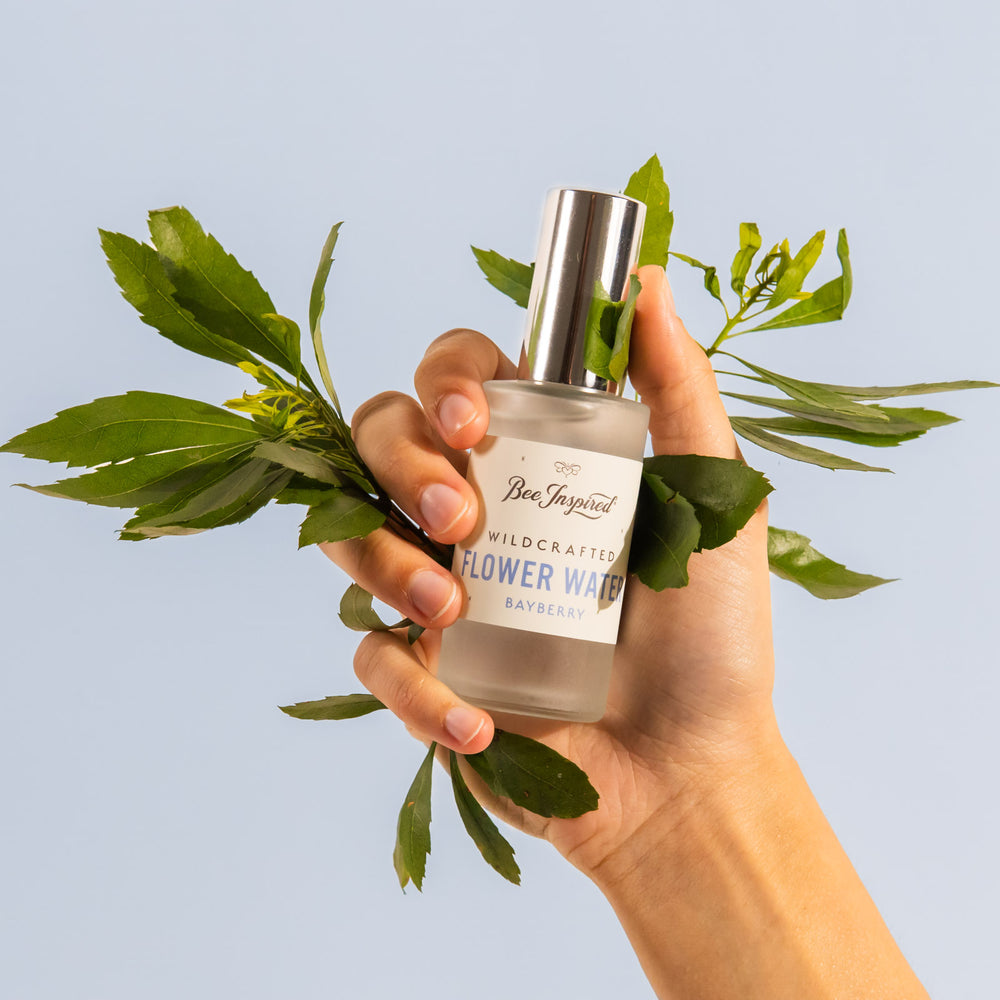
Finally, skipping the follow-up moisturizer leaves results on the table. The mask will leave your skin looking more radiant and feeling softer on its own, but layering in a moisturizer or face oil immediately after maximizes the hydrating effect of the treatment. Our full face care collection offers several options for finishing a mask session, from lightweight flower waters to our vitamin-rich day cream.
How Often Should You Use This Mask?
Once or twice a week is the right frequency for most people. Any more than that and the cinnamon can begin to feel overly stimulating, especially for skin that's already in a routine with other active products. Think of this mask as a weekly ritual rather than a daily practice. It fits naturally into a Sunday skincare session or a quiet weeknight when you have a few minutes to slow down and take care of yourself.
If you're looking to make DIY face masking a more regular part of your routine overall, it's worth rotating between different honey-based masks depending on what your skin needs that week. Our honey avocado face mask is a deeply hydrating option for days when your skin is feeling dry or dull. Our milk and honey face mask is a gentler, more soothing option that works well for sensitive skin. Alternating between two or three different masks keeps your routine feeling fresh and allows you to target different aspects of skin appearance depending on what your skin needs most.

Why Raw Honey Quality Matters
Not all honey is the same, and the quality difference really does show up in a DIY skincare context. Processed honey, the kind most commonly found on grocery store shelves, is pasteurized at high heat to extend shelf life and prevent crystallization. That process removes or degrades many of the natural compounds that make raw honey such a useful skincare ingredient. Raw honey, by contrast, retains its natural enzymes, trace pollen, and the low water activity that gives it its unique conditioning quality on skin.
At Bee Inspired Goods, our Eastern Shore honey varietals are raw and minimally filtered, meaning you get the full character of the honey as the bees made it. For face masks, we love our Sunflower Honey for its light texture and gentle sweetness, and our Buckwheat Honey for a richer, more robust mask experience. Each varietal behaves slightly differently in a mask, and it's worth experimenting to find your favorite.
Want to Take Your Honey Skincare Further?
If you love how this mask makes your skin feel, there's a lot more to explore in the world of honey-based skincare. Our complete guide to honey skincare covers everything from daily cleansing with raw honey to more intensive weekly treatments, including which honey varietals work best for specific skin types. And if you're looking for the experience of raw honey skincare in a ready-to-use format, our dry mask collection offers three formulas, each made with raw honey as a primary ingredient, that mix fresh with water, milk, or additional honey right before use. No preservatives, no wasted product, and the customization of a DIY mask with the convenience of a product that's already been formulated for you.
For an especially indulgent at-home spa experience, pair a mask session with a milk and honey face mask on the body, or use our Original Honey Body Scrub in the shower beforehand to gently buff the skin before your mask treatment. Clean, exfoliated skin tends to respond even better to a mask, so that simple prep step can make a noticeable difference in how your skin looks and feels afterward.

Frequently Asked Questions
Can I use any type of honey for a honey cinnamon face mask?
You can use any raw, unprocessed honey for this mask. Raw honey retains its natural enzymes and conditioning properties, which is why it tends to perform better in skincare applications than processed or pasteurized varieties. Darker honeys, such as Buckwheat, have a richer, more robust character, while lighter varieties like Sunflower feel lighter and spread more easily. Avoid highly processed honey that's been heavily filtered or heat-treated, as much of what makes honey useful in a mask is lost during that process.
How long should I leave a honey and cinnamon face mask on?
Ten to fifteen minutes is the recommended window for most people. That's enough time for the honey to condition the skin and the cinnamon to provide its characteristic warming sensation, without risking irritation from prolonged contact. If you have sensitive skin, start at the shorter end, around ten minutes, and see how your skin responds before extending the time.
Is a honey cinnamon face mask safe for sensitive skin?
Cinnamon can be potent for sensitive skin types. If your skin tends to react easily, reduce the cinnamon to a small pinch rather than a full teaspoon, and always do a patch test on your inner arm before applying the mask to your face. Honey on its own is generally gentle and well-tolerated, so you can also try a plain honey mask first to see how your skin responds before introducing cinnamon into the mix.
What should I put on my skin after removing the mask?
Follow up the mask with your usual moisturizer applied to slightly damp skin. For a more complete routine, a few drops of a lightweight face oil work beautifully after a honey mask session to lock in the softness. Our Rose Face Oil is a popular choice for this step. If your skin is on the combination or oily side, a lightweight flower water or toner is a great finishing option that won't feel heavy.
How often can I use a honey and cinnamon face mask?
Once or twice a week is ideal. Because cinnamon is a stimulating ingredient, daily use isn't recommended, and even twice a week is best reserved for skin that handles the warming sensation comfortably. If you want to mask more frequently, alternate the honey and cinnamon mask with a gentler option like a plain honey mask or a milk and honey mask on the other days.
Can I make the mask ahead of time and store it?
This mask is best made fresh for each use. Honey is naturally shelf-stable on its own, but once mixed with cinnamon, the paste can separate or change consistency over time. Because the recipe takes under five minutes to prepare, there's no real advantage to making it ahead. Mix what you need, use it, and start fresh next time.