


Royale Honey
The Jar Gets Opened Before the Groceries Make It Inside
Royale honey isn't rare because we're calling it rare. It's rare because tupelo trees grow in four river swamps and bloom for eighteen days. Because sourwood only flowers above 3,000 feet in the Appalachians. Because Maryland spring happens once, and if it rains the whole time, there's no harvest. Because autumn on Kent Island either delivers or doesn't—and we've gone years without it. We source from beekeepers who position hives by boat. Who wait all year for a two-week window. Who accept that some seasons produce nothing—frost comes late, rain drowns the blooms, bees stay home.


The First Fruits Royale Honey Gift Set
The first fruits, brought forward rather than sold off — that’s bikkurim, and that’s this set. Three Royale honeys held back for the new year, including a Lavender from Spain that flowers for only short time.


Honey Royale Gift Set
Sourwood from the Appalachians, Tupelo from the Florida swamps, Spring Honey from our own farm on Maryland's Eastern Shore — This is the set for the person who already knows, or the gift that turns someone into that person.
Harvested During Bloom Windows
Tupelo: 18 days when white tupelo trees flower along river systems. Sourwood: 3-4 weeks in July at mountain elevations. Spring: whenever Maryland decides spring starts. Autumn: late summer and early fall when goldenrod, aster, sunflower, buckwheat, and bamboo bloom—if they bloom. Miss the window, wait until next year.


Pure and Barely Touched
Strained once to remove beeswax and debris. That's it. No heating or excessive filtering that strips out pollen. Enzymes stay active. Flavor stays complex. Texture stays true to what bees made in the hive.
From Our Kent Island Farm
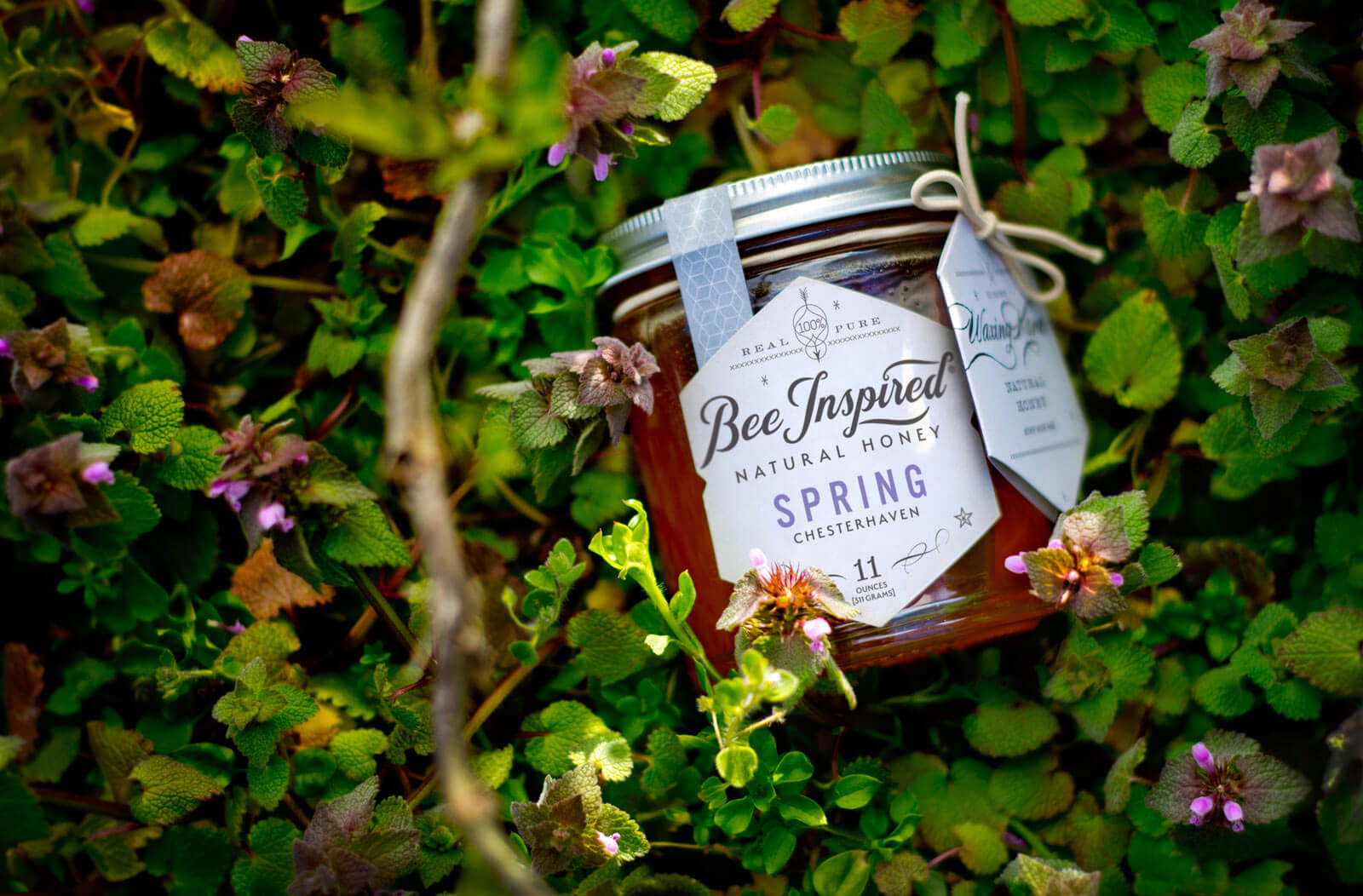
Spring Honey and Autumn Honey both come from Kara's Chesterhaven Beach Farm. Same location, completely different nectar sources and flavor profiles. Spring captures the light, delicate blossoms. Autumn pulls from the dark, robust late-season plants. Tupelo arrives from southeastern beekeepers who navigate swamps. Sourwood descends from Appalachian operations above 3,000 feet.


Bottled in Owings Mills
We don't produce the remote rare varietals like Tupelo and Sourwood—small beekeeping operations do. But we harvest our own Maryland honey and bottle every jar in our Owings Mills facility, checking each harvest for quality before it reaches you.
Sells Out for Months
When Spring Honey runs out in August, it's gone until next May. Autumn Honey disappears fast when we have it—we've gone entire years without a harvest. Tupelo vanishes by fall. Sourwood arrives late summer and sells out by winter. The website shows "sold out" more often than "add to cart."


Royale Quality, Rooted in Values
Our Royale honey is crafted with exceptional care — and purchased with impact. Bee Inspired gives back to youth empowerment organizations, art institutions, and reforestation efforts that align with our mission. Explore how we give.
Royale Honey FAQs
These varieties arrive in small batches when nature permits. The beekeepers who produce them travel to remote locations, work during brief blooming periods, and accept unpredictable annual yields. The pricing supports their work and protects the habitats where rare trees grow.
Rarity and source specificity. Our other minimally-filtered honey varieties like Wildflower or Orange Blossom come from more abundant nectar sources with longer bloom seasons. Royale varieties depend on specific trees in limited locations—tupelo swamps, sourwood mountains, our Maryland spring and autumn fields—with narrow harvest windows.
No. Weather changes what blooms when. A cool spring means more black locust. Early heat pushes fruit trees to bloom before wildflowers. Late frost kills blossoms entirely. Autumn depends on late-season bloom strength—goldenrod, aster, buckwheat. Some years the bees don't have excess to share. Each harvest reflects whatever that particular season produced.
It comes from our Kent Island farm, and only in years when the hives have excess honey stored for winter. If late summer and early fall blossoms are especially prolific, bees make extra. If weather doesn't cooperate or bees need all their stores, there's no harvest. We've gone entire years without any Autumn Honey to bottle.
High fructose-to-glucose ratio. Most honey crystallizes because glucose molecules bind together into solid form. Tupelo contains more fructose, which stays liquid. That buttery texture and easy pour isn't processing—it's the nectar source. Autumn Honey also rarely crystallizes due to its unique composition.
It won that title at international honey competitions—twice. The judges noticed what tasters notice: complex caramel notes with subtle spice, velvety texture, distinctive flavor that comes from sourwood tree blossoms and nothing else. But "best" means "best to those judges." You decide if you agree.
Not reliably. We stock them when harvests arrive and sell until they're gone. Spring Honey appears late spring through summer. Autumn Honey appears in fall when we harvest it—which isn't every year. Tupelo and Sourwood arrive mid-to-late summer. Sign up for back-in-stock notifications on individual product pages if something's currently sold out.
Cool, dry pantry. Away from direct sunlight. Secure the lid tightly. Honey doesn't spoil, but exposure to moisture can cause fermentation. Most rare honey (except Tupelo and Autumn) will eventually crystallize—that's normal and doesn't indicate quality loss. Gentle warming returns it to liquid form.


