

Lavender is one of those plants that looks effortless in the photos and humbles you in the field. We’ve been growing it on Chesterhaven Beach Farm on Maryland’s Eastern Shore for years, and the truth is that Maryland gardeners face a specific puzzle: our soil tends toward clay, our summers are humid, and our winters swing wet. Lavender came up in the dry, rocky hills of the Mediterranean. So the work is really about giving a Mediterranean plant a fighting chance in a Mid-Atlantic climate.
Done right, it pays you back in fragrance, pollinators, and harvests you can pour into honey, soap, and tea for years. Here’s how we approach it on the farm, and how you can too in your own Maryland garden.
Bees working the lavender rows during peak pollination.
Choosing the Right Lavender for a Maryland Garden
Most of Maryland sits in USDA Zone 7a, with pockets of Zone 6b in the western counties and Zone 7b along the bay. That puts us right at the edge of where the popular Mediterranean lavenders feel comfortable. Cultivar choice does more for your odds of success than almost anything else, so it’s worth slowing down here.
English Lavender (Lavandula angustifolia) — The Maryland Workhorse
English lavender is what we grow at Chesterhaven, and it’s what we recommend for almost every Maryland gardener starting out. It tolerates our winters, has the sweet, food-friendly fragrance you actually want in the kitchen, and tops out at a tidy ten to fourteen inches. The varieties that have performed best for us in this climate are Munstead and Hidcote — both compact, both reliably hardy through Zone 7 winters, both excellent for culinary use. Munstead tends to be slightly more forgiving in heavier soils, which matters if you’re planting near clay.
Lavandin (Lavandula x intermedia) — The Bigger, Showier Option
What’s often sold as “French lavender’’ in the U.S. is usually a Lavandin, a hybrid that grows three to four feet tall with longer stems. Provence and Grosso are two Lavandins worth knowing. They bloom a little later than English varieties, give you the dramatic stems for bouquets and wreaths, and produce more essential oil per plant. They’re a touch more cold-sensitive than English lavender, but in most of Maryland they come back year after year if drainage is right. Phenomenal is a newer Lavandin specifically bred for humid, cold-winter climates, which makes it one of the most underrated picks for Maryland gardeners battling our weather.
Spanish Lavender (Lavandula stoechas) — Pretty, but Picky
Spanish lavender has the unmistakable “rabbit ear” bracts at the top of each flower. It’s a charming ornamental, and it shows up in containers and in crafts more than in the kitchen. In Maryland, treat it like a borderline annual: it’s less reliably hardy through our winters than English lavender, so plant it in containers you can move, or treat it as a one-season showpiece.

Harvesting lavender with friends at Chesterhaven Beach Farm.
When to Plant Lavender in Maryland
The two reliable planting windows in Maryland are mid-April through May in the spring, once the last frost has passed, and September through mid-October in the fall, while the soil is still warm but the worst summer humidity is behind you. Spring planting gives the plant a full season to root before its first winter, which is generally the safer bet for first-time growers. Fall planting works well for established nursery starts in larger pots.
Avoid planting in the heat and wet of midsummer. Roots that are still establishing are the most vulnerable to the fungal pressure that comes with our July and August humidity, and a stressed transplant in a Maryland summer is a transplant fighting an uphill battle.
Soil and Site: The Step Most Maryland Gardeners Get Wrong
If lavender dies in your Maryland garden, the cause is almost always wet roots. The plant evolved on dry, rocky hillsides where water drains away in seconds. Our native soils are not that. Before you bring a single plant home, get the site right.
Drainage Comes First, Always
Lavender wants well-drained, slightly alkaline soil with a pH between 6.7 and 7.3. If you’re working with the heavy clay common across Maryland, you’ve got three good options: build a raised bed, plant on a sloped section of the yard so water moves off, or amend the planting hole heavily with coarse sand or pumice (about thirty percent by volume) to break up the clay. A soil test is worth the small fee from your local University of Maryland Extension office. If your pH comes back below 6.7, work in a small amount of garden lime to bring it up. Don’t over-correct.
Choose Your Mulch Carefully
This one trips up more Maryland lavender than anything else. Shredded bark mulch is everywhere in our gardens, and in a humid climate it tends to hold moisture and harbor mold spores right at the crown of the plant, which is exactly where lavender is most vulnerable. We use crushed stone, gravel, or even bleached oyster shell around our lavender rows. White gravel and seashell have the added benefit of reflecting sunlight back up onto the plant, which dries the foliage faster after rain. If you must use organic mulch elsewhere in the bed, keep it well clear of the lavender crown.
Site It in Full Sun
Lavender wants six to eight hours of direct sun a day, more if you can give it. The brighter and breezier the spot, the better. Avoid low corners of the yard where water collects, and avoid tucking lavender against the foundation of a house where airflow is poor. A south-facing slope with good wind exposure is closer to its native conditions than most of us realize.
How to Plant Lavender
Once your site is right, planting is straightforward. Dig a hole twice the width of the root ball and roughly the same depth. Set the plant at the same depth it was growing in its nursery pot, never deeper, and backfill gently. Water well at planting to settle the soil and remove air pockets, then ease off.
Spacing matters more than people think. For English lavender, allow eighteen to twenty-four inches between plants. For the larger Lavandins, give them two-and-a-half to three feet. Crowded lavender holds humidity around the leaves, and humidity is the enemy. Air should be able to move freely between every plant.
For the first week to ten days after planting, water lightly every other day to help roots establish. After that, taper sharply. By month two, you should be watering only during prolonged dry stretches, and most established lavender in Maryland gets by on rainfall alone except in real drought.

Lavender is a magnet for butterflies and bees. Plant it once and your pollinator garden takes care of itself.
Watering, Feeding, and Resisting the Urge to Help
Lavender thrives on a little benign neglect. The most common mistake we see in Maryland gardens is over-care: too much water, too much fertilizer, too much mulch. Established lavender wants poor, lean soil, infrequent deep watering, and minimal feeding. Once a year, in early spring, a light scratch of compost worked into the surface around the plant is plenty. Skip the rich fertilizers; they push leafy growth at the expense of fragrance, and they make plants more vulnerable to fungal pressure.
Watch the foliage. If the silvery-green leaves start to look limp or yellow, you’re almost certainly overwatering, not underwatering. Pull back and let the plant dry out.
Pruning Lavender: The One-Third Rule
Annual pruning is the difference between a lavender that lives for ten years and one that turns woody and exhausted in three. After the first flush of bloom, usually in late June or early July in Maryland, take sharp pruners and cut back about one-third of the plant’s green growth. Shape it into a gentle dome. Never cut into the bare, woody stems below the green growth, because lavender struggles to regenerate from old wood.
A light second pruning in early fall, just to clean up any straggling growth before winter, is optional but helpful. Your goal year over year is to keep the plant producing new green stems from the crown, which is where next year’s flowers come from.
Common Maryland Lavender Problems
Most lavender failures here trace back to one of three causes. By far the most common is root rot from soil that drains too slowly. The fix is preventive: get the site right before you plant. Once a plant is rotting, it’s usually a lost cause; pull it, rebuild the bed with better drainage, and try again.
The second is fungal pressure like powdery mildew, which shows up as a dusty white film on the leaves during humid stretches. Good spacing, gravel mulch, and morning watering at the base (never on the foliage) prevent most of it. If it shows up, prune affected stems out and improve airflow.
The third is pests. Aphids, whiteflies, and spittlebugs occasionally visit, but lavender’s natural oils mean it usually shrugs them off. If you see populations building, a light spray of insecticidal soap handles them without bothering the bees. Deer, in our experience, leave established lavender alone, but young transplants are worth protecting with simple fencing for the first season.
Propagating Lavender
Lavender is famously slow and fussy from seed, so most growers, including us, propagate from cuttings or layering. Take six-inch softwood cuttings in late spring or early summer, strip the lower leaves, dip the cut end in rooting hormone, and stick them into damp potting mix in a partly shaded spot until they root. Alternatively, the layering method works well: bend a flexible low branch down to the soil, scrape the underside lightly where it touches the ground, dust with rooting hormone, pin it down, and cover with a little soil. In two or three months, roots will form, and you can sever the new plant from the parent and transplant it.
If you want to harvest your stems for drying, sachets, or culinary use, do it in the cool of the morning, when the buds are just starting to open but most are still tight. That’s when the essential oils are at their peak. Our full guide to harvesting lavender walks through the timing and technique.

Our Lavender Flower Water is steam-distilled from lavender grown right on the farm.
Winter Care for Maryland Lavender
Established English lavender handles a typical Maryland winter without much help. The two practical things you can do are: stop watering once the plant has gone dormant in late fall, and resist the urge to pile mulch over the crown for warmth. Wet mulch sitting against the base of the plant all winter is a far bigger threat than cold air. If a polar-vortex-style cold snap is forecast, a frost blanket draped loosely over the plant for a night or two will get it through. Container-grown lavender, especially Spanish or younger Lavandins, can be moved into an unheated garage or porch for the worst of winter.
Bringing Your Harvest Indoors
The garden is only the start. Once you’ve got buds drying in the kitchen, the question becomes what to do with them. We use ours every direction we can think of.
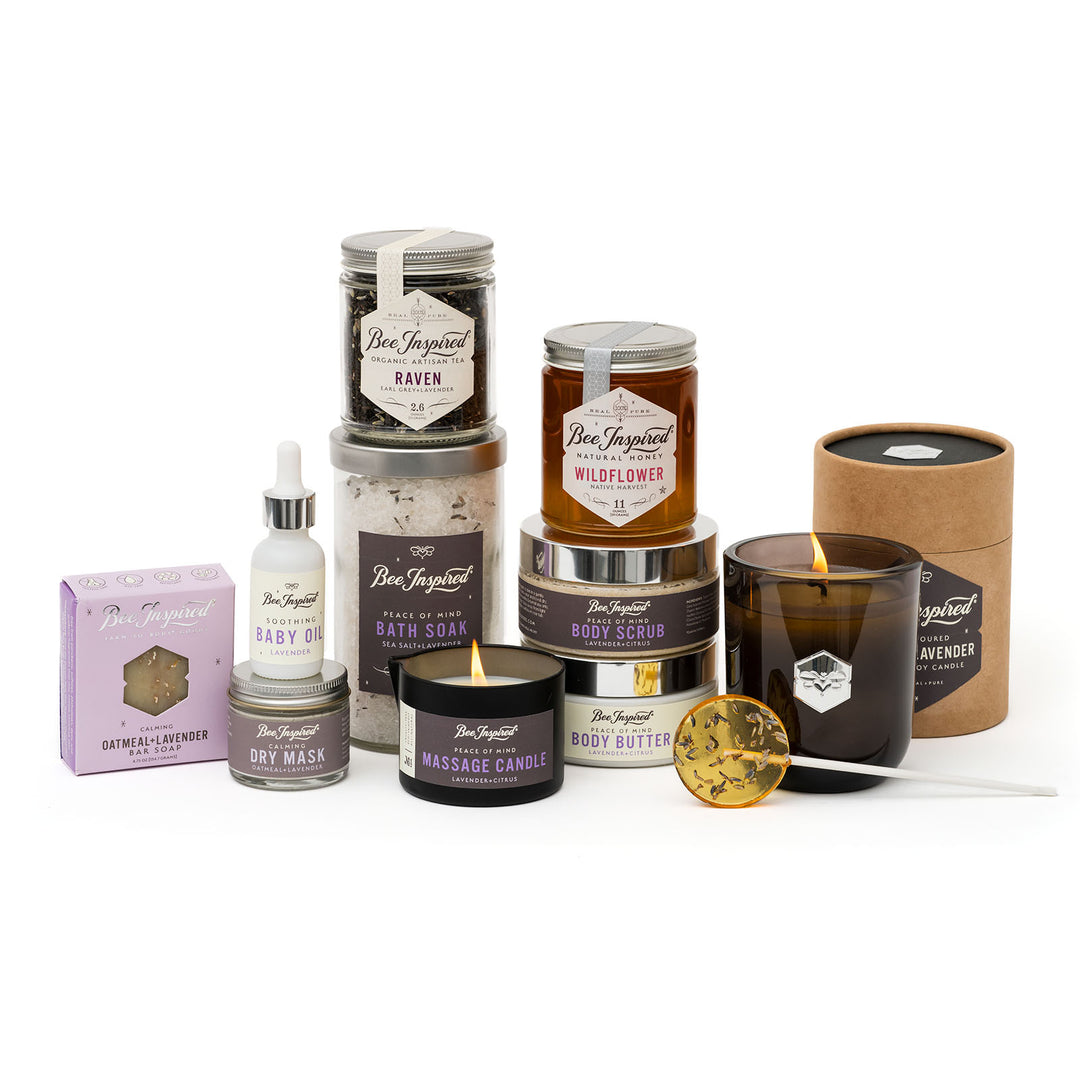
In food and drink, lavender adds a soft floral note to baked goods, ice cream, and tea. Our lemon lavender honey cake and our honey lavender ice cream are two of the recipes we come back to every summer, and our roundup of summer lavender recipes has more ideas for the harvest. To extend the flavor through the year, try infusing a jar of our Lavender Honey with dried buds, following our lavender-infused honey method.
For tea, our Raven Earl Grey with lavender and our Good Night Tea blend show how nicely lavender plays with both black and herbal teas.
Around the house, dried bundles tied with ribbon make wreaths, drawer sachets, and centerpieces. If you’d rather skip the DIY, our French Lavender Soy Candle brings the same scent into the room without a single garden chore. Our full how-to-use-lavender guide has twenty more ideas across kitchen, home, and self-care.
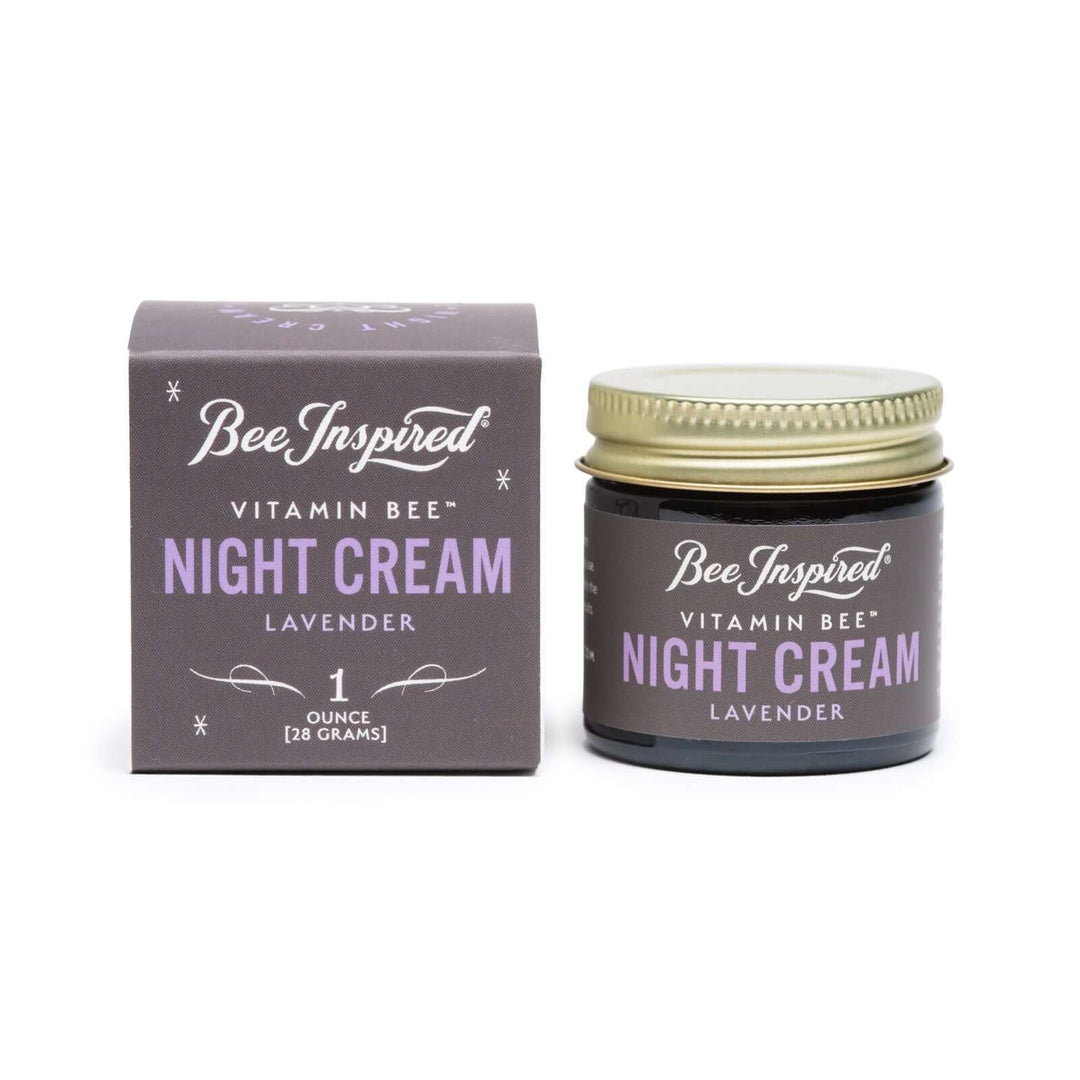
For body care, the Peace of Mind Collection is our complete lavender skincare line, including Oatmeal + Lavender Bar Soap, Peace of Mind Body Butter, and Lavender Baby Oil. And for a sweet that captures the flavor exactly the way it does in food, the Lavender Honey Lollipops are made with real culinary buds from the farm.

If you love the scent in the garden, the Peace of Mind Collection brings it into your daily routine.
Caring for this land and the communities around it is the heart of what we do. It’s why we built Roots & Wings, our giving program that ties every purchase to something that matters. See how we give back.
Frequently Asked Questions: Growing Lavender in Maryland
What kind of lavender grows best in Maryland?
English lavender (Lavandula angustifolia) is the most reliable choice for Maryland’s Zone 7a climate. Munstead and Hidcote are two compact varieties that handle our winters well and have the sweet fragrance preferred for culinary use. For taller, showier plants, the Lavandins Provence, Grosso, and especially Phenomenal (bred for humid climates) are strong picks.
When is the best time to plant lavender in Maryland?
The two best windows are mid-April through May, after the last spring frost, and September through mid-October in fall. Spring planting is the safer choice for first-time growers because it gives the plant a full season to establish before its first winter. Avoid planting in the heat and humidity of midsummer.
Can lavender grow in Maryland clay soil?
Not without amendment. Lavender needs sharp drainage to survive, and Maryland’s native clay holds too much water around the roots. The fix is to plant in a raised bed, on a sloped part of the yard, or to amend the planting hole with about thirty percent coarse sand or pumice. Container growing is another reliable option for gardens with heavy clay.
Does lavender come back every year in Maryland?
English lavender is a perennial that returns reliably year after year in Maryland gardens, often for ten years or more when it’s sited well and pruned annually. Lavandins like Provence and Grosso also return, with slightly more sensitivity to harsh winters. Spanish lavender is less reliably hardy here and is often grown as a container plant or short-lived ornamental.
How much sun does lavender need?
At least six hours of direct sun a day, and ideally eight or more. Lavender planted in shade or partial shade will grow leggy, bloom poorly, and become more vulnerable to fungal issues. A south-facing site with good airflow is closest to lavender’s native Mediterranean conditions.
Why does my lavender keep dying?
The cause is almost always wet roots from soil that drains too slowly, or wet mulch sitting against the crown of the plant. Lavender evolved in dry, rocky soil, and the combination of clay and humidity in Maryland can suffocate the roots. Improve drainage, swap shredded bark mulch for crushed stone or white gravel near the plant, and resist the urge to overwater.
Can you grow lavender in containers in Maryland?
Yes, and containers are often the best solution for gardens with heavy clay or limited sun. Use a wide, shallow pot with multiple drainage holes, fill with a gritty potting mix designed for herbs or succulents, and place the container where it gets full sun. Move tender varieties like Spanish lavender into an unheated garage or porch for the harshest weeks of winter.
How do you prune lavender?
After the first bloom in late June or early July, cut back about one-third of the plant’s green growth, shaping it into a gentle dome. Never cut into the bare, woody stems below the green, because lavender does not regenerate well from old wood. A light second pruning in early fall is optional. Annual pruning is what keeps a lavender plant productive for ten years instead of three.