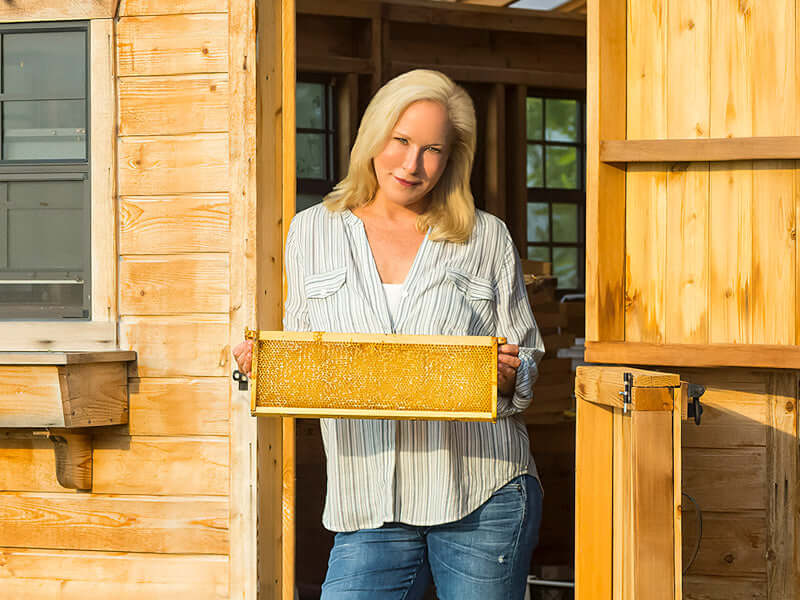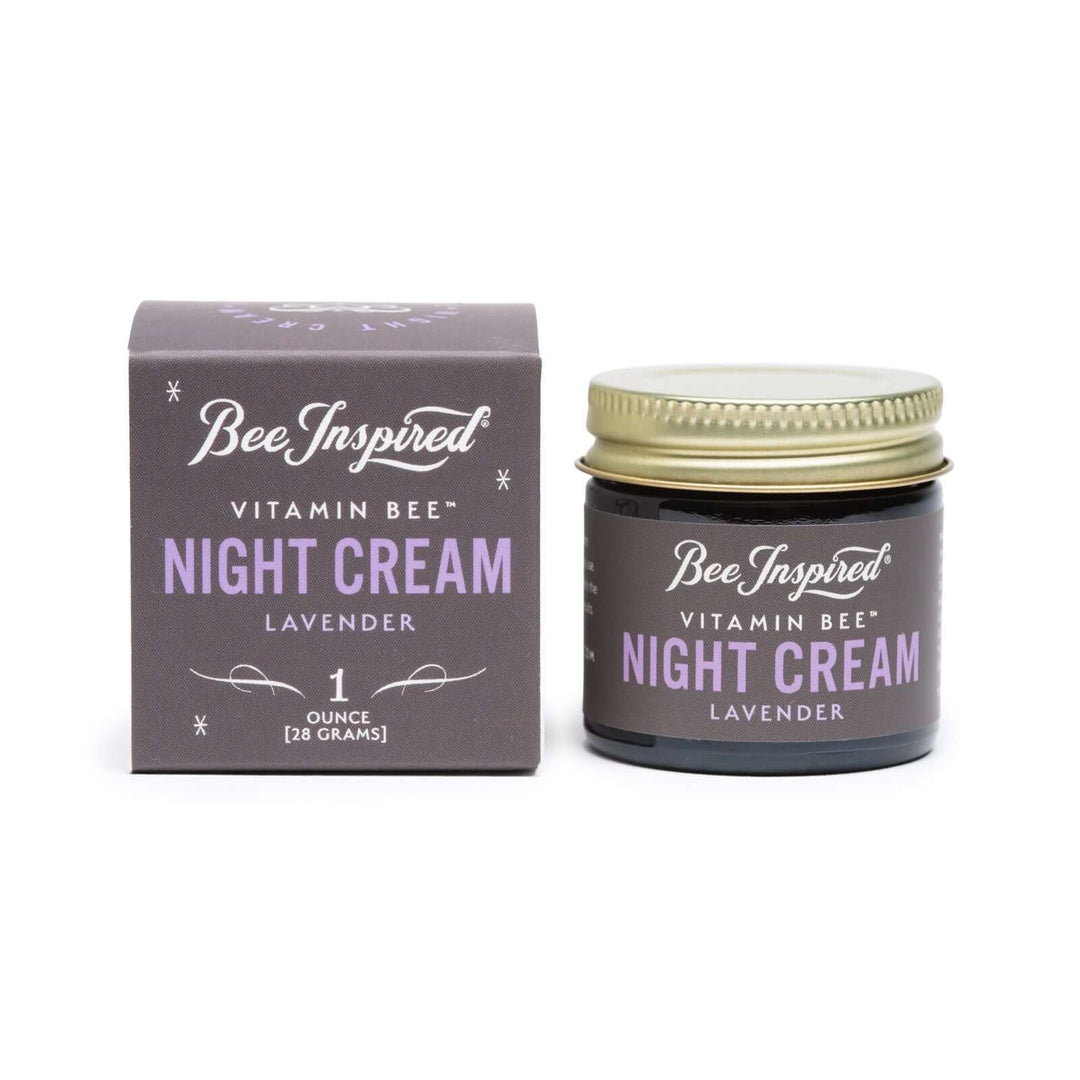


Lavender recipes are some of the most-requested at Chesterhaven Beach Farm, and for good reason. The flavor and fragrance of fresh lavender can carry a cake, an infused honey, a body oil, or a quiet cup of tea before bed. We grow more than 500 lavender plants on our Eastern Shore farm, all without synthetic pesticides, and over the years we’ve worked out which recipes truly earn the lavender we put into them. These seven are the ones we keep coming back to.
If you want to understand the flavor pairing first, our lavender and honey pairing guide covers what makes the two work so well together. Otherwise, dive into the recipes below.

Why These Lavender Recipes Work
Most lavender recipes online treat the herb as a decorative afterthought. The seven below are different because they were built around lavender, not sprinkled with it. A few principles that show up in every one of them:
- English lavender (Lavandula angustifolia) is the variety we grow and the one we recommend for cooking. Mild, sweet, and low in camphor.
- A little goes a long way. Lavender that whispers tastes like a flower. Lavender that shouts tastes like soap.
- Grind your buds. Whole buds left in a batter or syrup show up as gritty bits. A quick pulse in a clean coffee grinder fixes that.
- Pair with honey, lemon, or chamomile. These are the partners lavender wants. Almost everything below uses one of them.

Sweet Lavender Recipes
1. Lemon Lavender Honey Cake

Our most-requested lavender bake. The full Lemon Lavender Honey Cake recipe uses our Spring Honey, which is gathered during the same three-week window when the lavender at Chesterhaven Beach Farm is in bloom. The honey carries floral notes that reinforce the lavender in the cake instead of competing with it.
Why it works: Bright lemon zest balances the floral lavender, Spring Honey adds depth and moisture, and a tea-steeped honey syrup soaks into the warm loaf for a second layer of flavor.
Try serving with our Lavender Ice Cream recipe!
2. Lavender-Infused Honey

If you only make one recipe from this list, make this one. Lavender-infused honey takes about ten minutes of active work and lasts for months in the pantry. We start with a light, floral honey like our Wildflower Honey so the lavender has room to come through.
Lavender-infused honey is different from our Lavender Honey from Spain. This recipe explicitly adds lavender buds to a wildflower honey, but lavender honey is a monofloral honey created by bees who primarily pollinate lavender flowers, but none of those flowers are actually added into the honey.
Once it’s ready, drizzle it over yogurt, stir it into tea or coffee, brush it on roasted chicken, whisk it into a vinaigrette, or spread it on a warm scone. It also makes one of the easiest handmade gifts in our kitchen.
3. Lavender Honey Marshmallows

Our Lavender Honey Marshmallows are pillowy, faintly purple, and absolutely worth the half hour they take. They drop into hot chocolate the way they were meant to. They land in a Mason jar with a ribbon as a wedding favor or hostess gift. They make ordinary s’mores feel slightly improbable.
The trick is steeping the lavender into the water before the gelatin sets, which keeps the texture clean and the flavor floral instead of grassy.
Lavender for Skin and Self-Care

4. Lavender Tonic
A simple lavender tonic recipe made from steeped lavender flowers, witch hazel, and a splash of vinegar. It works as a refreshing facial mist on a hot afternoon, a body spray after the shower, or a pillow spray before bed. Keeps in the refrigerator for a few months.
If you’d rather skip the kitchen step, our Lavender Flower Water is the same idea in a bottle. We distill it ourselves from the lavender we grow on the farm, which is what gives it that clean, garden-fresh scent rather than the heavy lavender note you get from candles.
5. Lavender Body Oil

Our lavender body oil recipe is dried lavender buds steeped in a carrier oil (sunflower works beautifully) for four to six weeks. The result is a softly fragrant oil for after-shower use, hand massage, or a quiet end-of-day routine.
If you don’t want to wait the four to six weeks, our Bee Inspired Baby Oil is a four-ingredient blend of sunflower, jojoba, apricot kernel, and Bulgarian lavender oil that works on grown-up skin just as well as it does on a baby.
6. Milk and Lavender Bath

Our milk and lavender bath recipe uses powdered milk, Epsom salts, dried lavender, and a drizzle of honey. It turns an ordinary tub into something that feels much more like the spa down the road.
For a one-step version, our Peace of Mind Bath Soak combines Dead Sea salt, Epsom salt, and lavender buds from our farm. Pair it with our Peace of Mind Body Butter after the bath, while skin is still slightly damp.
A Lavender Drink to End the Day
7. Chamomile Lavender Tea

Our chamomile lavender tea recipe is the cup we reach for when the day has worn its welcome out. Steep dried chamomile and dried culinary lavender in just-under-boiling water for five to seven minutes, cover the cup while it steeps to keep the volatile oils in, then sweeten with honey after steeping.
If you’d rather buy the blend already made, our Good Night Tea combines chamomile, lavender, linden flowers, spearmint, and rose petals. For a more aromatic, caffeinated take on lavender tea, our Raven Earl Grey Tea blends organic black tea, lavender, and natural bergamot oil.

Tips for Cooking and Baking with Lavender
How Much Lavender to Use
This is the question that breaks more lavender recipes than any other. A few measuring rules that have served us well:
- Dried lavender buds: start with 1/4 teaspoon per serving, taste, and adjust up.
- Fresh lavender: use two to three times the dried amount, since fresh buds carry less concentrated flavor.
- Ground lavender: use half the volume of whole buds. Grinding releases more oil per spoonful.
- Lavender essential oil: only one to two drops per recipe, and only food-grade.
Common Mistakes to Avoid
- Using too much. Lavender should be present, not dominant. Cut your first attempt in half if in doubt.
- Skipping the grind. Whole buds in a syrup or batter make for a strange chew. Pulse them briefly in a clean coffee grinder.
- Using ornamental or craft lavender. Only culinary-grade buds belong in food, since ornamental varieties may have been treated with chemicals not meant for consumption.
- Cooking it too long. Heat draws out the bitterness in lavender. Add it near the end of cooking, or steep it briefly and strain it out.
- Using French or Spanish lavender for cooking. Both have higher camphor content. English lavender (Lavandula angustifolia) is the one to use.
Quick Quality Test
Before you put lavender into a recipe, give it a quick check. The buds should smell sweet and floral with no harsh or medicinal note. The color should still be a vibrant purple, not faded gray. A tiny taste should be pleasantly floral, not bitter or soapy. If your lavender doesn’t pass these tests, the recipe won’t either. Other sweet recipes with lavender not mentioned above include our Lemon Lavender Cake and our Lavender Scones where you can continue to use your lavender if you have any leftover.

Where Our Lavender Comes From
Every recipe in this roundup uses lavender we grow at Chesterhaven Beach Farm on Maryland’s Eastern Shore. We grow more than 500 plants without synthetic pesticides, harvest them by hand, and dry them in small batches. Some of those buds end up in our Peace of Mind Collection of bath and body products. Some end up in our tea blends. The rest end up in recipes like the seven above.
If you’re thinking about growing your own lavender, our farm guide walks through soil, spacing, watering, and pruning. When the time comes to harvest your lavender, the timing and technique guide covers the rest. Both posts are written from years of trial and error in our own field.
More Ways to Use Lavender
The seven recipes in this roundup are a starting point. For a wider look at lavender in the kitchen, the linen closet, the garden, and the bath, our guide to how to use lavender covers twenty practical ideas, including herbs de Provence blends, lavender sugar, sachets, and room sprays. We have also created a complete guide for you on how to relax with our Lavender Experience gift set so that you can make the most out of this versatile plant.
If you’d rather skip the DIY entirely, browse our full lineup of lavender products in the Peace of Mind Collection, our artisanal tea collection, and our soy candle collection.


FAQs About Lavender Recipes to Try
What can I make with fresh lavender?
Fresh culinary lavender works in baked goods like Lemon Lavender Honey Cake, in syrups for cocktails and lemonades, in herb-rubbed roasts, in tea blends, in lavender-infused honey, and in skincare DIY recipes like a body oil or facial tonic. As a measuring rule, fresh lavender is less concentrated than dried, so use about two to three times the dried amount when a recipe calls for it.
How much lavender should I use in a recipe?
Start with 1/4 teaspoon of dried buds per serving and adjust up to taste. Lavender is potent, and most recipes are easier to fix by adding more than by walking back too much. If you are using ground lavender, cut the volume in half. If you are using fresh, double or triple it. For lavender essential oil, one to two drops per recipe is plenty, and only food-grade oil belongs in food.
What is the difference between culinary and ornamental lavender?
Culinary lavender is grown specifically for kitchen use, without synthetic pesticides or other chemicals not meant for consumption. The variety used is almost always English lavender (Lavandula angustifolia), which has a sweeter, milder flavor than French or Spanish lavender. Ornamental or craft lavender may have been sprayed with chemicals appropriate for cut flowers but not for food, so it should not be used in any recipe.
Why does my lavender taste like soap?
Three usual culprits. First, you used too much: cut the volume in half next time. Second, you used a French or Spanish variety instead of English lavender, which has more camphor in it. Third, you cooked it too long, which pulls bitterness out of the buds. Adding lavender near the end of cooking, or steeping briefly and straining, fixes the third one in most recipes.
What pairs well with lavender in cooking?
Honey, lemon, vanilla, chamomile, and stone fruits like peach and plum are reliable sweet partners. In savory cooking, lavender works alongside rosemary, thyme, garlic, goat cheese, and grilled meats like lamb or chicken.
Can I use the lavender from my garden in these recipes?
Only if you grew it without synthetic pesticides or other chemicals, and only if it is English lavender. Cut the buds in the morning after the dew has dried, dry them in small bundles hung in a cool dark spot for about two weeks, and store the dried buds in a sealed glass jar away from heat.
Where can I buy farm-grown culinary lavender?
The simplest option is one of the products in the Peace of Mind Collection from Bee Inspired Goods, all of which use lavender grown at Chesterhaven Beach Farm on Maryland's Eastern Shore. For a tea blend that already includes lavender, the Good Night Tea combines it with chamomile, linden flowers, spearmint, and rose petals.