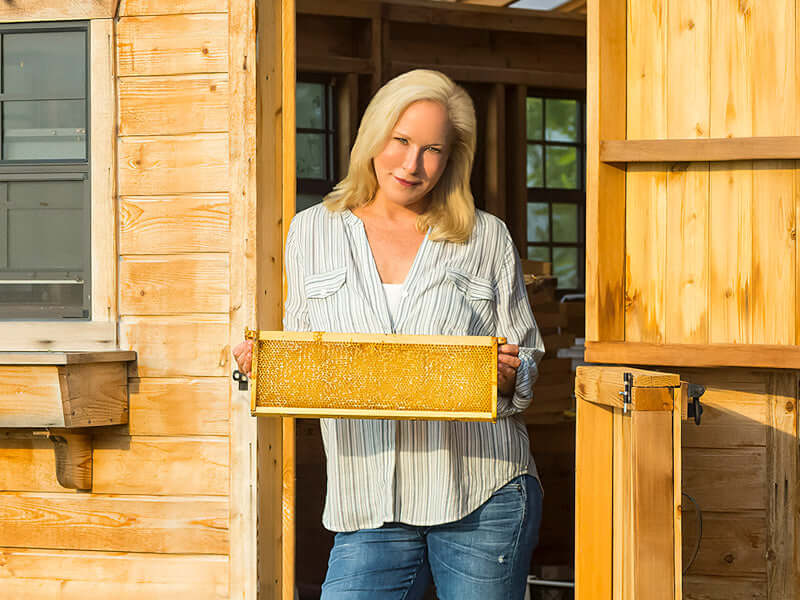


There are 500 lavender plants growing along the driveway at Chesterhaven Beach Farm, and every spring, when they bloom at the same time the black locust trees are dripping with blossoms and the fruit trees are finishing up, the bees go absolutely wild. They love lavender. And the honey they produce during that window? It tastes like the farm smells in May — floral, golden, bright, and completely unlike anything you'd find in a grocery store.

Lavender and honey have been used together for centuries, and it's not hard to understand why. Both carry something floral. Both are aromatic. Both have that particular quality of being instantly recognizable, even before you've tasted them. Put them together and the combination does something that neither quite manages alone: the honey rounds the sharp edges off lavender's more herbal notes, and lavender lifts minimally filtered honey out of one-dimensional sweetness into something more interesting. It's a pairing with real range — equally at home in a cup of tea, a loaf cake, a cheese board, or a jar of skincare.
This guide covers the best ways to use lavender and honey together, which honey varieties work best for which applications, and how to get the most out of this classic combination whether you're cooking, baking, or looking for something a little different in your self-care routine.

Why Lavender and Honey Are Such a Natural Pairing
The short answer is flavor. Lavender is floral and herbal — it has that distinctive purple-field fragrance you'd recognize anywhere, but when used correctly in food, it translates to something more subtle. Culinary lavender, particularly Lavandula angustifolia (English lavender), is the variety to look for. Its flavor is clean and gently floral, with just enough of an herbal backbone to keep it interesting. Use too much and it tips into soap; use just enough and it blooms in the background of everything else.
Honey is the perfect partner for that. A good minimally filtered honey is already floral — most honey gets its character from the nectar of specific flowers, and that flower-forward quality makes it receptive to lavender in a way that refined sugar simply isn't. Sugar sweetens. Honey flavors. When lavender meets a quality minimally filtered honey, especially one with its own floral character, the result has real depth. The two flavors layer rather than merge, and both stay distinct even as they complement each other.
The other factor is texture. Honey's thick, glossy body carries lavender's aromatic qualities in a way that water and lighter liquids don't. Whether you're infusing, drizzling, or baking, the honey acts almost like a vehicle — keeping the lavender flavor present from first taste to finish. Want to understand more about what makes lavender honey different from other varieties? Our guide on what is lavender honey covers the varietal in depth.

The Best Culinary Uses for Lavender and Honey
This pairing shows up beautifully across a surprisingly wide range of uses. Here are the applications where lavender and honey genuinely earn their place together in foods and drinks.
In Tea and Warm Beverages
This is probably the most intuitive use, and it works for good reason. A spoonful of honey in a cup of floral herbal tea is a natural combination, and when you add lavender to either the tea or the honey itself, the effect is layered and genuinely lovely. Lavender and chamomile are a particularly classic combination — the gentle apple-like sweetness of chamomile and the herbal floral of lavender pair well together, and honey ties both into something smooth and cohesive.
Our Good Night Tea already combines chamomile and lavender in an artisanal blend — adding a spoonful of minimally filtered honey before bed makes it one of those rituals you actually look forward to. If you'd like a more hands-on approach, we also have a full chamomile lavender tea recipe that walks through proportions and steeping times for brewing your own blend from scratch.
On Toast, Yogurt, and Simple Things
A drizzle of lavender honey over plain Greek yogurt, warm ricotta, or a thick slice of buttered toast is one of those uses that feels almost too simple to mention — until you actually try it. The floral character of lavender-influenced honey changes the entire register of something that would otherwise be just creamy, just tangy, just plain. Add sliced peaches or fresh figs, and you have something that tastes like a great deal more effort went into it than it did.
Our Spring Honey from Chesterhaven Beach Farm is naturally influenced by the lavender our bees pollinate every April and May — it has a bright, pollen-forward floral quality that makes it exceptional for exactly these kinds of simple applications where the honey itself is the point.
On Cheese Boards
Lavender and honey on a cheese board is one of those combinations that consistently surprises people. Honey alone is a classic pairing with cheese — it cuts through rich, funky, or aged varieties and adds a sweetness that brightens everything around it. Lavender-forward honey does all of that while adding an herbaceous floral note that plays especially well against sharper aged cheeses like a good aged gouda, sharp cheddar, or creamy blue. The floral element gives the board a kind of culinary identity that plain honey doesn't quite deliver.
If you're assembling a cheese board with lavender honey as the centerpiece, use a light honey with real floral character. Spring Honey drizzled generously over or alongside the cheeses, with some dried culinary lavender sprinkled on the board for visual interest, is an easy elevated touch. Check out our guide to pairing lavender honey for specific cheeses, wines, and more that go well with our Lavender Honey from Spain.
In Baking
Lavender and honey in baking is where this pairing shows its full range. The two flavors are robust enough to survive the oven at moderate temperatures, and when baked together, they create a crumb that smells and tastes distinctly of something. Not generic bakery sweetness — something specific and floral and interesting.
The combination works best in recipes where the honey and lavender are meant to be noticed, not buried. A lemon lavender honey cake is the obvious example — three flavors that reinforce each other, none of them overpowering the others. Our version uses minimally filtered Spring Honey from the farm as the primary sweetener, which keeps the crumb moist and adds its own floral note without competing with the culinary lavender.
Scones are another natural application. Our lavender basswood honey scones pair dried culinary lavender with our raw Linden Basswood Honey, whose herbal, hay-like flavor layers beautifully with the floral notes rather than disappearing behind them. The honey glaze on top sets to a thin, fragrant sheen as the scones cool — it's one of those details that makes a real difference.
Baking tip worth repeating: always use culinary-grade lavender specifically labeled for food use — not decorative, not potpourri, and not anything from a craft or gift shop. Culinary lavender (Lavandula angustifolia) is grown and processed for use in food and has a clean, sweet flavor. Other varieties can introduce bitterness or compounds that aren't intended for consumption.
In Frozen Desserts
Lavender and honey in ice cream is an unexpectedly wonderful combination, mostly because the cold temperature makes the floral notes more pronounced. Our honey lavender ice cream recipe uses our minimally filtered Ukrainian Sunflower Honey as the base — its mild, slightly buttery sweetness creates the perfect backdrop for lavender to come through cleanly without any single flavor crowding the others. Custard-based, deeply creamy, and distinctly floral, it's genuinely one of the more memorable summer desserts we've made from our farm's lavender harvest.
In Hot Chocolate and Seasonal Drinks
Lavender's herbal floral character pairs remarkably well with rich dark chocolate — they don't compete so much as they offset each other, with lavender cutting through the weight of chocolate and chocolate giving lavender something interesting to lean against. Our lavender honey marshmallows were born from exactly this pairing — fluffy honey marshmallows made with dried farm lavender, ideal for floating on top of a mug of hot chocolate on a cold evening.

Choosing the Right Honey to Pair with Lavender
Not all honey varieties work equally well alongside lavender. The goal is to find a honey whose own flavor complements rather than competes with lavender's herbal floral notes. Here's how to think about it:
Light, floral honeys are the most intuitive match. Our Spring Honey, collected during the bloom window when lavender, black locust, fruit tree blossoms, and wildflowers are all open at Chesterhaven Beach Farm simultaneously, has a bright, pollen-forward character that echoes lavender's floral notes without muddying them. It's the most naturally lavender-adjacent honey we make, and it's beautiful in any application where the honey flavor is meant to be tasted.
Herbal honeys with complexity, like our minimally filtered Linden Basswood Honey, can be a more surprising but genuinely excellent match. Basswood's hay-like, herbal character has a natural affinity with lavender — the two flavors layer and deepen each other rather than one overwhelming the other. It's the better choice for baking where you want real dimension, as we use in the lavender scone recipe above.
Very robust, assertive honeys — buckwheat, for example, or our darker Autumn Honey — are generally not ideal partners for lavender. Lavender's flavor is delicate enough that it can get lost against something that bold. The match doesn't fail outright, but it doesn't sing either. Save the bold honeys for applications where they're the featured player.
Want to go further and make your own lavender-infused honey at home? Our full guide to making lavender infused honey covers the method, ratios, and what to look for in both your lavender and your base honey.

Lavender and Honey Beyond the Kitchen
Lavender and honey don't stop being interesting once you leave the kitchen. Both have a long tradition of use in body care, and when you combine them — honey's naturally conditioning texture with lavender's distinctly calming fragrance — the result is a sensory experience that's become the foundation of our Peace of Mind Collection.
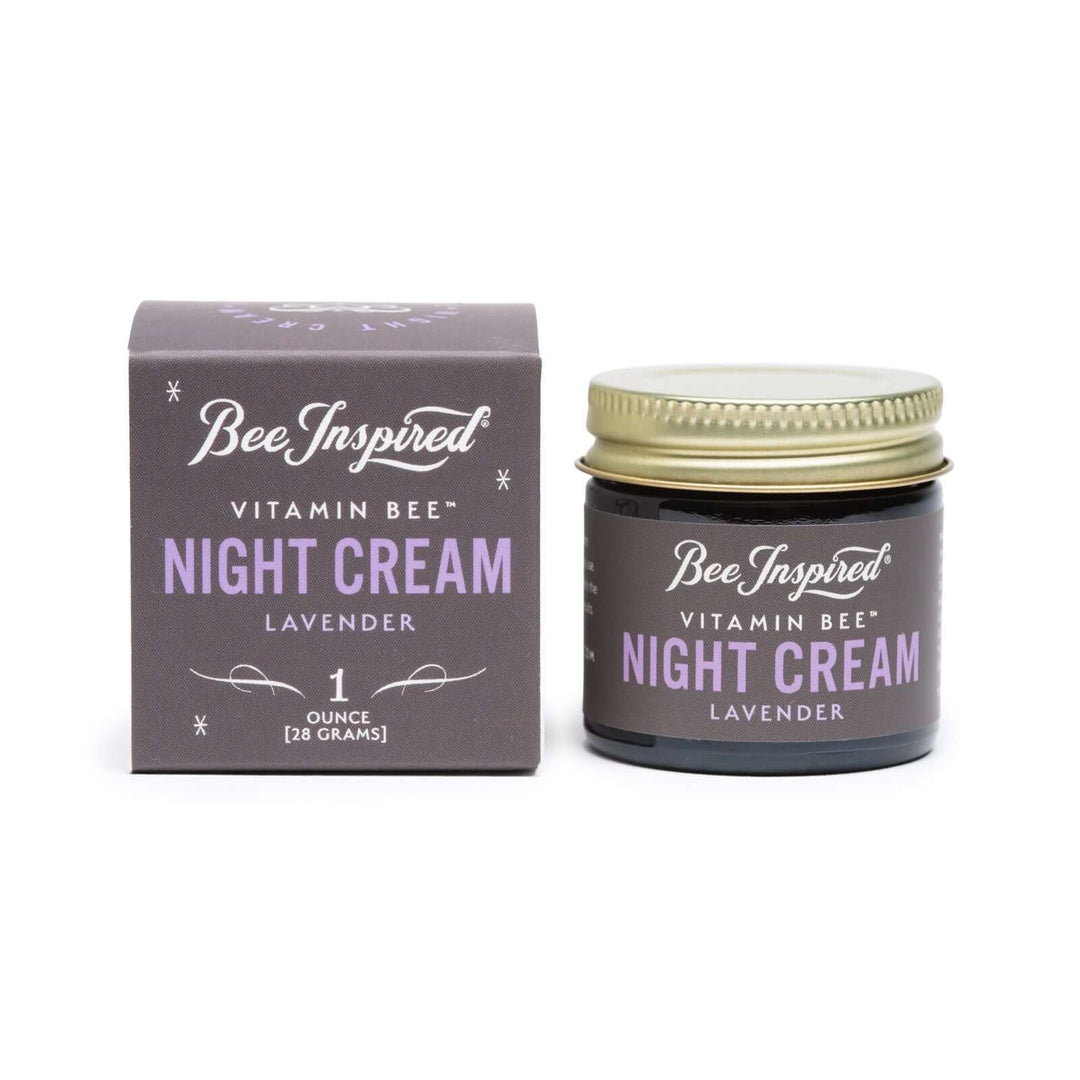
At Chesterhaven Beach Farm, we distill lavender water from our own harvest. That farm-distilled lavender is what goes into our skincare line — it means the lavender fragrance in our products comes from the same plants our bees pollinate, which feels like a complete kind of circle. The Peace of Mind Collection brings that farm lavender together with honey and nourishing botanicals across body butter, body scrub, night cream, massage candle, and bath soak — each one built around lavender's distinctive scent and honey's conditioning texture. Our Lavender Experience guide takes these lavender products and creates a self care ritual for ultimate relaxation.
For a DIY approach, our lavender body oil recipe and lavender milk bath recipe are both easy starting points. The body oil uses culinary-grade dried lavender infused into a carrier oil — the same kind of lavender you'd use in a recipe, which is part of what makes this pairing so satisfying. It's the same plant, doing different beautiful things.

Lavender Growing at Chesterhaven Beach Farm
Everything we make with lavender — every recipe, every skincare product, every lollipop — starts at the farm. We've grown more than 500 lavender plants along the driveway at Chesterhaven Beach Farm on Maryland's Eastern Shore, and we've spent years figuring out which varieties do well in our climate, how to harvest at peak fragrance, and what to do with every single bud. If you're thinking about growing your own, our guide to growing lavender in Maryland covers soil, variety selection, and care from someone who has made plenty of mistakes so you don't have to. We have also put together a list of ways to use lavender so you can get the most out of your harvest.
If you'd rather skip straight to enjoying it, our Lavender Honey Lollipops use culinary-grade lavender grown right here on the farm — the same variety and source that goes into our recipes. They're a simple, delightful way to experience exactly how lavender and honey taste together when the lavender is actually good.


FAQs About the Best Uses for Lavender and Honey
What does lavender honey taste like?
Lavender honey has a distinctly floral, slightly herbal flavor with a fragrant quality that sets it apart from milder varietals. The lavender character is present but not perfumed — if you've had lavender in shortbread, tea, or ice cream, the flavor is recognizable in that same register. The honey's sweetness rounds the herbal edge of lavender and carries the floral notes into a long, pleasant finish.
What is the best honey to use with lavender?
Light, floral honeys work best. Spring Honey from Chesterhaven Beach Farm is a natural match: it has its own floral, pollen-forward character from the lavender the bees pollinate each spring. For baking specifically, Linden Basswood Honey pairs beautifully with lavender because its herbal, complex depth layers with lavender rather than disappearing behind it. Avoid very robust, dark honeys like buckwheat when lavender is meant to be a prominent flavor.
How do you use lavender honey in cooking?
Lavender honey is excellent drizzled over yogurt, ricotta, or fresh fruit; stirred into herbal teas; used as a sweetener in baked goods like cakes and scones; folded into ice cream bases; or drizzled across a cheese board. It also works beautifully as a glaze for roasted vegetables or poultry when paired with fresh herbs. The key is choosing applications where the honey flavor is meant to be noticed — if it's going to get buried, use a simpler honey instead.
Can you use any lavender with honey?
For cooking and culinary use, always choose lavender specifically labeled as culinary-grade or food-safe — typically Lavandula angustifolia (English lavender). Decorative or craft lavender may have been treated with compounds not intended for food use, and some varieties have a higher concentration of bitter compounds that make them unpleasant to eat.
Is lavender honey good for baking?
Yes, lavender and honey is one of the most naturally suited pairings for baking. Honey adds moisture and depth to baked goods, and lavender's floral character survives moderate oven temperatures well. The combination shines in recipes where both flavors are meant to be tasted — loaf cakes, scones, shortbread, and glazes.
Where does Bee Inspired Goods get their lavender?
Bee Inspired Goods grows its own lavender at Chesterhaven Beach Farm on Maryland's Eastern Shore. The farm currently has more than 500 lavender plants — English lavender varieties chosen for culinary and fragrance quality. The bees pollinate that lavender each spring, which gives Spring Honey its distinctly floral, bright character. The same farm lavender goes into the Peace of Mind skincare collection, recipes, and Lavender Honey Lollipops.