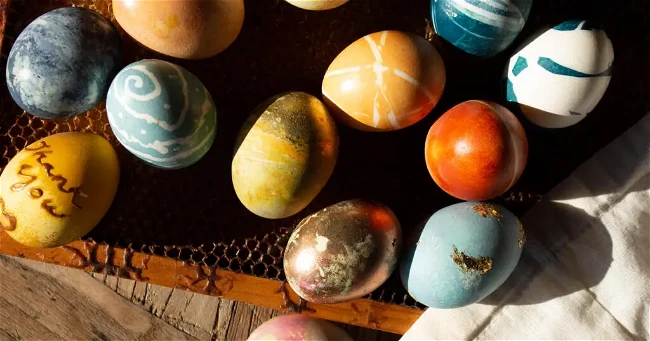




Celebrate Easter with vibrant, naturally dyed eggs created from kitchen ingredients you already have at home. Learn how to dye Easter eggs naturally using fruits, vegetables, and spices to create stunning colors while teaching children about science and connecting with sustainable traditions. Whether you're looking for an eco-friendly alternative to store-bought kits or want to start a meaningful family tradition, natural Easter egg dye creates beautifully unique results that commercial tablets simply can't match.
Why Choose Natural Easter Egg Dye?
Natural Easter egg dye offers several advantages over conventional dyeing kits. By using ingredients like red cabbage, turmeric, and beets, you avoid synthetic dyes while creating gorgeous earth-toned eggs with unique character. Each naturally dyed egg becomes a one-of-a-kind work of art, with subtle variations in color, texture, and pattern that reflect nature's artistry.

Beyond the aesthetic appeal, dyeing Easter eggs with food creates a wonderful educational opportunity. Children can observe how different plants produce unexpected colors—discovering that red cabbage creates stunning blue eggs, or that yellow onion skins produce deep salmon hues. This hands-on science experiment teaches patience, observation, and appreciation for natural processes while building lasting Easter memories.
Natural egg dyeing also supports environmental consciousness and sustainability, allowing you to transform kitchen scraps into vibrant dyes. Onion peels you'd normally discard, leftover beet juice, or pantry spices all become valuable dyeing materials. It's a perfect activity for families who value living in harmony with nature and making thoughtful, sustainable choices.

Getting Started: Essential Materials for Natural Easter Egg Dyeing
Before diving into how to dye Easter eggs naturally, gather these simple materials:
For Hard-Boiled Eggs:
- White eggs (for most vibrant colors) or brown eggs (for earthy, muted tones)
- Large pot for boiling
- Ice bath for cooling
For Natural Dye Creation:
- Fresh or dried dyeing ingredients (see color guide below)
- Water (4 cups per batch)
- White distilled vinegar (2 tablespoons per batch)
- Large saucepan or stockpot
- Fine mesh strainer or sieve
- Mason jars or glass containers for dye storage
For Decorating:
- Rubber bands, kitchen twine, or string
- Fresh flowers, leaves, or herbs from your garden
- Beeswax for resist patterns
- Old pantyhose or cheesecloth
- Paper towels or clean kitchen towels
White eggs display natural dye colors more vibrantly than brown eggs, making them ideal for your first natural egg dyeing experiment. However, brown eggs create beautifully muted, earthy tones that have their own unique charm.

Complete Natural Easter Egg Dye Color Guide
One of the most exciting aspects of dyeing Easter eggs with food is discovering which kitchen ingredients create which colors. Here's your comprehensive guide to natural Easter egg dye colors, organized by the stunning hues they produce:
Blues and Purples
Red Cabbage (Light Blue to Deep Teal)
- Use 1 cup chopped purple cabbage per cup of water
- Creates robin's egg blue on white eggs
- Produces sage green on brown eggs
- Adjusting soak time creates shades from pale blue to deep navy
Blueberries (Blue-Gray with Purple Undertones)
- Use 1 cup fresh or frozen blueberries per cup of water
- Creates marbled, mottled effects
- Combine with red cabbage for deeper blue tones
Hibiscus Tea (Deep Purple to Charcoal)
- Use 5 bags hibiscus tea per cup of water, or try Midnight Berry Hibiscus Tea for rich color
- Produces rich, dark purple hues
- Creates dramatic, jewel-toned eggs
Yellows and Oranges
Turmeric (Vibrant Golden Yellow)
- Use 2 tablespoons turmeric powder per cup of water
- Produces the most vivid, sunshine yellow
- Works quickly—color sets in just a few hours
- Creates deep gold on brown eggs
Yellow Onion Skins (Golden Orange to Deep Salmon)
- Use 1 cup dried onion skins per cup of water
- Produces warm, peachy orange tones
- Color deepens dramatically with longer soaking
- Save onion peels in a paper bag for several weeks before Easter
Reds and Pinks
Red Beets (Pink to Deep Magenta)
- Use 1 cup chopped beets per cup of water
- Creates soft pink to deep rose colors
- Soak overnight for richest color
- Fresh beet juice creates more intense colors than cooked beets
Raspberries (Dusty Pink)
- Use 1 cup fresh or frozen raspberries per cup of water
- Produces delicate, muted pink tones
- Combine with beet juice for brighter reds
Red Onion Skins (Coral to Russet)
- Use 1 cup red onion skins per cup of water
- Creates unique reddish-brown tones
- Produces coral and salmon hues on white eggs
Browns and Tans
Coffee (Rich Chocolate Brown)
- Use 4 cups strong brewed coffee
- Creates classic tan to deep brown eggs
- Perfect for rustic, natural looks
- No additional cooking needed—just brew and cool
Black Tea (Light Tan to Honey Brown)
- Use 4-5 black tea bags per cup of water
- Produces soft, warm brown tones
- Creates subtle, elegant eggs
Greens (The Elusive Natural Color)
Creating true green with natural Easter egg dye requires creativity:
- Double-Dipping Method: Dye eggs yellow (turmeric) first, dry completely, then dip in blue (red cabbage)
- Spinach or Parsley: Use 2 cups fresh greens, though results are often more yellow-green than true green
- Combination Dying: Layer yellow onion skins with red cabbage for sage green tones
Step-by-Step Guide: How to Dye Easter Eggs Naturally
Follow this comprehensive process to create stunning naturally dyed Easter eggs:
Step 1: Hard Boil Your Eggs
- Place eggs in a single layer in a large pot
- Cover with cold water, filling 1-2 inches above the eggs
- Bring water to a rolling boil over high heat
- Once boiling, cover pot and remove from heat
- Let eggs sit covered for 10-12 minutes
- Transfer eggs to an ice bath to stop cooking
- Let eggs cool completely to room temperature
Pro Tip: Eggs that are 7-10 days old peel more easily than very fresh eggs. However, since we're dyeing the shells, not eating them immediately, freshness matters less for this project.

h3>Step 2: Prepare Your Natural Dyes
For Vegetables and Fruits:
- Chop or crush your dyeing ingredient (1 cup per cup of water)
- Place ingredients in a saucepan with 4 cups water
- Bring mixture to a boil over high heat
- Reduce heat and simmer for 30-45 minutes
- The dye should be several shades darker than your desired egg color
- Remove from heat and let cool to room temperature
For Spices (Turmeric or Paprika):
- Add 2 tablespoons spice per cup of water
- Bring to a gentle boil, stirring to dissolve
- Simmer for 15-20 minutes
- Cool completely before using
For Tea or Coffee:
- Brew extra-strong tea (5 bags per 4 cups) or coffee
- Let cool completely
- No additional simmering needed

Tea Dyeing Tips: While any strong black tea will work, you can experiment with different tea varieties for subtle color variations. Raven Earl Grey Tea with Lavender creates beautiful gray-brown tones with a subtle floral aroma that makes the dyeing process even more enjoyable.

Step 3: Strain and Add Vinegar
- Use a fine-mesh strainer to remove all plant material from dye
- Pour strained liquid into clean glass jars or containers
- Add 2 tablespoons white distilled vinegar per 4 cups of dye liquid
- Stir well to combine
Why Vinegar Matters: The acidic vinegar reacts with the calcium carbonate in eggshells, breaking down the protective bloom layer and allowing natural dyes to penetrate and adhere to the shell surface. This chemical reaction is what makes your natural colors vibrant and long-lasting.

Step 4: Dye Your Eggs
- Gently place cooled hard-boiled eggs into dye baths
- Ensure eggs are completely submerged (add water if needed)
- Place jars in refrigerator to prevent bacterial growth

Dyeing Time Guidelines:
- Quick Colors (1-3 hours): Turmeric, coffee
- Medium Colors (3-8 hours): Beets, yellow onion skins
- Deep, Rich Colors (8-24 hours): Red cabbage, hibiscus tea, red onion skins
Check your eggs periodically. The longer they soak, the deeper and more saturated the color becomes. For lightest, pastel shades, soak for just 1-2 hours. For vibrant, jewel-toned eggs, let them steep overnight.
Step 5: Dry and Finish
- Remove eggs from dye using a slotted spoon
- Place on a wire cooling rack or towel to air dry completely
- Do not rub eggs while wet—let them dry naturally to prevent color from rubbing off
- Once completely dry, polish eggs with a small amount of vegetable oil for beautiful shine
- Buff with a clean, soft cloth to remove excess oil

Creative Natural Egg Decorating Techniques
Elevate your natural Easter egg dyeing with these artistic decoration methods:
Beeswax Resist Patterns
Just as artisans create traditional Ukrainian pysanky eggs, you can use beeswax to create stunning resist patterns on your naturally dyed eggs:
- Use a kistka tool or toothpick dipped in melted beeswax
- Draw patterns, dots, or lines on your egg before dyeing
- Dye the egg in your natural dye bath
- Gently heat the egg near (not over) a candle flame
- Wipe away melted wax to reveal the undyed pattern beneath
This technique pairs beautifully with honey-based crafts and natural materials, creating eggs that celebrate both traditional artistry and sustainable practices. After your egg dyeing session, relax with a cup of calming Good Night Chamomile Lavender Tea sweetened with raw honey.
Botanical Print Method
Create delicate leaf and flower impressions on your eggs:
- Select small, flat flowers, ferns, or herbs with distinct shapes
- Dip botanical materials in water to make them slightly sticky
- Press firmly against the egg surface
- Cut a square of old pantyhose or cheesecloth
- Stretch fabric tightly around egg, securing with rubber band or twine
- Dye as normal
- Once dry, carefully remove fabric and plant material
Perfect botanicals include: small ferns, parsley leaves, cilantro, clover, small flower petals, and delicate grasses.
Rubber Band and String Patterns
Create modern, geometric designs:
- Wrap rubber bands in various patterns around eggs
- Try crossing bands, parallel lines, or random wrapping
- Wind kitchen twine in spiral patterns
- Dye eggs with materials firmly in place
- Remove bands/string once eggs are completely dry
The resist patterns create striking two-toned effects, especially beautiful when double-dipping in multiple colors.
Tie-Dye Effects
For vibrant, multi-colored eggs:
- Dye eggs in lightest color first (yellow with turmeric)
- Let dry completely—at least 2 hours
- Dip partially in second color (red cabbage for blue)
- Experiment with overlapping colors to create greens, purples, and oranges
Marbled and Spattered Effects
Create artistic, abstract patterns:
- Place drops of vegetable oil in dye bath before adding eggs
- Gently swirl with a spoon to create marbled patterns
- Use a toothbrush to spatter contrasting dye colors onto dried eggs
- Apply dye with paintbrushes for watercolor effects

Troubleshooting Natural Easter Egg Dye
Colors Not Bright Enough?
Solutions:
- Use more dyeing material (2 cups per 4 cups water instead of 1 cup)
- Simmer dye longer to concentrate color
- Soak eggs for 24 hours instead of just a few hours
- Double or triple-dip eggs, drying completely between dips
- Start with room-temperature eggs rather than cold eggs
Uneven or Splotchy Coloring?
This is actually a feature, not a bug! Natural dyes create uniquely patterned eggs because eggshells have varying calcium carbonate distribution. These organic variations are what make naturally dyed eggs so beautiful and special—each one is truly unique.
If you prefer more even coloring:
- Gently wipe eggs with diluted vinegar before dyeing to remove protective bloom
- Keep eggs submerged and motionless during dyeing
- Don't overcrowd jars—give each egg space
Dye Not Sticking?
Common causes:
- Not enough vinegar in dye bath (add 1 more tablespoon)
- Eggs still have bloom coating (wipe with soapy water and rinse)
- Dye too weak (simmer longer to concentrate)
- Eggs too cold (bring to room temperature first)
Colors Fading After Drying?
Natural dyes often appear darker when wet. Some fading is normal, but to minimize:
- Soak eggs longer for deeper initial color
- Polish with vegetable oil to enrich and preserve color
- Store dyed eggs in refrigerator, away from direct sunlight

Natural Easter Egg Dye Safety and Food Safety
Important Safety Note: Eggs dyed using the natural methods in this guide soak for extended periods at temperatures that may allow bacterial growth. While the eggs are technically edible, we recommend using naturally dyed eggs primarily for decorative purposes rather than consumption.
For the safest approach:
- Keep dyed eggs refrigerated at all times
- If eggs have been out of refrigeration for more than 2 hours, do not eat them
- Use eggs for decorative purposes only if dyed overnight at room temperature
- Always follow proper food safety guidelines when handling eggs
If you want to eat your naturally dyed eggs:
- Dye them in the refrigerator for all soaking time
- Keep total unrefrigerated time under 2 hours
- Consume within one week
- Skip botanical decorations that require removing plant material, as this can introduce bacteria

Making Natural Easter Egg Dyeing a Family Tradition
Natural Easter egg dyeing creates meaningful moments that combine creativity, science, and sustainable living. This hands-on activity offers multiple benefits:
Educational Opportunities:
- Color theory and mixing (yellow + blue = green)
- pH science (vinegar's role in dye adhesion)
- Plant biology (which parts of plants contain pigments)
- Patience and delayed gratification
- Observation and prediction skills
Family Bonding:
- Multi-generational activity perfect for grandparents to great-grandchildren
- Opportunities for storytelling about Easter traditions
- Creative collaboration on egg designs
- Shared anticipation while waiting for colors to develop
Sustainable Living Lessons:
- Repurposing kitchen scraps into art supplies
- Avoiding chemical dyes and synthetic materials
- Connecting with seasonal, natural rhythms
- Creating environmentally conscious celebrations

Celebrating Easter Naturally with Bee Inspired Goods
As you embrace natural egg dyeing this Easter, consider extending that same thoughtful, sustainable approach to your entire spring celebration. At Bee Inspired Goods, we believe in honoring seasonal transitions with natural, handcrafted products that connect you to the rhythms of nature.
Create alternative Easter baskets filled with honey lollipops, natural lip care, and artisanal tea instead of plastic eggs and synthetic candy. Pair your naturally dyed eggs with a spring-scented soy candle to set the mood for your Easter egg hunt. Consider Peace of Mind Lavender products for creating calm, peaceful Easter morning moments.
Our raw Eastern Shore honey makes the perfect addition to your Easter brunch, drizzled over hot cross buns or stirred into morning tea. Start your Easter morning with energizing Good Morning Caffeinated Black Tea or Sunrise Assam Tea, both perfectly complemented by a drizzle of Wildflower Honey. For a calming afternoon break during egg decorating, brew a pot of Beautea Ginger Turmeric Tea or the naturally sweet Bee's Knees Honeybush Tea. And after a day of egg dyeing and spring celebrations, treat yourself to a relaxing evening with our natural body care products made with honey, botanical oils, and essential ingredients.
Natural Easter Egg Dye FAQ
Can I use natural Easter egg dye on brown eggs?
Yes! Brown eggs create beautiful, muted earth tones. Yellow becomes deep gold, blue becomes sage green, and red becomes rich burgundy. While colors won't be as vibrant as on white eggs, the rustic, natural appearance is stunning.
How long do naturally dyed Easter eggs last?
Refrigerated, hard-boiled eggs dyed with natural dyes last approximately one week. For decorative eggs only, they can last several weeks if kept cool and dry.
Can I eat eggs dyed with natural Easter egg dye?
Technically yes, since all dye ingredients are food-based. However, because eggs soak for extended periods, we recommend using naturally dyed eggs primarily for decoration rather than consumption, especially if they've been at room temperature.
Do I need vinegar for natural egg dyeing?
Yes! Vinegar is essential for natural Easter egg dye. The acid reacts with eggshells to help colors adhere and penetrate. Without vinegar, colors will be very pale and may not stick at all.
What's the best natural Easter egg dye for kids?
Turmeric creates the fastest, most vibrant results, perfect for impatient children. Coffee and red cabbage are also easy to work with and produce reliably beautiful colors.
Can I save and reuse natural Easter egg dye?
Yes! Store strained, cooled dye in sealed jars in the refrigerator for up to one week. Colors may be slightly less intense on subsequent uses.
Why are my naturally dyed eggs not vibrant?
Common causes: insufficient dyeing material, not enough soak time, missing vinegar, or eggs too cold. For vibrant color, use 2 cups dyeing material per 4 cups water, add 2 tablespoons vinegar, and soak overnight.
Can I use natural egg dye for other crafts?
Absolutely! Natural dyes work beautifully on fabric, paper, wood, and other porous materials. Experiment with dyeing natural fibers and creating spring crafts beyond eggs.
Embrace the Beauty of Natural Easter Traditions
Learning how to dye Easter eggs naturally connects us to centuries of tradition while creating unique, beautiful eggs that reflect nature's artistry. Each naturally dyed egg tells a story—of plants transformed into color, of patient waiting rewarded with vibrant results, of families creating memories together in the kitchen.
This Easter, embrace the mess, unleash your creativity, and start a cherished family tradition that celebrates both the joy of the season and respect for the natural world. Whether you're dyeing eggs with turmeric's sunshine yellow, red cabbage's mysterious blue, or beet juice's rosy pink, you're participating in an ancient art form that transforms simple ingredients into extraordinary beauty.
We'd love to see your naturally dyed Easter egg creations! Check out more sustainable seasonal celebrations and natural recipes on our blog.
Happy natural Easter egg dyeing!