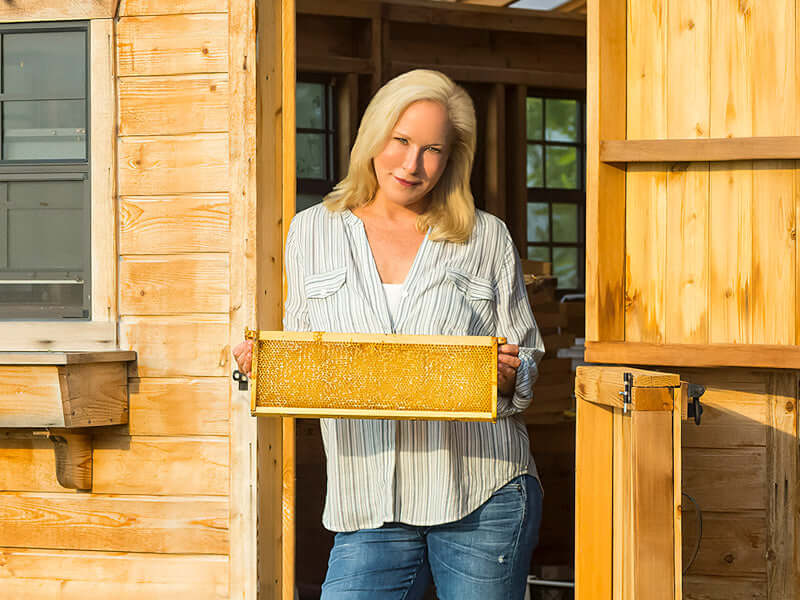




Fresh fig season is here, and I couldn't be more excited to share my favorite fresh fig recipes with honey. After tending our fig tree on Chesterhaven Beach Farm for more than a decade, I've worked out a small but reliable collection of ways to use these naturally sweet fruits. Whether you're new to cooking with fresh figs or you're staring at a bowl of them and wondering what to do, this roundup pulls together our five favorite fig and honey recipes in one place.
What Makes Fresh Figs Worth Cooking With
Fresh figs are one of the oldest cultivated fruits in the world. Some historians trace fig cultivation as far back as 5,000 BC, and figs show up in everything from the Bible to Homer's Odyssey. They have a soft, jammy texture, a delicate honeyed sweetness, and a beautiful color that ranges from pale green to deep purple depending on the variety.
The most common varieties you'll find at farmers markets are Brown Turkey, Black Mission, Kadota, and Adriatic. Brown Turkey figs, the variety we grow on the farm, are a favorite for fresh eating: firm enough to slice cleanly, soft enough to spoon over toast, and naturally sweet in a way that pairs beautifully with raw honey.

When Are Fresh Figs in Season?
Fresh fig season runs from late summer through early fall, with peak ripeness between August and October depending on where you live. Here on Maryland's Eastern Shore, we usually see two distinct harvests: a small early crop in June and July (called the breba crop), and the main harvest in late summer, August through September. The main harvest is the bigger event, the one where the tree gives us so many figs we can barely keep up.

5 Fresh Fig Recipes with Honey
1. Honey Fig Smoothie
This is the recipe I make most often during fig season, and the one I rely on year-round once I've stashed a bag of frozen figs in the freezer. It blends frozen figs with Spring Honey, almond milk, and half a banana into something that genuinely tastes like summer.
What you'll need:
- 4 to 5 frozen fresh figs
- 1 tablespoon Spring Honey
- 1 cup almond milk (or oat milk, coconut milk, your preference)
- 1/2 banana
- Handful of spinach (optional)
Blend until smooth. The figs and honey are sweet enough that you can hide a handful of greens in there with no bitterness coming through.

2. Honey Pepper Fresh Figs
This is the five-minute appetizer that has saved more than one impromptu dinner on the farm. Halve fresh figs, drizzle with Spring Honey, and add a single pinch of cracked black pepper. The pepper does something quietly magical: it sharpens the figs' sweetness instead of competing with it, the way a pinch of salt does on a piece of dark chocolate.
How to make it:
- Slice fresh figs in half lengthwise
- Arrange cut side up on a small platter
- Drizzle with Spring Honey
- Finish with a pinch of fresh cracked black pepper
- Serve right away

3. Fresh Fig Compote
Most compotes are built around dried fruit. Ours uses fresh figs at peak ripeness, so the texture stays jammy without turning into syrup. It's the recipe I reach for when the tree is giving us more figs than we can eat in a week. The compote keeps in the fridge for about ten days and is exceptional spooned over Greek yogurt, layered onto toast with goat cheese, or dolloped onto a cheese board.
Key ingredients:
- 2 pounds fresh figs, quartered
- 1/2 cup Spring Honey
- 1/4 cup water
- Optional: fresh thyme, a strip of lemon zest, or a pinch of cinnamon

4. Fig Focaccia
This is the recipe to make when you want to put something on the table that looks like you spent all afternoon on it. Soft focaccia dough, fresh figs pressed into the surface, fresh herbs, a drizzle of olive oil and honey, finished with flaky salt. Pair it with our apple cider mulled wine for a fall gathering, or with crisp white wine on a late-summer evening. If fresh figs aren't around, dried figs work too, soaked briefly in warm water first.

5. Goat Cheese Fig Crostini
"Crostini" is Italian for "little crusts," which is exactly what this is: thin slices of toasted baguette topped with creamy goat cheese, sliced fresh figs, fresh herbs, and a drizzle of honey. It's the appetizer we serve every August on the farm, sometimes for weeks in a row, and somehow no one gets tired of it.
Basic method:
- Toast thin slices of baguette until lightly golden
- Spread with fresh goat cheese while still warm
- Top with halved or sliced fresh figs
- Drizzle with Spring Honey
- Garnish with fresh thyme, rosemary, or a few chopped walnuts

How to Pick the Best Fresh Figs
Look for soft, not mushy. A ripe fig should give slightly when you press it, the way a perfectly ripe peach does. If it's hard, it's underripe. If it's leaking juice or has a fermented smell, it's past its window.
Check the skin. Smooth skin without cracks or dark bruises is what you want. A small split at the bottom is fine and often a sign of ripeness, but avoid ones with broken skin across the body of the fruit.
Smell the stem end. A ripe fig has a faint, sweet, almost honeyed aroma right at the stem. No smell usually means underripe.
How to Store Fresh Figs
Fresh figs are delicate and don't keep long. Plan to use them within two to three days of picking or buying. Store them unwashed in the fridge in a single layer on a paper-towel-lined plate or shallow container. Don't pile them up: figs bruise themselves when they sit on top of each other. Bring them to room temperature for about 15 minutes before serving so the flavor opens up fully.
How to Preserve Fresh Figs for Year-Round Use
Freezing. Easily our most-used method. Wash whole figs, dry thoroughly, lay flat on a sheet pan to freeze, then transfer to freezer bags. Frozen figs go straight into smoothies or thaw beautifully for compote.
Dehydrating. A home dehydrator (or a low oven, around 140 degrees) turns fresh figs into chewy dried figs that keep for months. Halve before drying for faster results.
Compote and preserves. Our fresh fig compote is the simplest way to capture peak-season figs in jars. Cooked down with honey, it lasts in the fridge for ten days or freezes well for several months.
Pairing Honey with Fresh Figs
The honey you use matters. Our Spring Honey, with its bright, floral character, is the one we reach for most often with figs. The honey's lightness lets the fruit taste like itself rather than being buried under a heavier sweetener. For a richer pairing, try our Wildflower Honey, which carries deeper notes of anise, black cherry, and roasted nuts that play well with the jammy quality of ripe figs.
If you're new to varietal honey, our complete guide to honey varietals walks through the flavor profiles side by side.

More Ways to Enjoy Fresh Figs with Honey
Once you've worked through the five recipes above, fresh figs are surprisingly versatile across both sweet and savory. A few simple combinations worth trying:
- Salads. Sliced fresh figs over arugula with goat cheese and a honey lemon vinaigrette.
- Pizza. Fresh figs, prosciutto, fresh mozzarella, and a finishing drizzle of honey on a thin crust.
- Dessert. Halved fresh figs over vanilla ice cream with a generous pour of honey and chopped walnuts.
- Cheese boards. Fresh figs alongside aged cheeses, with a honeycomb charcuterie setup for the full effect. Our honey and cheese pairing guide covers which honey works with which cheese.
- Baked goods. Folded into muffins, layered into tarts, or stirred into a quick bread batter.
Making the Most of Fresh Fig Season
Fresh figs have one of the shortest seasons of any fruit we cook with, which is part of what makes them feel special. From a five-minute honey pepper appetizer to a slow-baked focaccia, these recipes are designed to celebrate that short window without overcomplicating it. Whether you're picking from your own tree, hauling home a flat from the farmers market, or rationing the last of a grocery store haul, the underlying instruction is the same: pair them with quality honey, don't overthink it, and eat them while they're at their peak.
Each recipe here can be adjusted to your taste. Use more honey, less honey, swap in a different varietal, layer in fresh herbs, try a different cheese on the crostini. The recipes are starting points, not rules.
Ready to put fresh figs and raw honey to work in your kitchen? Browse our complete Eastern Shore Honey Collection and find the varietal that fits your fig harvest.
Fresh Fig Recipes FAQ
What are the best fresh fig recipes with honey?
Five recipes consistently come out of our kitchen during fig season: a fig smoothie blended with frozen figs and Spring Honey, a five-minute honey pepper appetizer, a fresh fig compote, fig focaccia for entertaining, and goat cheese fig crostini. All five pair fresh figs with raw honey and use simple, accessible ingredients.
When are fresh figs in season?
Fresh fig season runs from late summer through early fall, with peak ripeness from August through October. On Maryland's Eastern Shore we see two harvests: a small early breba crop in June and July, and the main harvest in August and September.
How do you pick a ripe fresh fig?
A ripe fig should feel soft when you press it gently, but not mushy or leaking juice. The skin should be smooth without large cracks or dark bruises. Ripe figs also give off a faint, sweet aroma at the stem end. Hard figs with no smell are usually underripe.
How do you store fresh figs?
Use fresh figs within two to three days of buying or picking them. Store them unwashed in the fridge in a single layer on a paper-towel-lined plate or shallow container, and don't pile them up because they bruise easily. Bring them to room temperature for about 15 minutes before serving so the flavor opens up.
Can you freeze fresh figs?
Yes. Wash whole figs, dry them thoroughly, lay them flat on a sheet pan to freeze, then transfer to a freezer bag once solid. Frozen figs go straight into smoothies and thaw well for compote. Freezing is our most-used preservation method on the farm.
What kind of honey goes best with fresh figs?
Lighter, floral honeys work especially well with the delicate sweetness of fresh figs. Our Spring Honey is the one we reach for most often. For a richer pairing with deeper notes, our Wildflower Honey carries flavors of anise, black cherry, and roasted nuts that complement jammy ripe figs.
What can you do with too many fresh figs?
If your fig tree is producing more than you can eat fresh, the easiest options are freezing whole figs for smoothies, dehydrating halves for chewy dried figs, or making a batch of fresh fig compote that keeps in the fridge for about ten days or freezes for several months.
Are fresh figs and dried figs interchangeable in recipes?
Sometimes, but not always. Dried figs work well in baked goods, compotes, and recipes where the figs are cooked down. Recipes that rely on the soft, jammy texture of fresh figs, like crostini or honey pepper figs, don't translate well to dried. If you're substituting dried figs in a baked recipe, soak them in warm water for about 15 minutes first to soften.