

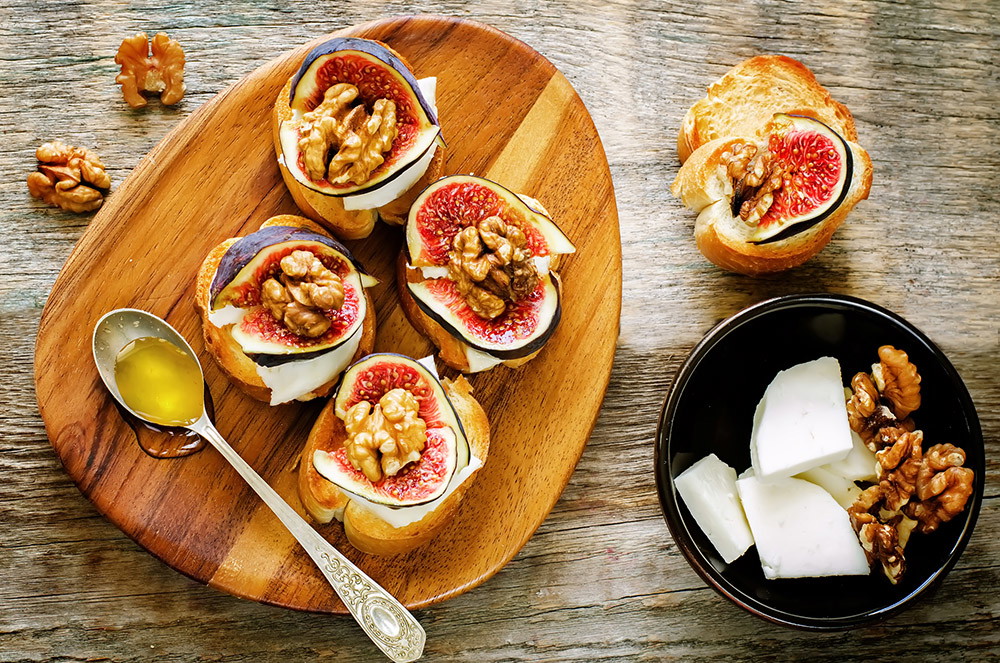
Goat cheese fig crostini is the kind of appetizer that looks like you fussed but actually comes together in about twenty-five minutes, start to finish. Toasted baguette, a smear of fresh chèvre, ripe figs roasted until they slump into the cheese, and a finishing drizzle of minimally filtered honey — that's the whole thing. The result is rich, sweet, salty, and a little bit floral, which is why it has been on my late-summer entertaining rotation for over a decade.
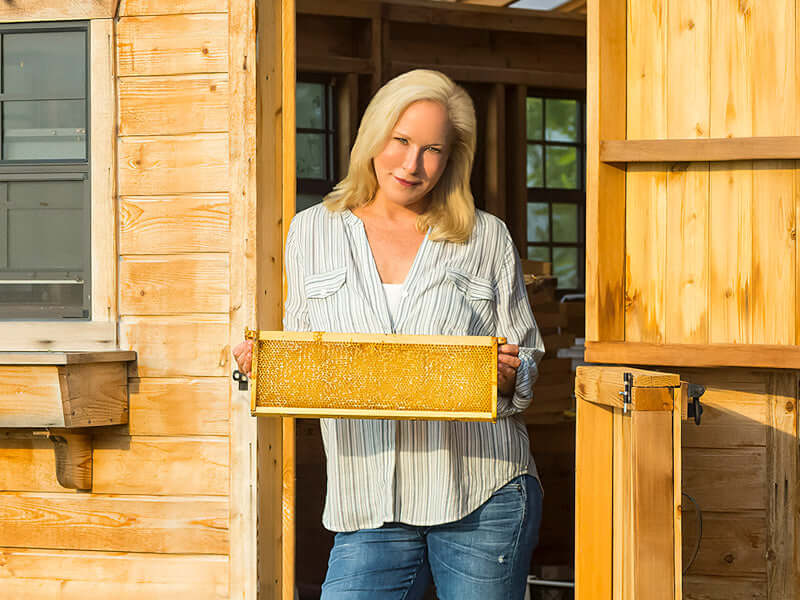
I learned this dish from my dear friend Joyce Wallace, who served it at one of her summer garden dinner parties on the Eastern Shore. The recipe has barely changed since. What has changed is the honey we use: I now finish every single one with a drizzle of our Spring Honey from our farm, which is bright and floral enough to hold its own next to the tang of fresh goat cheese without overpowering the figs.

Why Figs and Honey Belong Together
Figs are one of the few fruits that taste better with a sweet finish than they do alone, and honey is the obvious partner. Both come from the same late-summer landscape — figs ripening on the tree at the exact moment our bees are still pulling nectar from wildflowers and clover — and the floral notes in minimally filtered honey echo the jammy depth of a ripe fig in a way that white sugar simply cannot replicate.
"If you have figs to use up before they go soft, the full collection of fig recipes on the blog covers honey roasted figs, a fig smoothie, fig focaccia with honey, fig compote, honey pepper fresh figs, and a handful of other ways to enjoy them."
This fig crostini recipe is the one I make most often when company is coming, because nothing else on the list is faster.

Ingredients You'll Need
This recipe is only as good as the ingredients, so a quick trip to the farmers market or a good cheese counter makes a real difference.
- 1 baguette, sliced into twelve ½-inch rounds — a fresh bakery baguette is ideal, but a frozen specialty-market baguette works in a pinch.
- 2 tablespoons extra virgin olive oil
- 6 ounces fresh goat cheese (chèvre), at room temperature — soft, spreadable goat cheese is what you want here, not aged.
- 6 large ripe fresh figs, each cut into quarters — Brown Turkey or Black Mission both work beautifully.
- 2 tablespoons Bee Inspired Spring Honey, for finishing
- 1 tablespoon fresh thyme leaves (rosemary works as a substitute)
- Coarse sea salt and freshly cracked black pepper, to taste
- Toasted walnut pieces, optional — skip if any guest has a nut allergy.
How to Make Goat Cheese Fig Crostini
Step 1: Toast the Baguette
Preheat the oven to 450°F and line a sheet pan with parchment. Arrange the baguette slices in a single layer, then drizzle each one lightly with olive oil. The high heat is what gives the bread a crisp edge while the cheese and figs warm through above it.
Step 2: Layer the Cheese and Figs
Spread a generous teaspoon of fresh goat cheese onto each slice. Top with two fig quarters, cut sides up, so the figs release their juices into the cheese as they roast. Sprinkle each crostini with thyme, a pinch of coarse salt, and a few cracks of black pepper. If you are using walnuts, add them now.
Step 3: Roast and Finish with Honey
Roast for 12 to 15 minutes, until the goat cheese is softened, the figs have begun to slump, and the baguette edges are golden. Pull the pan from the oven and immediately drizzle each crostini with Spring Honey while everything is still warm — the heat helps the honey settle into every crevice. Serve right away.

Which Honey Should You Use?
Any minimally filtered honey will work here, but the variety changes the character of the dish. Spring Honey is my default — bright, floral, and balanced enough to read clearly against the goat cheese without overwhelming the figs. If you want to experiment, our cheese and honey pairing guide walks through which varietals work best with different cheeses.
For something more pronounced: Wildflower Honey brings notes of anise and roasted nuts that complement the walnuts if you are using them. Sourwood Honey, with its buttery, burnt-caramel finish, is the choice when you want guests to notice the honey itself. Blackberry Blossom Honey adds a fruity, jammy note that doubles down on the figs.
Make-Ahead and Serving Notes
Fresh figs are delicate and only sit happily on the counter for a day or two, so plan to assemble these the day you serve them. The baguette can be sliced ahead and stored in a paper bag at room temperature; the goat cheese should come out of the refrigerator about thirty minutes before assembly so it spreads cleanly. Roast the crostini just before guests arrive — they are at their best within the first ten minutes out of the oven.
If you are building a larger spread, this crostini sits nicely alongside a honeycomb charcuterie board or a few of the other snacks with honey we put together for company.
If you make this recipe, snap a photo and tag #beeinspired on Instagram. We love seeing what you put together with our honey.
Goat Cheese and Fig Crostini
Kara
6
10 minutes
15 minutes
336
AMERICAN
APPETIZER
This is a quick and delicious appetizer to serve to your guests at the height of fig season!
Ingredients
- 2 tbsp. olive oil
- 6 large ripe figs
- 6 oz fresh goat cheese
- 6 tbsp whole walnut pieces optional for garnish
- 1 tbsp. fresh herbs chopped
- pinch coarse salt
- pinch black pepper
- 1/2 tsp. Bee Inspired Honey
- 1 baguette warmed and sliced
Directions
Preheat oven to 450 degrees.
- Arrange sliced baguette on baking tin.
- Drizzle with olive oil.
- Place sliced goat cheese on top of baguette.
- Place figs cut side up onto cheese slices.
- Sprinkle fresh herbs on top.
- Roast for about 12-15 minutes until the cheese and figs soften.
- Drizzle with honey.
FAQs About Goat Cheese Fig Crostini with Honey
What kind of figs work best for goat cheese fig crostini?
Brown Turkey, Black Mission, Kadota, and Adriatic figs all work beautifully. Look for figs that feel soft to the touch but not mushy, with smooth skin free of cracks or dark spots. Ripe figs will have a sweet aroma at the stem end. Whatever variety you choose, use them within two to three days of purchase for the best flavor.
Can I make goat cheese fig crostini ahead of time?
The components can be prepped ahead, but the crostini themselves are best assembled and roasted right before serving. Slice the baguette and store it in a paper bag at room temperature, bring the goat cheese to room temperature about thirty minutes before assembly, and have your figs cleaned and quartered. The roasted crostini are at their best within ten minutes of leaving the oven.
What is the best honey for fig and goat cheese?
Spring Honey is our default — its bright, floral character balances the tang of fresh goat cheese without overpowering the figs. Wildflower Honey adds depth with notes of anise and roasted nuts. Sourwood Honey, with its buttery burnt-caramel finish, is the choice when you want the honey itself to be a talking point. For something fruit-forward, Blackberry Blossom Honey doubles down on the jammy quality of the figs.
Can I use dried figs instead of fresh?
Fresh figs are strongly preferred — they soften and release their juices into the goat cheese in a way dried figs cannot replicate. If fresh figs are not available, a fig compote or jam works as a stand-in: spread a thin layer over the goat cheese before roasting. The flavor is different, but the dish still works.
How many crostini does this recipe make?
The recipe yields twelve crostini, enough for six servings of two crostini each. As an appetizer for a larger gathering of eight to ten guests, plan to double the recipe.
Is goat cheese fig crostini gluten-free?
The recipe as written uses a wheat baguette and is not gluten-free. To adapt: substitute a sturdy gluten-free baguette or sliced gluten-free crackers, brushing with olive oil and toasting just until golden before adding the cheese and figs. Reduce roasting time to about eight minutes since gluten-free bread browns faster.