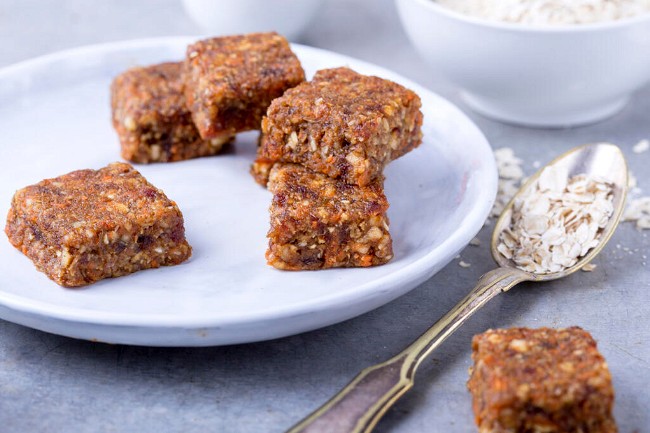




There's something truly magical about carrot cake. Vegetables in a dessert? It sounds like it shouldn't work - and yet the first bite always proves that it absolutely does. I have loved carrot cake since childhood, and these honey carrot cake bars carry that same nostalgic warmth, just in a shape that's easier to make, serve, and snack on throughout the week.

When our team member Abbie introduced this recipe, she created it from scratch - her very first honey recipe experiment - and knocked it out of the park. The result is a batch of gluten-free carrot cake bars sweetened with raw honey and topped with a creamy cashew frosting that's completely dairy-free. No refined sugar, no cream cheese, no fuss. Just a tray of golden, spiced bars that disappear faster than you'd expect.
These make a perfect spring baking project, a crowd-pleasing Easter dessert, or an afternoon snack that feels a little more special than your average grab-and-go option. And because they're made in a 9x13 pan and sliced into bars, there's none of the fuss that comes with a layered cake. Bake, frost, slice, done.
Why This Recipe Works
Most carrot cake bar recipes rely on refined sugar, butter, and cream cheese frosting. This one takes a different approach - and each swap is intentional.
Honey Instead of Sugar
Raw honey is a natural humectant, meaning it attracts and holds onto moisture. This is why these bars stay remarkably soft and tender even after a couple of days in the fridge, long after a sugar-sweetened version would start to dry out. Honey also brings its own warmth and floral depth that granulated sugar simply can't replicate - it amplifies the cinnamon and nutmeg rather than just adding sweetness. For a full explanation of how honey behaves in baking, our complete guide to baking with honey breaks it all down.
Coconut Oil Instead of Butter
Coconut oil keeps these bars dairy-free from the start and adds a subtle richness without weighing down the texture. It also contributes to the bars' golden color as they bake.
Gluten-Free Flour
The recipe works beautifully with a standard 1:1 gluten-free flour blend, which means more people at the table can enjoy them without any modifications.
Cashew Cream Instead of Cream Cheese Frosting
Soaked raw cashews blended with honey, cinnamon, coconut oil, and lemon juice create a frosting that's thick, creamy, and lightly sweet - without any dairy. It sounds surprising, but once you taste it, it makes complete sense.
Flax Meal as a Binder
The teaspoon of ground flax meal adds a bit of binding structure and a subtle nutty note that complements the walnuts and warm spices throughout.
Why Carrots Work So Well in Baking
Carrots are one of baking's unsung heroes. Much like honey-glazed butternut squash, carrots soften beautifully in the oven, releasing their natural sweetness and contributing moisture to whatever they're baked into. The result is a tender, moist bar with a subtle earthiness that pairs perfectly with warm baking spices.
For the best texture, finely shred your carrots on a box grater or mandoline. You want small, even pieces that melt into the batter - not large chunks that stay undercooked or create an uneven texture. Avoid the bagged pre-shredded carrots from the store; they tend to be too thick and dry, which works against you in a moist bar recipe. Fresh carrots, finely grated, make a noticeable difference.
Be careful not to over-shred, either. Very fine, overly wet shreds can make the batter too loose and lead to a dense, soggy result. A quick gentle squeeze in a paper towel if your carrots seem very wet is all it takes to avoid that.

Choosing Your Honey
Not all honey bakes the same way, and the variety you choose with subtly shape the flavor of these bars. Any of our Eastern Shore raw honey varietals will work beautifully - here are a few to consider:
- Orange Blossom Honey - Light, floral, and mildly citrusy. A great everyday baking choice that lets the cinnamon and carrot flavors lead without any competition.
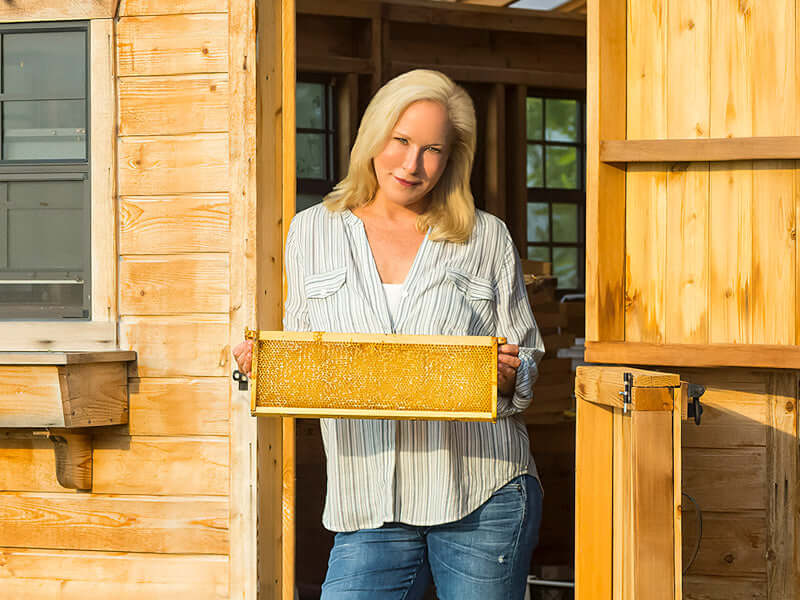
- Spring Honey - Our most personal honey, harvested from our own apiary at Chesterhaven Beach Farm on Maryland's Eastern Shore. Delicate and slightly floral, it brings a subtle elegance to cakes and bars.
- Ukrainian Sunflower Honey - A smooth, creamy honey with earthy undertones and a buttery finish. Its rich character holds up beautifully in spiced baked goods and bakes into a warm, golden depth that's especially lovely in a recipe like this one.
- Wildflower Honey - Complex and robust, with a pronounced floral character. A great choice if you want the honey flavor to be part of the experience rather than just background sweetness.
Not sure which to reach for? Our Types of Honey guide walks through every varietal we carry, including how each performs in baking specifically.

The Cashew Cream Frosting - Everything You Need to Know
The cashew cream is the part of this recipe that surprises people most. If you've never made a cashew-based frosting before, here's what to expect.
The Soaking Step is Non-Negotiable
Raw cashews need to soak in water for several hours - ideally overnight in the fridge - so they become fully soft and blend completely smooth. Skipping this step or rushing it leads to a gritty, grainy texture that won't spread the way frosting should. Plan ahead and let them soak the night before you bake.
A Food Processor Works Better Than a Blender Here
Blenders need more liquid to run smoothly, which means you'd have to add so much water that the frosting becomes too thin. A food processor gives you more control over the final consistency.
Scrape Down the Sides
Cashew cream takes longer to get fully smooth than you might expect. Stop the food processor every 30-45 seconds to scrape down the sides, and keep blending until the texture is completely uniform - no cashew chunks, no grainy bits.
Add Water Slowly
Once you've folded in the remaining ingredients, check the consistency. You're looking for something thick and spreadable, similar to peanut butter. If it's stiffer than that, add water one tablespoon at a time until it loosens to the right texture. Adding too much water at once is easy to do and hard to fix, so go slowly.
Let the Bars Cool Completely Before Frosting
This sounds obvious, but it's worth emphasizing - if the bars are even slightly warm, the cashew cream will slide right off and pool at the sides. Fully cooled bars (give them at least 30-45 minutes after coming out of the oven) will hold the frosting beautifully.

Step-by-Step Baking Tips
Creaming the Wet Ingredients
When the recipe says to cream the honey, oil, vanilla, and eggs together, you're looking for a fully combined, slightly emulsified mixture - not separated pools of oil and egg. Take an extra 30 seconds to make sure everything is really blended before you add the dry ingredients.
Don't Overmix the Batter Once You Add the Flour
Overmixing activates gluten (even in gluten-free flour blends, some structure develops), which can make the bars dense and slightly rubbery. Mix just until you don't see dry flour streaks, then stop.
Folding In the Carrots and Walnuts
Use a rubber spatula and fold gently - a few strokes is all you need. The goal is even distribution without overworking the batter.
Watch the Bake Time
Honey caramelizes faster than sugar, so the top of these bars may look done before the center actually is. The toothpick test is your best friend here. Insert it into the center of the pan - if it comes out with wet batter, give them another 3-5 minutes. If it. comes out with a few moist crumbs, they're done. If it's completely clean, pull them out immediately before they dry out.
Spread Evenly in the Pan
Use an offset spatula or the back of a spoon to push the batter into the corners and create an even layer. An uneven spread means some parts overbake while others underbake.

Make These Bars Your Own
One of the best things about this recipe is how adaptable it is. Here are a few ideas to customize:
- Swap part of the gluten-free flour for almond or oat flour for a nuttier, denser texture
- Add a handful of raisins or dried cherries to the batter for pockets of natural sweetness
- Try hemp seeds or raw sunflower seeds in place of the flax meal for a slightly different texture and look
- Replace the walnuts with unsweetened shredded coconut for a tropical twist that pairs surprisingly well with the cinnamon
For a fun flavor experiment, use two different honey varieties - one in the bars and one in the frosting - and notice how they each express themselves differently in the final result. Our Types of Honey guide is a great resource for mixing and matching.
Storage and Freezing
Store finished bars in an airtight container in the refrigerator. They'll keep well for up to 5 days - the flavors actually deepen and improve by day two, so don't feel like you need to rush through them.
To freeze, leave the bars unfrosted. Once cooled, cut into squares and store in a freezer-safe container or zip bag for up to 2 months. When you're ready to serve, thaw in the refrigerator overnight and make the cashew cream fresh before serving. The frosting doesn't freeze well on its own - the texture changes once thawed.
Troubleshooting
My bars came out too dense
This usually means the batter was overmixed after the flour was added, or the carrots were very wet. Next time, fold the dry ingredients in gently and give your shredded carrots a light squeeze in a paper towel before adding them.
My cashew cream is grainy
The cashews didn't soak long enough. They need a minimum of 4 hours, but overnight is best. If you're in a time crunch, soak them in hot (not boiling) water for 1-2 hours as a shortcut - it's not quite as effective but helps.
The bars browned too quickly on top
This is honey caramelizing faster than sugar would. If this happens, loosely tent the pan with foil for the last 5-10 minutes of baking to protect the top while the center finishes cooking.
The frosting is too thin
You added water to quickly. Unfortunately, there's no easy fix once it's very thin - the best approach is to refrigerate the cashew cream for 20-30 minutes, which thickens it considerably, then reassess before adding anything else.
The bars didn't rise much
Gluten-free flour blends don't always rise as dramatically as all-purpose flour. Make sure your baking powder is fresh (it loses potency over time), and don't overfill the pan - a 9x13 dish gives the batter the right depth for these bars.
Seasonal Serving Ideas
These bars are genuinely year-round, but they shine especially in spring. The warm spice and carrot combination makes them a natural fit for Easter dessert tables alongside a traditional Easter dinner - they're much easier to serve than a full layered carrot cake and travel well in the pan. They're also a wonderful addition to spring brunch spreads, potlucks, and school bake sales.
In fall and winter, lean into the spice profile. A sprinkle of extra cinnamon on the frosting or a drizzle of Wildflower Honey over the top before serving turns these into a cozy cold-weather treat.

More Carrot Baking from Bee Inspired
If baking with carrots is your thing, we have a few more recipes worth exploring. Our Honey Carrot Bran Muffins are a family favorite - moist, lightly sweet, and sturdy enough for breakfast or a packed lunch. They freeze beautifully, too.
For the savory side of things, our Honey Mustard Roasted Carrots made with our farm Spring Honey are one of the most popular side dishes on the blog - simple to make and stunning on a dinner table.
And if you're looking for more wholesome snack ideas beyond this recipe, our roundup of snacks made with honey has dozens of options across sweet and savory, baked and no-bake.
Frequently Asked Questions
Can I make these carrot cake bars ahead of time?
Yes - and they actually taste better the next day once the flavors have had time to settle. Bake, cool, and frost the day before you need them, then keep refrigerated until ready to serve.
Can I use regular all-purpose flour instead of gluten-free?
Absolutely. Standard all-purpose flour works just as well in this recipe. The gluten-free version was developed so more people could enjoy them, but there's no flavor sacrifice going either direction.
Do I have to use the cashew cream, or can I use a different frosting?
The cashew cream is what keeps these dairy-free, but if that's not a concern for you, a simple cream cheese frosting works beautifully here too. For a lighter option, a thin honey glaze - equal parts honey and melted coconut oil, drizzled over the cooled bars - is a minimalist alternative that lets the bars speak for themselves.
Which honey variety is best for carrot cake bars?
A mild, lighter honey works best so the spice profile isn't overwhelmed. We love Orange Blossom or Spring Honey for clean, floral sweetness. For something with more character, Ukrainian Sunflower Honey brings a wam, creamy depth that pairs especially well with cinnamon. See our full honey variety guide for a complete breakdown.
How long do the bars last?
Stored in an airtight container in the refrigerator, they'll keep for up to 5 days. Unfrosted bars can be frozen for up to 2 months.
Are these good for Easter?
Perfect for Easter. Carrot cake is a classic spring dessert, and the bar format makes it easy to serve at brunch or package as individual treats. They pair beautifully alongside a traditional Easter dinner without requiring the effort of a full layered cake.
Can I make these nut-free?
You can omit the walnuts from the bars easily - just leave them out. The cashew cream frosting, however, is cashew-based, so it isn't suitable for nut-free needs. A drizzle of honey or a light coconut cream frosting would be good dairy-free alternatives if nuts are a concern.
Can I double this recipe?
The recipe as written fills a 9x13 pan and yields 24 bars, which is already a generous batch. If you need more, you can absolutely bake two pans simultaneously - just make sure they're on the same oven rack or swap positions halfway through for even baking.