

Maryland Day on March 25th celebrates the founding of our great state and honors the rich heritage, diverse culture, and natural beauty that make Maryland extraordinary. Whether you're planning to attend historical reenactments in Anne Arundel County, explore the scenic Eastern Shore, or simply enjoy Maryland's famous crab cakes with family, this guide has everything you need to make the most of Maryland's birthday celebration.
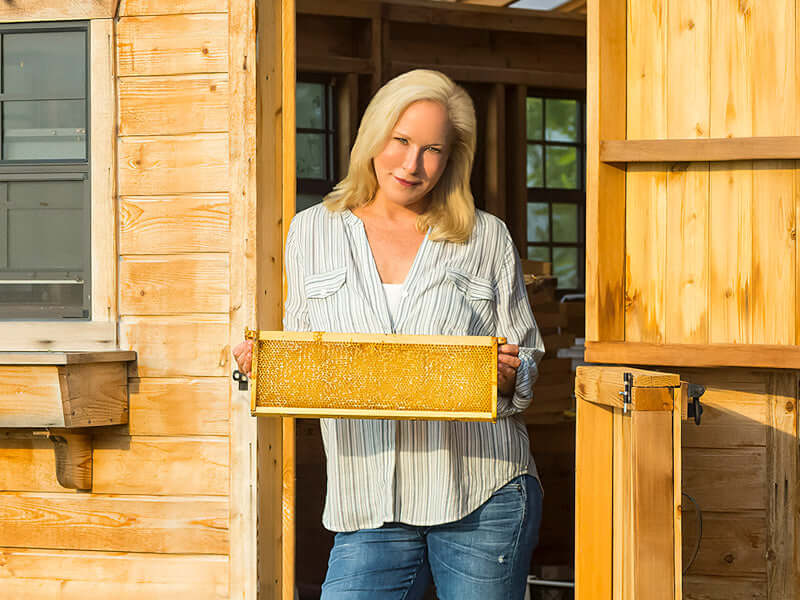
Maryland is known for its rich history and vibrant culture, but it’s also home to some of the finest locally sourced, authentic Maryland honey. If you’re curious about how to ensure the honey you’re enjoying is the real deal and not part of the growing issue of counterfeit food, check out this insightful blog that dives into the importance of authenticity and how to spot the difference.
As a Maryland-based business on the beautiful Eastern Shore, we're especially passionate about celebrating our state's heritage and the natural bounty that makes this region special. From local honey production to Chesapeake Bay traditions, Maryland Day offers the perfect opportunity to connect with everything that makes our state unique.
What Is Maryland Day and Why Do We Celebrate It?
Maryland Day commemorates March 25, 1634, when the first European settlers landed on Maryland soil at St. Clement's Island after their journey across the Atlantic aboard two ships—the Ark and the Dove. This date marks the formal founding of the Maryland colony, making it the third English colony established in North America.
The landing date coincided with the Feast of the Annunciation in the Catholic calendar, which held special significance for the settlers. Lord Baltimore, formally known as Cecil Calvert, had received authorization from King Charles I in 1632 to establish a colony where people of all faiths could practice their religion freely—a revolutionary concept for its time.
From Settlement to State Holiday
Maryland Day didn't become widely celebrated until 1903, when the Maryland State Board of Education designated March 25th as a day devoted to learning about Maryland history in schools. The General Assembly officially recognized Maryland Day as a legal state holiday in 1916, cementing its importance in Maryland's cultural calendar.
Today, Maryland Day has evolved from a classroom history lesson into a full weekend celebration featuring historical reenactments, museum tours, cultural festivals, and family-friendly activities across the state—particularly in Annapolis, Anne Arundel County, St. Mary's City, and throughout Southern Maryland.

Maryland Day 2026: When and Where to Celebrate
Maryland Day falls on Tuesday, March 25, 2026, but celebrations typically extend throughout Maryland Day Weekend, beginning the preceding Saturday and continuing through Monday. This extended celebration allows more families and visitors to participate in the numerous events held at historic sites, museums, and cultural centers across the state.
Major Maryland Day Celebration Locations
Historic St. Mary's City (St. Mary's County) - The original colonial capital hosts one of the most authentic Maryland Day celebrations, featuring period-appropriate reenactments, living history demonstrations, and guided tours of reconstructed colonial structures. Visitors can experience life as Maryland's first settlers knew it, complete with traditional crafts, colonial cooking demonstrations, and interpretive programs about the region's Native American heritage.
Annapolis and Anne Arundel County - The Chesapeake Crossroads Heritage Area partners with regional organizations to host Maryland Day events at over 40 locations throughout the weekend. Many historic homes, museums, and cultural sites offer free or $1 admission, making this the perfect opportunity to explore Maryland's maritime heritage, Revolutionary War history, and architectural treasures.
St. Clement's Island Museum (St. Mary's County) - This museum celebrates Maryland's birthplace with free admission, complimentary water taxi rides to St. Clement's Island, and official ceremonies featuring guest speakers and historical presentations. The exchange of ceremonial gifts between representatives of the Piscataway people and English settlers honors the complex history of Maryland's founding.
Baltimore City - Power Plant Live! hosts the Maryland Day Festival featuring live music, local food vendors serving Maryland favorites like crab cakes and orange crushes, family activities, and opportunities to show your Maryland pride by wearing red, black, and gold—the colors of Maryland's distinctive state flag.
Planning Your Maryland Day Celebration
Traditional Maryland Foods for Your Celebration
No Maryland Day celebration is complete without enjoying the Chesapeake Bay's culinary treasures. Maryland's food culture reflects centuries of traditions shaped by the bay's bounty, agricultural heritage, and diverse cultural influences.
Blue Crabs and Crab Cakes - Maryland blue crabs represent the heart of Chesapeake cuisine. Whether you're steaming crabs with Old Bay seasoning or preparing our authentic Maryland Crab Cakes with a touch of honey for sweetness, these dishes embody Maryland tradition. Pro tip: The official crab season opens April 1st, just one week after Maryland Day, making this the perfect time to anticipate spring's seafood harvest.
Oysters - Chesapeake oysters have sustained Marylanders for thousands of years, from Native American communities to colonial settlers to modern watermen. Spring oysters are particularly delicious, whether enjoyed raw, fried, steamed, or in traditional oyster stew.
Smith Island Cake - Maryland's official state dessert consists of multiple thin cake layers (traditionally 8-10) separated by chocolate fudge frosting. This labor-intensive creation originated on Smith Island in the Chesapeake Bay and represents the skill of Maryland's island bakers.
Honey-Sweetened Traditions - Maryland's Eastern Shore honey has been part of our culinary heritage for generations. Try our Southern Cornbread sweetened with wildflower honey, or prepare Honey Glazed Bacon Wrapped Shrimp that combines Chesapeake seafood with local honey.
Maryland Day Activities for Families
Historical Reenactments - Watch history come alive as costumed interpreters recreate colonial life, demonstrate 17th-century crafts, and explain the complex interactions between English settlers and Native American communities. These educational programs help families understand Maryland's founding in engaging, memorable ways.
Museum Tours - Many museums offer free or discounted admission during Maryland Day Weekend. The Maryland State House in Annapolis (the oldest state capitol still in legislative use), Fort McHenry (where the Star-Spangled Banner flew), and the Banneker-Douglass Museum (dedicated to African American heritage) provide fascinating insights into different aspects of Maryland history.
Nature Exploration - Spring arrives early on Maryland's Eastern Shore, making late March perfect for outdoor activities. Visit Chesapeake Bay beaches, hike trails at state parks, or explore the diverse ecosystems that support Maryland's famous blue crabs, oysters, and wildlife. The Black-Eyed Susan, Maryland's state flower, begins blooming around this time in some areas.
Farm Visits - Maryland's agricultural heritage remains strong, particularly on the Eastern Shore. Many farms welcome visitors during spring, offering opportunities to see wildflowers beginning to bloom, observe early-season farming activities, and understand how Maryland's agricultural traditions continue today.

The History Behind Maryland Day
The Voyage to Maryland
On November 22, 1633, approximately 150 settlers departed from Cowes on England's Isle of Wight aboard the Ark and Dove. The journey proved treacherous—a severe storm separated the two ships, forcing the Ark to navigate to the Canary Islands before continuing westward to Barbados, where the ships reunited.
After departing Barbados, the settlers sailed north along the American coast, entering the Chesapeake Bay in March 1634. They consulted with the Piscataway people and negotiated peaceful terms for settlement, a notably different approach than many other colonial ventures.
Building Maryland's First Community
On March 25, 1634, the settlers landed at St. Clement's Island in the Potomac River. Father Andrew White, one of three Jesuit priests traveling with the colonists, celebrated Mass to give thanks for their safe arrival. The settlers then negotiated with local Yaocomoco leaders to establish their permanent settlement nearby, which became St. Mary's City—Maryland's first capital.
This founding established Maryland as a haven for religious tolerance and laid the groundwork for principles that would later influence American concepts of freedom of conscience and separation of church and state.
Maryland's Complex Heritage
Modern Maryland Day celebrations acknowledge the full complexity of Maryland's history, including the perspectives and experiences of Native American communities who inhabited these lands for thousands of years before European arrival, the role of enslaved African Americans in building Maryland's economy, and the ongoing work toward equality and justice that continues today.

Fascinating Maryland Facts and Traditions
Maryland State Symbols
The Black-Eyed Susan - Maryland's state flower blooms throughout the Eastern Shore during summer months. We're fortunate to grow these beautiful golden flowers with dark centers on our Chesterhaven Beach Farm, where they provide vital nectar for honeybees producing our seasonal wildflower honey.
Jousting - Surprisingly, Maryland's official state sport isn't lacrosse (though Maryland has deep lacrosse traditions) but rather jousting, reflecting the state's romantic connection to English heraldry and medieval traditions.
Maryland Flag - The only state flag based on English heraldry, Maryland's distinctive black-and-gold and red-and-white quartered design comes from the Calvert and Crossland family coats of arms. During the Civil War, Marylanders loyal to the Union displayed the Calvert colors (black and gold), while Confederate sympathizers wore the Crossland colors (red and white). The modern flag unifies both elements, symbolizing Maryland's reunification after the war.
Maryland Historical Milestones
Kent Island - Established in 1631, Kent Island holds the distinction of being the third-oldest English settlement in North America and the first in Maryland, predating the official Maryland colony by three years.
King William's School - Founded in 1696, this institution (which evolved into St. John's College in Annapolis) was the first school established in what would become the United States.
The British Attack on St. Michaels - During the War of 1812, residents of St. Michaels on the Eastern Shore cleverly hoisted lanterns into trees surrounding the town when British forces planned a nighttime attack. The elevated lights caused British cannon fire to overshoot the town, earning St. Michaels the nickname "the town that fooled the British." Interestingly, those British soldiers camped overnight on what is now Chesterhaven Beach Farm!
Annapolis as National Capital - From November 1783 to June 1784, Annapolis served as the capital of the United States. Today, it's known as the "Sailing Capital of America" and attracts over 4 million visitors annually.
The Star-Spangled Banner - Francis Scott Key wrote America's national anthem after witnessing the British bombardment of Fort McHenry in Baltimore Harbor in September 1814. The flag that inspired him was sewn by Mary Pickersgill and measured an impressive 30 by 42 feet.

Famous Marylanders Who Shaped History
Maryland has produced remarkable individuals who've shaped American culture, civil rights, sports, and arts:
Harriet Tubman - Born enslaved in Dorchester County around 1820, Tubman escaped to freedom and returned multiple times to lead dozens of enslaved people to liberty via the Underground Railroad. Her courage earned her the title "Moses of her People," and she later served as a Union spy during the Civil War.
Frederick Douglass - This powerful orator, writer, and abolitionist was born enslaved on Maryland's Eastern Shore. His autobiographies provided crucial firsthand accounts of slavery's horrors and helped fuel the abolitionist movement.
Babe Ruth - Born George Herman Ruth Jr. in Baltimore in 1895, the legendary baseball player revolutionized the sport and became one of America's first sports celebrities.
Thurgood Marshall - Baltimore-born Marshall became the first African American Supreme Court Justice and argued the landmark Brown v. Board of Education case that desegregated American schools.
Michael Phelps - The most decorated Olympian of all time (28 medals, 23 gold) was born and trained in Maryland, representing Baltimore County throughout his historic swimming career.
Oprah Winfrey - While born in Mississippi, Winfrey launched her broadcasting career at WJZ-TV in Baltimore, where she developed the interview and storytelling style that would make her one of the most influential media personalities in history.
Tom Clancy - The bestselling author wrote his breakthrough novel "The Hunt for Red October" while working at an insurance company in Owings Mills—the same town where our Bee Inspired retail location and Honey House operates today!
Celebrating Maryland's Eastern Shore Heritage
Maryland's Eastern Shore represents a distinct and treasured region with its own cultural identity, shaped by centuries of maritime tradition, agricultural heritage, and natural beauty. The nine counties east of the Chesapeake Bay—Caroline, Cecil, Dorchester, Kent, Queen Anne's, Somerset, Talbot, Wicomico, and Worcester—form the Maryland portion of the Delmarva Peninsula.
Chesapeake Bay Maritime Culture
For thousands of years, people have lived along the Eastern Shore's 600+ miles of tidal shoreline, relying on the Chesapeake Bay's abundant resources. Watermen continue traditions of harvesting blue crabs, oysters, and fish using methods passed down through generations. This maritime heritage connects directly to Maryland Day, as the same waterways that sustain modern watermen guided the Ark and Dove to Maryland's shores nearly 400 years ago.
Eastern Shore Agricultural Traditions
The Eastern Shore's fertile soil and moderate climate support diverse agriculture, from grain crops to fruit orchards to commercial vegetable production. Beekeeping thrives here, with honeybees foraging on agricultural crops, native wildflowers, and naturalized meadows to produce distinctive Eastern Shore honey varieties.
Our Chesterhaven Beach Farm on Kent Island continues this agricultural heritage, maintaining over 40 acres devoted to supporting honeybees and producing our signature Spring Honey, Wildflower Honey, and Linden Basswood Honey. Each variety captures the essence of what's blooming on the Eastern Shore during specific seasons, creating honey that tastes distinctly of place.
Connecting Past to Present
When you explore the Eastern Shore during Maryland Day celebrations, you're experiencing landscapes similar to what the first settlers saw—sprawling marshes teeming with waterfowl, old-growth forests, productive agricultural land, and the ever-present Chesapeake Bay. While much has changed in 392 years, the Eastern Shore retains its essential character as a place where natural rhythms and traditional ways of life continue alongside modern development.

How to Honor Maryland Day from Home
Not everyone can attend official Maryland Day events, but you can still celebrate Maryland's heritage with family and friends:
Cook Traditional Maryland Dishes - Prepare our authentic Maryland Crab Cakes, serve honey-sweetened cornbread, or create honey-glazed seafood using local Maryland honey.
Learn Maryland History - Read about Maryland's diverse cultural heritage, explore the stories of famous Marylanders, or research your own family's Maryland connections.
Support Local Producers - Purchase products from Maryland farms and artisans, visit our Owings Mills location, or shop our Spring Awakening collection featuring products inspired by Maryland's seasonal beauty.
Explore Maryland's Natural Beauty - Visit a state park, walk along the Chesapeake Bay, observe Maryland's diverse butterflies, or plant native Maryland wildflowers that support local pollinators.
Share Maryland Pride - Display the Maryland flag, wear red and gold, share Maryland traditions with children, or post your Maryland Day celebrations on social media to inspire others.
Spring Awakening on Maryland's Eastern Shore
Maryland Day marks the unofficial beginning of spring on the Chesapeake Bay, a time when nature awakens after winter's dormancy. This seasonal transition holds special significance for those of us working with bees and honey—late March signals the start of serious bee activity as colonies expand and foragers venture out to gather nectar and pollen from early spring flowers.
The Black-Eyed Susans that grace Maryland's landscapes in summer are still months away from blooming, but spring beauties, wild plums, and early fruit tree blossoms provide vital nutrition for emerging bee colonies. This natural rhythm connects Maryland Day to the agricultural and apicultural traditions that have sustained Maryland communities for centuries.
Our Spring Awakening collection celebrates this seasonal renewal with products inspired by Maryland's spring beauty—from Spring Honey harvested from early-blooming flowers to botanical soy candles and honey-enriched skincare that honor Maryland's natural heritage.

Planning Your Maryland Day Weekend
Whether you're a Maryland resident looking to deepen your appreciation for local history or a visitor wanting to experience authentic Chesapeake culture, Maryland Day Weekend offers something for everyone:
Book Accommodations Early - If you're planning to stay overnight near major celebration areas like Annapolis or St. Mary's City, reserve hotels or vacation rentals well in advance, as this popular weekend fills quickly.
Check Event Schedules - Visit marylandday.org for comprehensive event listings, admission fees, and activity schedules. Many sites require advance registration for special programs.
Dress for Weather - Late March in Maryland can be unpredictable, with temperatures ranging from cool mornings to mild afternoons. Layer clothing and bring rain gear just in case.
Plan Multiple Stops - With many sites offering free or $1 admission during Maryland Day Weekend, you can easily visit several locations. Create an itinerary that groups nearby sites together to maximize your experience.
Bring the Whole Family - Maryland Day events are designed to be family-friendly, with hands-on activities for children, educational programs for all ages, and plenty of outdoor spaces for little ones to explore.
Why Maryland Day Matters Today
Maryland Day celebrations serve a purpose beyond historical commemoration—they connect us to the landscape, communities, and traditions that make Maryland unique. When we gather to honor March 25th, we're not just remembering the past; we're actively maintaining cultural continuity and ensuring that future generations understand where they come from.
For those of us who make our living from Maryland's land and waters—whether as watermen harvesting Chesapeake Bay seafood, farmers growing crops, beekeepers producing honey, or artisans creating products inspired by local traditions—Maryland Day reminds us that we're part of a story much larger than ourselves. We're stewards of resources, keepers of traditions, and participants in an ongoing dialogue between past and present.
As you celebrate Maryland Day 2026, whether at historic sites or your own kitchen table, take a moment to appreciate everything that makes Maryland extraordinary—the Chesapeake Bay's bounty, the Eastern Shore's natural beauty, the diverse cultural heritage, and the welcoming communities that make this state home.
Happy Maryland Day from all of us at Bee Inspired Goods! We're proud to continue Maryland's agricultural and artisanal traditions right here on the Eastern Shore, creating honey and honey-inspired products that celebrate our state's natural gifts. Visit us during Maryland Day Weekend at our Owings Mills location to taste the flavors of Maryland spring and discover how local honey captures the essence of this special place we call home.