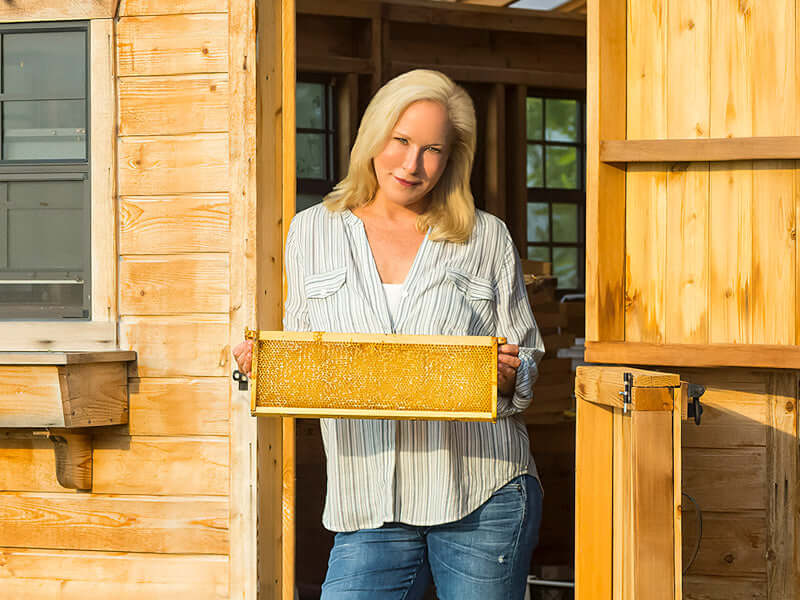


Ask anyone who has spent time outdoors in the mid-Atlantic and they will tell you: a bee sting is nothing. Poison ivy, on the other hand, is a whole other story. I learned this the hard way in seventh grade, when my friend Mary and I climbed a tree out back in the woods to get branches long enough to roast marshmallows. We were not worried about the plants around us. The next day, Mary called, and the only thing I could make out was "poison ivy." The week that followed was miserable for both of us. Over-the-counter options did not cut it. We both missed school, had to see a doctor, and I quietly retired quite a bit of clothing that week.

Years later, it happened again, this time on the farm while clearing debris near the blackberry plants. By then, I had learned a lot more about skin care from a beekeeper's perspective, and I knew exactly what I wanted nearby while I waited to see whether I needed medical attention. Here is what I know, what I have tried, and what actually helps keep skin comfortable while your body does the work of recovering.
What Is Poison Ivy and Why Does It Cause a Rash?
Poison ivy (Toxicodendron radicans) is a native North American plant found throughout the Eastern Seaboard and much of the country. It is most easily identified by its characteristic three-leaflet pattern, which is the origin of the old saying: "Leaves of three, let it bee." The plant produces a resin called urushiol, a colorless, odorless oil found within the sap. When urushiol comes into contact with skin, it can trigger an allergic reaction in most people, resulting in redness, intense itching, swelling, and in more serious cases, blistering.
The reaction is not actually caused by the plant itself, but by the immune system's response to urushiol exposure. That is why symptoms sometimes take one to three days to appear, and why the rash can seem to spread even after the initial contact, especially if urushiol oil remains on the skin, clothing, or tools. The rash itself is not contagious, but any remaining urushiol on surfaces can continue to cause a reaction if it contacts new skin.
It is also worth knowing that poison ivy is closely related to two other plants: poison oak and poison sumac. All three contain urushiol and can cause the same kind of reaction. If you are in the Southeast or Pacific Northwest, poison oak is more common. Poison sumac tends to grow in wet, boggy areas. The same guidance applies to all three.

The First and Most Important Step: Wash Thoroughly
The single most effective thing you can do after suspected contact with poison ivy is wash the affected area with cool water and a gentle soap as quickly as possible. Urushiol begins bonding to skin proteins quickly, so speed matters here. Rinse the area with cool running water for several minutes before introducing soap. Warm water can open pores and potentially allow deeper penetration, so stick to cool water for the initial rinse.
On the farm, I reached for the Oatmeal and Lavender Bar Soap, which is gentle enough for sensitive skin. Once you have washed the affected area, do the same for everything that may have touched the plant: clothing, tools, shoes, and anything else in contact. Urushiol can remain active on surfaces for months, even years, so washing gear thoroughly is not optional.
What People Reach for After: Natural Comfort Approaches
After washing, the focus shifts to keeping uncomfortable skin as calm and hydrated as possible. There is no shortage of folk wisdom here, and some of it holds up quite well. Before we go further: if your rash is severe, covers a large area of your body, involves your face or eyes, or you notice signs of infection, please see a doctor. Prescription options exist for serious reactions, and there is no reason to tough it out when you do not have to. Everything below is about keeping skin comfortable during recovery, not a substitute for medical care.
Cool Compresses
A clean cloth soaked in cool water and applied to irritated skin is simple, free, and genuinely soothing. The coolness provides temporary comfort and can take the edge off the most acute discomfort. Do this as often as you need in the early days, especially if blistering occurs.
Calamine Lotion
Calamine is a classic over-the-counter option that many people find helpful for keeping irritated skin dry and comfortable. It contains zinc oxide and ferric oxide, which create a drying, protective coating over the skin. It does not speed up the healing process, but it can make waiting more bearable.
Aluminum Acetate
Aluminum acetate is an astringent ingredient available in some over-the-counter formulations. It can help weeping or blistered areas feel more settled and is often found in products specifically formulated for contact dermatitis. This is an OTC drug ingredient, not something in our product line, but it is worth knowing about if your rash is producing fluid.
An Oatmeal Bath
Oatmeal has a long history as a skin comfort ingredient, and for good reason. Colloidal oatmeal, which is oatmeal ground very finely so it disperses in water rather than sinking to the bottom, forms a silky coating on skin that feels noticeably soothing. A bath with colloidal oatmeal is one of the gentlest things you can do for reactive, irritated skin of any kind, including the uncomfortable, dry, itchy skin that comes with poison ivy exposure.
We have a full recipe for a milk and honey oatmeal bath that is wonderfully simple: finely ground oats, whole milk (or coconut milk for a dairy-free version), and a spoonful of honey. Combine them, pour into a warm bath, soak for 20 to 30 minutes, then rinse. The oats provide that coating comfort, the milk softens, and the honey keeps skin feeling moisturized after you step out.

Honey on Skin: What It Actually Does
Honey has been applied to skin for centuries, long before anyone understood exactly why it worked as a skin care ingredient. What we know now is that honey is a natural humectant, meaning it draws moisture from the environment and holds it against the skin. That quality makes it genuinely useful in skin care, particularly for skin that feels dry, tight, or uncomfortable.
Honey also has a naturally low water content and a pH environment that creates an inhospitable surface for certain kinds of microbial growth, which is part of why it has historically been applied to cuts and minor wounds. These are properties of the ingredient itself, not claims about treating any medical condition.
Many people who deal with reactive skin reach for honey as a topical moisturizer because it is gentle, free of synthetic additives, and effective at keeping skin feeling soft and comfortable. If you have dry, irritated skin after a poison ivy encounter, applying a small amount of honey like our Sweet Clover Honey to uncomfortable areas is something a lot of folks find soothing. The mild, floral character of Sweet Clover makes it a pleasant choice for skin application, and its naturally thick consistency stays in place rather than running off immediately.
Apply a thin layer to the affected area after washing and keep the area uncovered if possible. Honey is sticky, so this works best when you can stay still for a bit. Rinse gently with cool water after 15 to 20 minutes if needed.

Keeping Skin Moisturized Through Recovery
One of the more overlooked aspects of recovering from a poison ivy rash is basic moisturization. Reactive, irritated skin tends to dry out, and dry skin is more uncomfortable skin. Keeping the area moisturized after washing can make the experience noticeably more manageable.
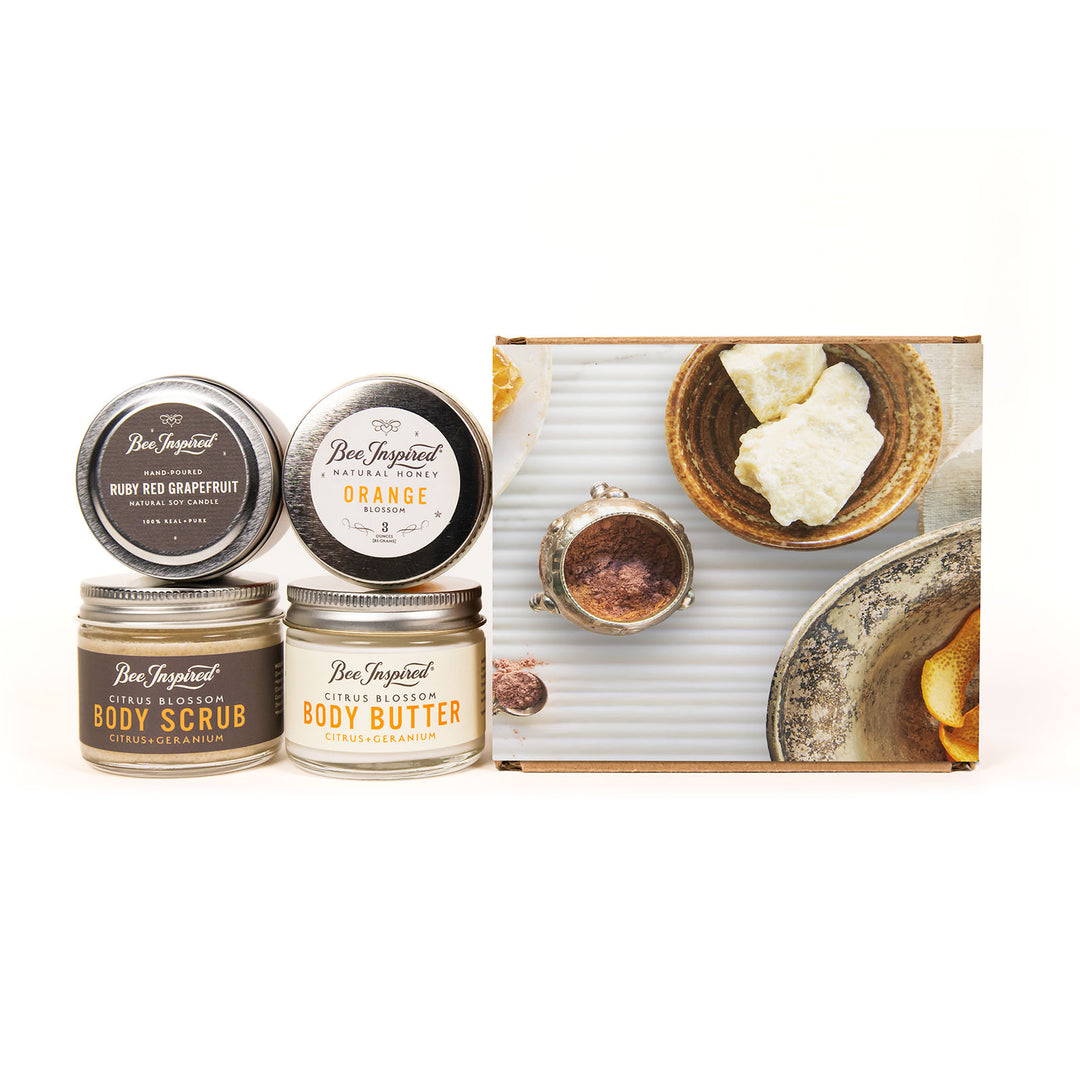
After bathing or washing, while skin is still slightly damp, is the best time to apply a moisturizer. The dampness helps the product absorb more effectively and creates a better seal. Our Honey Body Butter is one of our richest moisturizing formulas, made with sweet almond oil, coconut oil, and organic cocoa butter, along with honey from our partner beekeepers. It is particularly good for skin that needs a lot of moisture and a gentle touch. Apply it while skin is still damp, working it gently into the affected area.
If you prefer something lighter that absorbs quickly, a body oil layered over a moisturizer works well for locking in hydration. Our body care collection includes oils formulated with plant-based ingredients that sit comfortably on skin without feeling heavy.
For poison ivy on or near the face, stick with products specifically made for facial skin, which is thinner and more reactive than body skin. Our face care collection includes lighter formulas designed for that more delicate area.
When Poison Ivy Affects Your Lips
Poison ivy can reach anywhere, including around your mouth, especially if you touched your face before washing your hands. For dry, uncomfortable skin around or on the lips, our Plastic-Free Honey Lip Balm is formulated with organic beeswax, hemp seed oil, sunflower oil, and honey to keep lips moisturized and comfortable. Beeswax creates a gentle occlusive layer that helps prevent further moisture loss, and the formula is free of artificial fragrances and flavors. The tube itself is made from plant cellulose rather than plastic, so it is fully biodegradable.
A Note on Bath Soaks
Beyond an oatmeal bath, a mineral salt bath soak can feel genuinely restorative for skin that has been through a lot. Our bath soaks are formulated with Dead Sea salts, Epsom salt, and essential oil blends that make for a deeply comfortable bathing experience. Dissolving a few tablespoons into a warm bath and soaking for 20 minutes or so is a nice way to wind down when skin is feeling unhappy. Follow with a body butter or oil while skin is still damp.
What About Poison Oak and Poison Sumac?
The same approaches apply. All three plants, poison ivy, poison oak, and poison sumac, produce urushiol, so the initial response is the same: wash thoroughly and quickly, keep the area cool and moisturized, and see a doctor if the reaction is severe. The regional distribution differs (poison oak is more common in the West and Southeast; poison sumac tends to appear in wet, wooded areas) but the urushiol chemistry is essentially the same.
When to See a Doctor
Let me say this plainly: some poison ivy reactions require medical attention, and there is no shame in going to the doctor. If your rash covers more than a quarter of your body, affects your face or eyes, involves significant swelling, shows signs of infection like warmth, increasing redness, pus, or fever, or is simply unbearable, go to the doctor. Prescription corticosteroids, either topical or oral, can significantly shorten the duration and intensity of a severe reaction. Over-the-counter topical treatments can only do so much.
On my second farm encounter, I went in when things got worse instead of better after a few days. It was the right call. Natural skin care approaches are wonderful for keeping skin comfortable during recovery, but they are not a substitute for medical evaluation when the situation calls for it.
As the old saying goes: "Leaves of three, let it bee." When you cannot, wash quickly and take good care of your skin while you recover.

FAQs About Honey for Poison Ivy
Does honey help with poison ivy?
Honey has been used on skin for centuries. Many people apply minimally filtered honey to dry, irritated skin as a moisturizing practice during recovery from a poison ivy rash. It will not cure or medically treat the rash, but it can help keep skin feeling hydrated and comfortable. If your reaction is severe, always consult a doctor.
What is the first thing I should do if I touch poison ivy?
Wash the affected area immediately with cool running water and a gentle soap. Speed matters because urushiol, the oil in poison ivy, begins bonding to skin proteins quickly. Rinse for several minutes before applying soap, and use cool rather than warm water to avoid opening pores. Also wash any clothing, tools, or surfaces that may have contacted the plant.
How long does a poison ivy rash last?
Most poison ivy rashes resolve on their own within one to three weeks. The timeline depends on the severity of the reaction, how quickly the urushiol was washed off, and whether the person received medical treatment. Severe reactions treated with prescription corticosteroids may clear faster. See a doctor if symptoms worsen, become infected, or affect the face or a large area of the body.
Is an oatmeal bath good for poison ivy?
Yes, oatmeal baths are widely used for irritated, itchy skin of many kinds, including the discomfort associated with poison ivy exposure. Colloidal oatmeal, which is finely ground so it disperses in water, creates a soft, coating effect on skin that many people find genuinely soothing. Soak for 20 to 30 minutes in a warm (not hot) bath, then rinse and apply a gentle moisturizer while skin is still damp.
Can you spread poison ivy by scratching?
The rash itself is not contagious and does not spread by scratching. However, if urushiol oil remains on the skin, fingernails, or clothing, it can transfer to new areas and trigger additional reactions. Scratching blisters can also introduce bacteria and increase the risk of infection. Washing hands frequently and avoiding scratching helps prevent both of these issues.
What should I put on poison ivy to keep skin comfortable?
After washing the area thoroughly, many people find relief from cool compresses, calamine lotion, and colloidal oatmeal baths. Keeping the skin moisturized with a gentle body butter or oil after bathing can help with the dry, tight feeling that often accompanies a rash. For mild cases, minimally filtered honey applied directly to the skin is a popular folk approach for keeping skin comfortable and hydrated. For severe reactions, consult a doctor about prescription options.
Is poison ivy contagious?
No. The rash from poison ivy is caused by an allergic reaction to urushiol oil, not by the rash itself. You cannot catch poison ivy from another person who has it. However, urushiol remaining on clothing, tools, pets, or other surfaces can continue to cause reactions in anyone who touches it, sometimes for months. Washing all potentially exposed surfaces is important.