

A Journey Through Body, Aroma, and Flavor
There's no denying the pleasure of a hot, aromatic cup of tea. The gentle, apple-like sweetness of chamomile, the boldness of a brisk black tea, the fragrant allure of an herbal tisane: each cup offers its own experience. Professional tea tasters spend years honing their craft, but tea tasting is a skill anyone can learn at home with nothing more than a kettle, a few good teas, and a little curiosity. This guide walks you through how to taste tea the way the pros do, from judging body and aroma to building your own tasting vocabulary, and it ends with a guided virtual tasting of every tea we blend.

How to Set Up a Tea Tasting at Home
You don't need special equipment to run a tea tasting, but a few small choices make a big difference. Pick three to five teas so your palate stays fresh; a mix of styles, say one black tea, one rooibos blend, and one herbal, gives you the most to compare. Use plain white or neutral cups so the color of the liquor is easy to read, and brew every tea with the same amount of leaf, the same amount of water, and the timing listed on the label. Water temperature matters more than most people expect: black teas want water at a full boil, while more delicate leaves and botanicals do better a little cooler. If you want a ready-made flight, The Mixologist's Tea Set bundles three of our most distinctive blends, or you can build your own from our loose leaf artisanal tea collection.
Find a quiet spot, skip strongly flavored foods right before you start, and let each cup cool for a minute or two before sipping. Very hot liquid mutes flavor; a slightly cooled cup reveals far more. Taste your lineup from lightest to boldest so a big, malty black tea doesn't steamroll a delicate tisane. Keep a notebook nearby. It will come in handy later.
The Four Things to Notice When You Taste Tea
Body and Mouthfeel
A tea's body is more than just its weight. It's an amalgamation of its texture, substance, and how it feels in your mouth. Imagine savoring a tea that is as light as water, or one with a broth-like consistency reminiscent of a comforting chicken soup. Some teas offer a creamy mouthfeel, as if you're enjoying a beverage enhanced with rich heavy cream. Black teas, on the other hand, have a brisk, astringent body that leaves a tantalizing dry sensation in your mouth.
Getting a sense of a tea's body is also the first step toward understanding brew strength. Light teas should still present a hint of texture. If your tea tastes thin, it may need a longer steep or a bit more leaf. Conversely, a bitter taste or a mouth-puckering sensation could mean it has been over-brewed. Water temperature and steeping time both shape the final cup, so adjust one variable at a time and taste again.
Aroma
Before your first sip, hold the cup close and breathe in. Aroma carries a huge share of what we perceive as flavor, and it often telegraphs what's coming: cinnamon and baked apple in a spiced rooibos, citrus brightness in an Earl Grey, berries and florals in a fruit blend. Smell the dry leaf, smell the wet leaf after steeping, and smell the brewed cup. All three tell you something different about the same tea.
Flavor
Once you've taken in the aroma, it's time to explore flavor. Much like a fine wine, teas reveal themselves in stages, changing as you hold them in your mouth and as they cool. Savor each sip and take your time identifying the subtle notes that ride alongside the main flavor. You might find a rooibos with hints of caramel, or a black tea with undertones of wood or smoke. The range of flavor in black tea alone is enormous, which is part of why we wrote a whole comparison of black tea versus coffee for anyone weighing their morning options.
The real thrill of tea tasting lies in uncovering new and unexpected flavors. Some teas surprise you with notes of cocoa, honey, or a whisper of fruit. Keep an open mind and try teas from different regions and blends. This expands both your palate and your understanding of what a cup can be. And if you like to sweeten your cup, try tasting each tea plain first, then again with a small spoonful of honey; our guide to the best honey for tea matches specific varietals to specific blends.
The Finish
Finally, pay attention to the lingering flavors after you swallow, what tasters call the finish. A well-made tea leaves a long, pleasant aftertaste, a sensory reminder of the cup you just enjoyed. A lower quality tea might leave behind a sour or flat note instead. Tasting with friends and comparing impressions makes this part especially fun, because two people rarely describe the same finish the same way.
If you want an occasion to put a tasting session on the calendar, National Hot Tea Day on January 12th is a natural excuse to gather people around a pot.

Start With the Dry Leaf
A full tea tasting actually begins before the water is poured. Examine the dry leaf first: its appearance, color, and aroma offer clues about the tea's origin, quality, and likely flavor profile. Whole, consistent leaves generally signal careful processing, and in a blend you can often spot the ingredients themselves, like lavender buds, dried fruit, or flower petals. As the tea brews, watch the leaves unfurl and the liquor take on color. Then the brewed cup reveals the tea's true character through aroma, flavor, and mouthfeel. Moving through those stages in order is what turns drinking tea into tasting it.
Keeping Tasting Notes
Developing your palate takes practice, and a simple journal speeds it up enormously. After each cup, jot down the tea, how you brewed it, and a few words about body, aroma, flavor, and finish. Broad terms are a fine place to start: fruity, floral, earthy, nutty, spiced, sweet. Over time you'll get more specific, moving from "fruity" to "dried cranberry" or from "floral" to "rose petal." A tea-tasting wheel, a chart that fans out from broad flavor families to precise descriptors, is a handy guide when the right word won't come. There are no wrong answers here. Tasting notes are personal, and half the fun is comparing yours with someone else's over the same pot.
Tea and Food Pairing
Pairing tea with food works just like pairing wine: think about how flavors will complement or contrast each other. A delicate, grassy tea sits nicely alongside subtle dishes like sushi or salads, while a robust black tea stands up to heartier flavors like meat or warm spices. Sweet and nutty herbal blends shine next to baked goods and cheese.
Experiment with different combinations and note the results in your tasting journal. There's no single right pairing, and discovering an unexpected match, like a berry tisane next to dark chocolate, is one of the great pleasures of building this skill.
A Virtual Tasting of Our Artisanal Teas
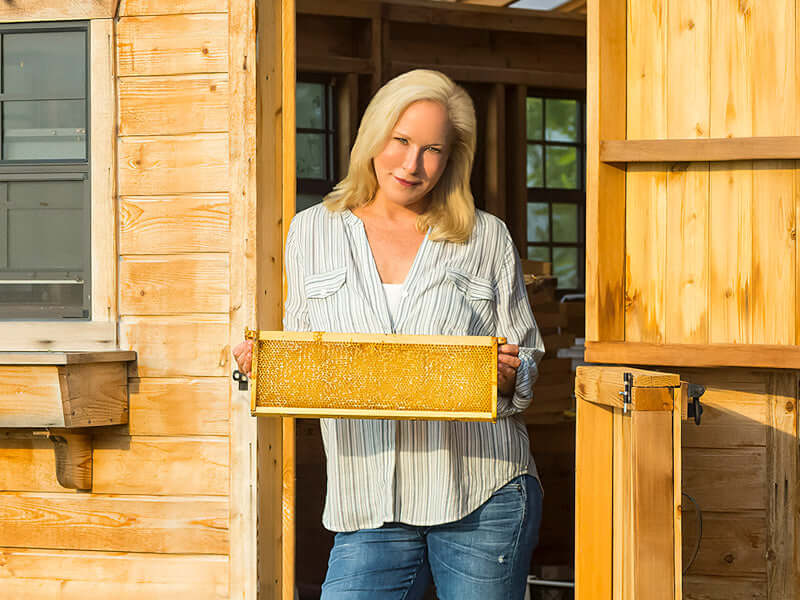
When you visit our honey house, you are often offered a spot of tea. We keep glass jars filled with each varietal so you can take in the aroma and experience the tea first-hand. If you live far from us, consider this a virtual tour: a guided tasting of every blend we make, with the notes to look for in each cup.
Cider+Spice Tea
Featuring: Cinnamon, apple fruit pieces, rooibos, calendula (marigold) petals

Cider+Spice Tea is a cozy hug in a mug: flavorful dried apples, cinnamon, rooibos red tea, and a secret combination of spices. Brew your usual amount of leaf and steep for 4-5 minutes. Tasting notes to look for: baked apple up front, warm cinnamon through the middle, and the smooth, naturally sweet base rooibos is known for. Enjoy a cup as-is, or add a little honey to bring out the sweetness of the dried fruit. Whether you're savoring it in front of the fireplace or staving off winter's chill, Cider+Spice Tea makes an exquisite cool-weather cup.
Sunrise Assam Tea
Featuring: Kondoli Assam Tea, Dried Cranberries, Dried Orange Peel, Hibiscus Flower, Rooibos Tea, Natural Cranberry Flavor, Natural Orange Flavor.

Sunrise Assam Tea is a study in contrast: malty Kondoli Assam black tea brightened by dried cranberries, orange peel, hibiscus, and rooibos. The result is a brisk cup rich with zesty citrus notes and a tart berry edge. Taste for the malt first, then notice how the hibiscus tartness arrives on the finish. A spoonful of honey rounds it out beautifully; we recommend Cranberry or Orange Blossom. It's a natural first cup of the morning or an afternoon companion.
Midnight Berry Tea
Featuring: Hibiscus, Berries, Rooibos

Midnight Berry Tea blends wild currants, elderberries, hibiscus, and rooibos into a cup that's both sweet and tart, with a vibrant purple hue that entices the eye before the first sip. This is a wonderful tea for practicing your tasting skills: see if you can pick out the deep berry sweetness from the bright hibiscus tang. A drizzle of honey takes the flavor up a few notches, served hot or cold. It becomes an instant favorite iced with lemon and mint in summer.
Blue Butterfly Tea
Featuring: Blue Butterfly Pea Flowers

Blue Butterfly Tea is one of a kind. As it brews, whole butterfly pea flowers turn the water an enchanting electric blue, thanks to anthocyanins, the same natural pigments that color blueberries. Add a squeeze of lemon juice and watch the cup shift to bright fuchsia. On the palate it's gently earthy and light in body, so pay attention to the finish, where the flavor lingers longest. If you're curious about the flower behind the magic, our guide to blue butterfly tea covers it in depth, and the brewed concentrate even works as a natural food coloring. Serve it hot or over ice, sip it straight, or blend it with Midnight Berry Tea for a fruity twist. It's also a showstopper in creative cocktails, mocktails, and lemonade.
Beautea Ginger Turmeric Tea
Featuring: Ginger, Turmeric Root, Dried Carrot, Dried Beet, Dried Pineapple, Calendula Petals, Natural Flavors

Beautea is hand-blended with ginger, turmeric root, dried carrot, dried beet, dried pineapple, and calendula petals. It's one of the most interesting cups in our lineup to taste: sweet and spiced, with notes of licorice and fruit and a gentle ginger warmth that builds sip by sip. When brewed, it casts a vibrant pink-orange hue that's as striking as the flavor. Enjoy it iced or hot, and see how many of the seven ingredients you can pick out by taste alone.
Bee’s Knees Honeybush Tea
Featuring: Honeybush tea leaves

Bee's Knees Honeybush Tea is a sweet, nutty single-ingredient tea from the South African honeybush plant, a naturally caffeine-free cousin of rooibos with a warm, honey-like fragrance. Taste for caramel and toasted-nut notes and a smooth, low-tannin finish with none of the dry astringency of black tea. If you've ever wondered how honeybush compares to rooibos, brewing one cup of each side by side is a perfect first tasting exercise. Enjoy it hot or cold; it also mixes beautifully into cocktails alongside citrus-flavored spirits or even bourbon.
Good Morning Black Tea
Featuring: Black Tea, Rosehips, Dried Raspberry Fruit, Cornflower Petals, Natural Flavors

Good Morning Black Tea combines black tea, rose hips, dried raspberry fruit, cornflower petals, and natural flavors into a sweet-tart cup. On the tasting wheel, look for brisk black tea structure underneath, then raspberry brightness and a soft floral lift. It's sweet but not too sweet, and it's perfect with cream and honey. Each tin brews up to 15 servings, and every sip contains natural ingredients sourced from ethical tea farmers. Enjoy it hot or iced, first thing in the morning or throughout the day.
Good Night Herbal Tea
Featuring: Chamomile, Linden Flowers, Spearmint, Rose Petals, Lavender Buds

Good Night Herbal Tea is our caffeine-free evening blend of chamomile, linden flowers, spearmint, rose petals, and lavender buds, the kind of cup you brew when the day is winding down. Customers have raved that it's "the best tea I have ever tasted," and it's a lovely blend to taste slowly: honeyed, apple-like chamomile first, a cool thread of spearmint through the middle, and a gently floral rose-and-lavender aroma that lingers on the finish. Because it's a true tisane with no caffeine, it fits any hour of the evening.
Raven Earl Grey Tea with Lavender
Featuring: Organic Black Tea, Lavender, Natural oil of Bergamot.

Raven Earl Grey Tea with Lavender blends rich Earl Grey with dried lavender blossoms for a robust, aromatic cup with citrusy hints and mysterious depth. It was inspired by dark summer nights, foggy mornings, and the fragrant lavender fields on our coastal farm. This is a rewarding tea to taste in stages: the tangy citrus of bergamot arrives first, the malty black tea base fills the middle, and the lavender's floral note surfaces as the cup cools. Bold yet delicate, and like no other Earl Grey you've tried.
Every Cup Is a Chance to Taste Something New
Tea tasting is not just about enjoying a hot beverage. It's a journey of discovery and a way to explore new blends and flavors with intention. Once you start noticing body, aroma, flavor, and finish, an everyday routine turns into an enriching ritual. So the next time you sit down with a cup, pause to appreciate its nuances, savor it slowly, and who knows: you might discover a new favorite.

FAQs About The Art of Tea Tasting: How to Taste Tea Like a Pro
What should you notice when tasting tea?
Focus on four elements: body (how the tea feels in your mouth, from light to creamy to brisk), aroma (smell the dry leaf, wet leaf, and brewed cup), flavor (the main taste plus subtle notes like fruit, florals, caramel, or spice), and finish (the aftertaste that lingers after you swallow). Moving through all four in order is what separates tasting tea from simply drinking it.
How do you host a tea tasting at home?
Choose three to five teas in different styles, use plain white or neutral cups, and brew each with the same amount of leaf and water at the temperature and time listed on the label. Taste from lightest to boldest, let each cup cool slightly before sipping, and keep a notebook to record impressions. Avoid strongly flavored foods right before tasting.
What is a tea tasting wheel?
A tea tasting wheel is a circular chart that fans out from broad flavor families like fruity, floral, earthy, and spiced to more precise descriptors like dried cranberry, rose petal, or baked apple. It helps you find the right word for what you are tasting and builds your tasting vocabulary over time.
Should tea be hot or cooled when you taste it?
Slightly cooled. Very hot liquid mutes flavor, so let the cup rest for a minute or two before your first sip. As the tea continues to cool, taste it again; many teas reveal new notes at different temperatures, which is part of the fun of a tasting.
What order should you taste teas in?
Taste from lightest to boldest. Start with delicate herbal tisanes and light-bodied teas, then move to fruit and rooibos blends, and finish with robust black teas. A big, malty black tea tasted first can overwhelm your palate and make lighter teas seem flavorless by comparison.
Do you add honey during a tea tasting?
Taste each tea plain first so you experience its true character, then try a second sip with a small spoonful of honey and notice how the flavor changes. Different honey varietals pair better with different blends, so matching them is a tasting exercise of its own.