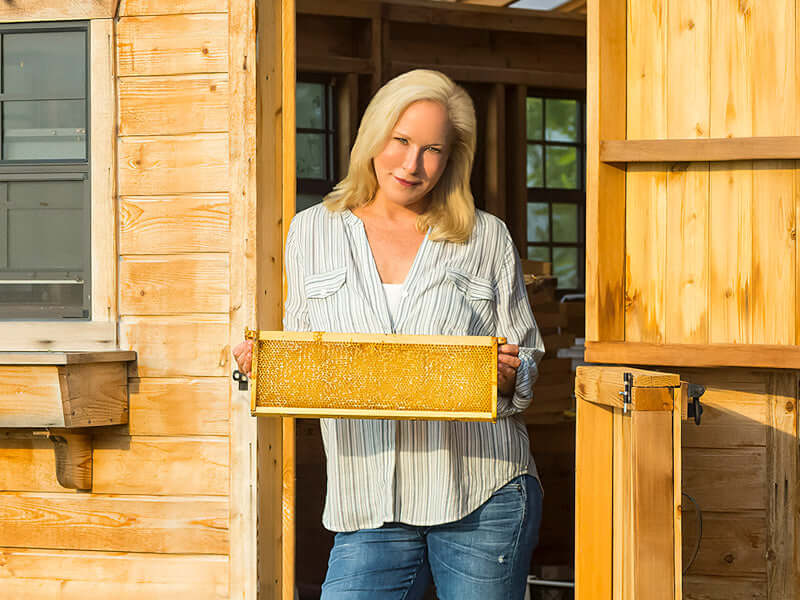


If your cuticles crack and peel the second the weather turns, you already know the frustration. You moisturize, it helps for an hour, and then your hands feel tight and rough all over again. I keep bees on Maryland’s Eastern Shore, and my hands take a beating year‑round, so I’ve leaned on this simple honey cuticle treatment for a long time. It’s made from a few things you probably already have in the kitchen, and it leaves the skin around my nails feeling soft and comfortable instead of raggedy.

Why Cuticles Get So Dry in the First Place
Your cuticles are that thin strip of skin at the base of each nail, and they have a real job: they seal the gap between your nail and your finger. When they dry out and split, that seal opens up, and you end up with hangnails, rough edges, and skin that catches on everything. A few everyday things tend to make it worse.
Cold, dry winter air pulls moisture out of skin faster than it can replace it. So does frequent hand‑washing and hand sanitizer, both of which strip the natural oils that keep cuticles supple. Harsh dish soap, cleaning products, and acetone nail‑polish remover do the same. And if you work with your hands the way I do, all that friction and exposure adds up. None of this is dramatic on its own, but together it’s why your cuticles feel dry by February no matter how much lotion you use.
Moisturize Before They Crack, Not After
The easiest fix is a consistent habit rather than a rescue mission. A daily rhythm of cleansing, gentle exfoliating, and moisturizing keeps the skin on your hands softer and better able to handle the elements. Any combination of our honey body scrubs and body butters works well for this. Buff away the dry, flaky surface, then seal in moisture while your skin is still slightly damp. If you want the reasoning behind that order, our guide on why exfoliation matters and our walkthrough on how to use a body scrub both cover it. When your cuticles are already dry and irritated, though, the treatment below gives them a more focused dose of moisture.
Why Honey Belongs in a Cuticle Treatment
Honey is the ingredient I always come back to for dry skin, and it earns its spot here. Honey is a natural humectant, which means it draws moisture from the air and helps hold it against the surface of your skin. That’s exactly what dry cuticles are missing. It also brings a little natural stickiness that helps the treatment cling to the skin around your nails instead of sliding off.
For skincare like this, I reach for a minimally filtered honey that’s been gently handled from hive to jar, rather than the heavily processed kind. You can use any varietal you like from our Eastern Shore Honey collection. The rest of the ingredients round it out with plant oils and soothing botanicals.

How to Make a Honey Cuticle Treatment
You’ll need just a handful of ingredients, most of them already in your fridge and pantry. Here’s what goes in:
- Bee Inspired honey
- Coconut oil (room temperature works best), or an equal amount of olive or almond oil
- Avocado
- Aloe vera gel
- A few drops of a gentle essential oil, such as lavender, geranium bourbon, or sweet orange
If your coconut oil is solid, place it in a metal measuring cup and set it in a warm oven or a pot of warm water until it softens. Mash the avocado well, then whisk everything together in a small glass bowl until smooth. It’ll look a lot like guacamole, which is exactly why we’ve always affectionately called it the “guacamask.” You can use this on your whole hand, and it works just as nicely on the face, knees, elbows, or any spot that feels dry.
How to Apply It
Apply the mixture generously to your cuticles, nails, and hands, and let it sit on the skin for five to ten minutes. When your skin feels moisturized, rinse everything off with warm water and a damp washcloth, then pat dry with a towel. To lock in that softness, finish with a coating of your favorite body butter, and you’re good to go.

Don’t have any essential oil on hand? No worries, the treatment works just fine without it. If you do add one, remember to keep it to just a few drops, and never apply undiluted essential oils directly to your skin.
A No‑Mixing Option for Everyday Hands
Some days you don’t feel like mashing avocado. On those days, I keep our Lavender Baby Oil by the sink. It’s a short, four‑ingredient blend of organic sunflower, jojoba, and apricot kernel oils with Bulgarian lavender, and a few drops rubbed into your cuticles after washing your hands is one of the simplest ways to keep them soft between treatments. During the coldest stretch of the year, our seasonal Winter Body Mousse is another favorite for hands and feet, since it melts into an oil on contact with damp skin.
A Few Everyday Habits That Help
Treatments do their part, but small daily habits carry a lot of the load. Moisturize after every hand‑wash, wear gloves when you’re doing dishes or working outside, and try not to pick at hangnails, tempting as it is. If your cuticles ever look inflamed, cracked, or infected, that’s the moment to skip the DIY and check in with a doctor or dermatologist. We can share what’s worked for our own hands, but we can’t offer medical advice, and some things are worth a professional’s eye.


Honey Avocado Cuticle Treatment
1 treatment
5 minutes
10 minutes
DIY Beauty
Skincare
Dry cuticles and hands
Hands, face, elbows, knees

Ingredients
For the Cuticle Treatment
- 1 tablespoon Bee Inspired honey
- 1 tablespoon coconut oil, softened (or olive or sweet almond oil)
- 1/4 ripe avocado, mashed
- 1 teaspoon aloe vera gel
- 2 drops lavender, geranium bourbon, or sweet orange essential oil (optional)
Directions
Prep
- If your coconut oil is solid, place it in a metal measuring cup and set it in a warm oven or a pot of warm water until it softens.
- Mash the avocado well in a small glass bowl.
Mix
- Add the honey, softened oil, aloe vera gel, and optional essential oil to the mashed avocado.
- Whisk everything together until smooth. It will look like guacamole.
Apply
- Apply generously to your cuticles, nails, and hands.
- Let it sit on the skin for five to ten minutes.
- Rinse off with warm water and a damp washcloth, then pat dry.
- Finish with a coating of your favorite Bee Inspired body butter to lock in moisture.
FAQs About Honey Cuticle Treatments
Is honey good for dry cuticles?
Honey leaves the skin around your nails feeling soft and conditioned, which makes it a comforting ingredient for a DIY cuticle care routine. Look for a minimally filtered honey that’s been gently handled from hive to jar rather than a heavily processed one.
How often should I use a honey cuticle treatment?
You can use this treatment a couple of times a week, or whenever your cuticles feel especially dry. Between treatments, a few drops of a gentle oil rubbed into your cuticles after washing your hands helps keep them soft day to day.
What can I use instead of coconut oil in this recipe?
An equal amount of olive oil or sweet almond oil both work beautifully in place of coconut oil. Use whatever you have in your pantry, since the goal is simply to add soft, moisturizing oils to the honey and avocado base.
Can I use this treatment on my face and elbows too?
Yes. The same honey, avocado, and oil mixture works on your whole hand and is just as nice on the face, knees, elbows, or any spot that feels dry. Apply it, let it sit for five to ten minutes, then rinse with warm water.
When should I see a doctor about my cuticles?
If your cuticles look inflamed, are cracked and bleeding, or show signs of infection, it’s best to see a doctor or dermatologist rather than relying on a home treatment. We can offer tips for keeping your hands soft, but we can’t provide medical advice.