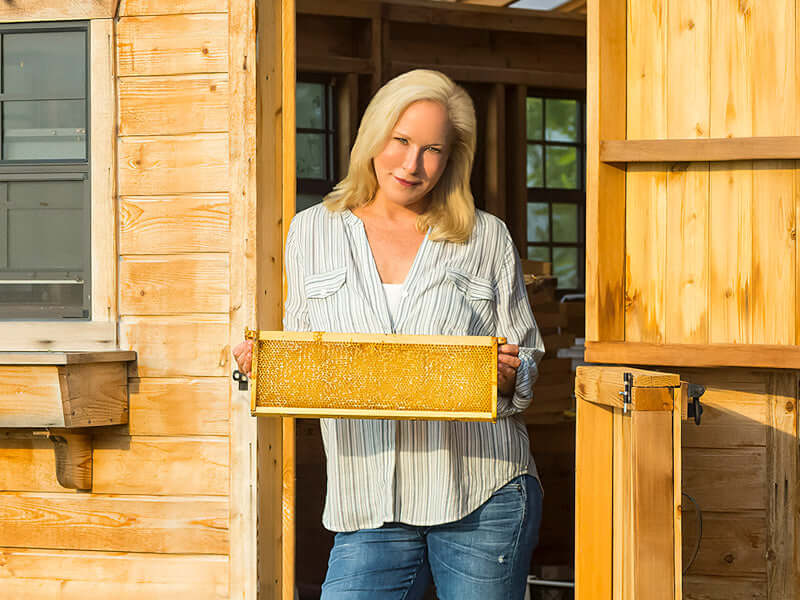


If you follow a gluten‑free diet, one of the first questions that comes up in the kitchen is a simple one: is honey gluten free? I hear it all the time from folks who’ve been burned by hidden ingredients on a label, and I’m glad to give you a clear answer. Pure honey is naturally gluten‑free, because it comes from flower nectar rather than from any grain. Below I’ll walk you through why that’s true, where the real risks actually hide, and how we handle honey here on the farm so you can cook and bake with confidence.
The Short Answer: Is Honey Gluten Free?
Yes. Honey is made entirely from the nectar bees gather from flowers, and it never involves wheat, barley, or rye, the three grains that contain gluten. That means honey in its pure form contains no gluten proteins at all. If you have celiac disease, non‑celiac gluten sensitivity, or you simply choose to avoid gluten, honey belongs on your shortlist of naturally gluten‑free pantry staples. The nuance, and there’s always a little nuance, is that a jar can pick up gluten from things added after the bees have done their work. I’ll get to that in a moment.
Why Honey Is Naturally Gluten Free
To understand why honey starts out gluten‑free, it helps to know how honey is made. The whole process happens between flowers and the hive, with no grain anywhere in sight:
- Nectar collection. Foraging bees sip sweet nectar from flowers, gathering a little pollen along the way.
- Natural processing. Back at the hive, bees pass the nectar mouth to mouth, and enzymes gradually turn its complex sugars into simpler ones.
- Storage in the comb. The bees tuck the ripening honey into the wax cells of the honeycomb.
- Drying and capping. They fan the comb with their wings to drive off moisture until the honey thickens, then seal each cell with a cap of wax.
At no point does honey touch wheat, barley, or rye. That’s the whole reason pure honey is inherently gluten‑free, straight from the source.
Pollination is a vital process for our whole ecosystem.
Where Gluten Can Sneak In
Here’s the part worth paying attention to, especially if you’re highly sensitive. Pure honey is gluten‑free, but not every jar on a grocery shelf stays that way. A few things can change the picture:
Shared processing equipment. If honey is bottled in a facility that also handles wheat or other gluten grains, there’s a chance of cross‑contact through shared equipment.
Added ingredients. Some flavored or blended honey products include extra ingredients, and occasionally one of those contains gluten. This is why reading the label matters even on something as simple as honey. Labels repay attention generally, and our guide to choosing honey with confidence covers what else is worth checking.
Your own kitchen. The most common source of stray gluten is closer to home than most people think. Dipping a crumb‑covered knife back into the jar, or double‑dipping a spoon that touched toast, can introduce gluten. A clean utensil every time solves it.
Is Honey Safe for Celiac Disease?
For most people managing celiac disease, pure honey is a welcome option precisely because it starts out gluten‑free and stays that way when it hasn’t been blended with gluten‑containing add‑ins or exposed to cross‑contact. The safest approach is the same one you already use for every other food: check the ingredient list, know how the product is made, and when in doubt, choose honey that’s clearly labeled. If you have specific concerns about your own diagnosis, your doctor or a registered dietitian is always the best person to weigh in on what’s right for you.
How We Handle Honey at Bee Inspired
Transparency is something I care about deeply, so here’s exactly how we approach it. We work with a small circle of beekeepers we trust, from our own hives on Kent Island to growers beside specific blooms around the country and the world. Our honey is minimally filtered and never pasteurized, so what ends up in the jar is honey and nothing else, no fillers and no additives. Every jar tells you exactly what the bees were visiting when they made it, and because we bottle in small batches by hand in Owings Mills, we can check the character of each run before it ships. We’re also Star‑K kosher certified, which means our production is independently supervised.
Raw, Filtered, and Flavored Honey: What to Know
Understanding the different styles of honey makes label‑reading easier:
Minimally filtered honey. This is honey in its most natural state, never heated much and only lightly strained, so it keeps its pollen and naturally occurring enzymes. On its own, it’s gluten‑free. Curious about the difference from grocery‑store honey? Our guide to minimally filtered honey versus regular honey breaks it down.
Filtered or gently heated honey. Some honey is warmed and filtered for a smoother, longer‑liquid product. With no gluten add‑ins, it’s still gluten‑free.
Flavored or blended honey. This is the category to read closely. Most flavored honey is fine, but because extra ingredients are involved, it’s worth a quick label check if gluten is a concern for you.
Cooking and Baking Gluten Free with Honey
This is my favorite part, because honey is such a natural fit for gluten‑free cooking. It brings moisture, depth, and a floral character that refined sugar just can’t match. If you’re swapping honey in for sugar, our guides to substituting honey for sugar and baking with honey walk you through the ratios and small adjustments that make it work.
To see it in practice, our gluten-free apple pie uses a white rice flour crust and a filling built around Spring Honey, lemon, cinnamon, and nutmeg.
Gluten‑free breakfasts
Drizzle honey over gluten‑free oatmeal or granola, stir a spoonful into a smoothie, or spread it over a slice of gluten‑free nut and seed bread with almond butter.
Gluten‑free baking
Use honey as the sweetener in gluten‑free cookies and cakes, make honey‑sweetened pumpkin muffins with almond flour, or fold it into no‑bake granola bars with nuts and dried fruit.
Gluten‑free dressings and sauces
Whisk honey with olive oil and herbs for a simple salad dressing, stir together a homemade honey mustard, or build a marinade that skips gluten‑containing soy sauce in favor of tamari. Craving something for game day? Our gluten‑free honey garlic wings are a crowd favorite.
Choosing Your Honey
Whether you’re living with celiac disease, managing a sensitivity, or simply keeping refined sugar out of your pantry, honey is a naturally gluten‑free ingredient you can build a lot of good food around. If you’d like to explore, our Eastern Shore Honey collection is full of single‑varietal honeys, each tasting like the flowers the bees actually visited. Taste a few side by side and you’ll see how much personality a jar of real honey can have.
This article is for general educational purposes and isn’t a substitute for personalized advice. If you have celiac disease or another medical condition, please consult your healthcare provider or a registered dietitian about your individual diet.
FAQs About Gluten Free Honey
Can honey contain gluten?
Pure honey does not contain gluten, because it comes from flower nectar rather than from wheat, barley, or rye. Gluten can only appear if it’s introduced afterward, through added ingredients or cross‑contact during processing, which is why reading labels is still worthwhile.
Is honey safe for people with celiac disease?
Pure honey is naturally gluten‑free and is generally a good fit for a celiac‑friendly diet, as long as it hasn’t been blended with gluten‑containing ingredients or exposed to cross‑contact. Check the label, and talk with your healthcare provider about your specific needs.
Does honey from bees near wheat fields contain gluten?
No. Bees gather nectar from flowering plants, not from wheat, barley, or rye, which are wind‑pollinated grasses. Even hives kept near grain fields produce gluten‑free honey.
How can I make sure my honey is gluten free?
Choose pure honey with a simple ingredient list, favor products that are clearly labeled, and check flavored or blended honey especially closely. At home, always use a clean utensil to keep bread crumbs out of the jar.