

Somewhere around the second week of September, your face starts telling you the season changed before the calendar does. It feels a little tighter after washing. The summer glow looks more like summer leftovers. And the light gel moisturizer that carried you through August suddenly is not enough. That is your cue for an autumn facial, and you can do the whole thing at home in about twenty minutes with a dry clay mask, a spoonful of honey, and warm water.
This is the seasonal reset we recommend every fall, and it is deliberately simple. No ten-step routine, no new cabinet of products. Just a gentle lift of what summer left behind, a good dose of moisture, and a few minutes of quiet before the holiday rush starts.
Why Your Skin Feels Different in Fall
Two things change at once when summer ends. The humidity drops, so the air around you holds less moisture, and the temperature drops, so you start spending more time indoors with the heat on. Both pull water out of the top layer of your skin, and both happen gradually enough that you may not notice until your face feels dry, dull, or flaky.
Summer leaves its own residue, too. Months of sunscreen, sweat, and humidity tend to leave skin looking a little congested and uneven. So an autumn facial has two jobs: clear away the loose, flaky surface cells that make skin look dull, and bring moisture back before the real cold arrives. If you get ahead of it now, winter skincare is a lot easier.
What Makes This an Autumn Facial (and Not Just a Face Mask)
A face mask on its own is one step. A facial is the sequence around it: cleanse, prep, mask, rinse, then layer moisture back in while skin is still damp. The mask does the visible work, but the steps on either side are what make your face feel soft and comfortable for the rest of the week instead of just for the next hour.
We build ours around a dry mask mixed with honey because the two do different things. Clay and oats give the mask its texture and lift loose surface cells and excess oil as they dry. Honey is a humectant, meaning it draws moisture toward the skin, and it keeps the mask from drying into the tight, cracking clay that makes you want to rinse early. Mixed together, the mask dries to a soft, slightly tacky finish and rinses off leaving skin that feels smooth rather than stripped.

The Honey Autumn Facial, Step by Step
Set aside twenty minutes. Everything below uses one of our dry face masks, a spoonful of any Eastern Shore honey, and warm water. The full measurements are on the recipe card at the bottom of this post.
1. Cleanse
Wash with a gentle cleanser and warm (not hot) water, then pat your face mostly dry. Leaving it slightly damp helps the mask spread evenly. If you have a few extra minutes, a bowl of steaming water and a towel over your head softens skin so the mask goes on smoother. Our DIY honey face masks guide covers the prep in more detail.
2. Mix the mask
In a small bowl, stir two teaspoons of dry mask powder with one teaspoon of honey, then add warm water a few drops at a time until you have a thick, spreadable paste. Our masks are formulated at two parts powder to one part liquid, so the honey counts toward the liquid. If it is too stiff, add water; too loose, add a pinch more powder. Mix only what you will use today.
3. Apply
Spread an even layer over your face and neck with clean fingers or a mask brush, keeping clear of the skin right around your eyes and lips. A little goes a long way. You want a layer thick enough that you cannot see skin through it, not a thick crust.
4. Wait
Leave the mask on for ten to twenty minutes. With honey in the mix it will set but stay slightly tacky rather than cracking, which is exactly what you want. This is a good moment to sit with a cup of tea. If you would rather keep moving, dry brushing the rest of your body while the mask sets turns this into a head-to-toe fall ritual.
5. Rinse
Use warm water and a soft washcloth to loosen the mask, then rinse until the water runs clear. Skip the scrubbing; the mask has already done the work. Pat dry, but leave your skin a little damp for the next step.
6. Mist, oil, and moisturize
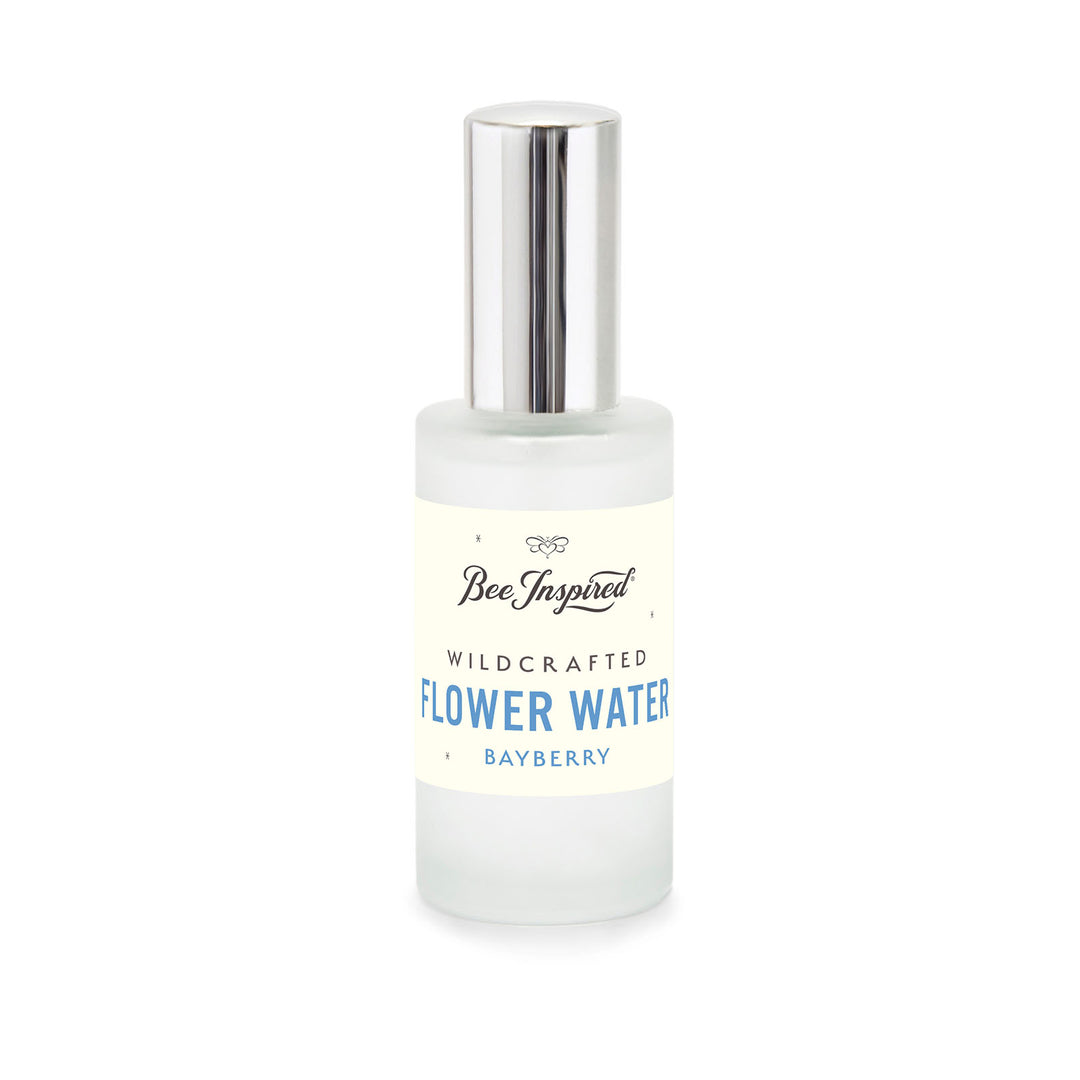
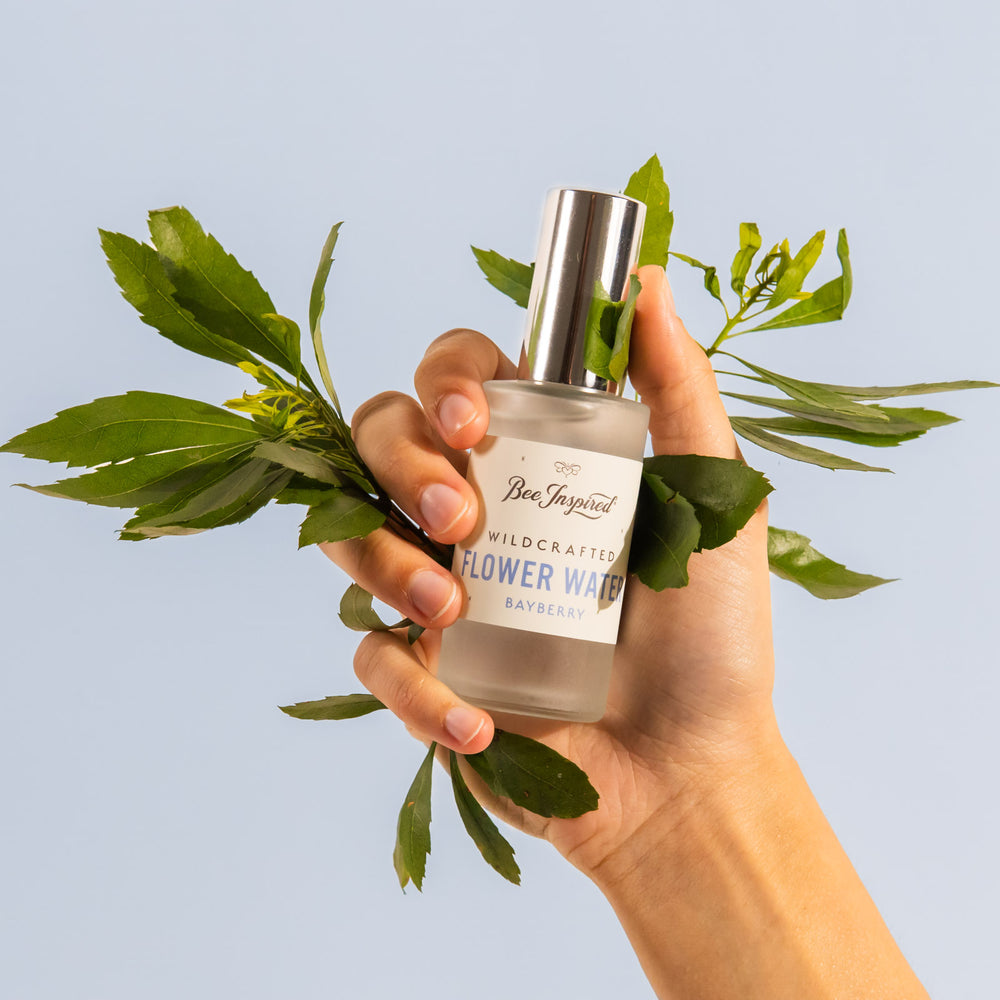
This is the part most people skip, and it is the part that makes the difference. While your face is still damp, mist with Lavender Flower Water, then press two or three drops of Rose Face Oil into your skin. Finish with whatever moisturizer you normally use. Applying oil and cream to damp skin is the simplest way to keep your face feeling soft as the air gets drier; our post on honey as a moisturizer explains why the damp-skin step matters so much.

Choosing Your Dry Mask for Fall
All three of our dry masks are mixed in small batches in our Owings Mills lab from coconut fruit juice powder, kaolin clay, dried honey, and bentonite. They differ in what is layered on top, and that is how you pick.
Calming Dry Mask
The Calming Dry Mask adds oat kernel meal and lavender flower powder to the base. If your face already feels tight and dry by mid-September, or reacts to everything, start here. It is the gentlest of the three and the natural starting point once the heat comes on.
Clarity Dry Mask
The Clarity Dry Mask blends white and pink kaolin clay with buttermilk powder and oats. Pick this one if summer left your skin looking shiny, congested, or uneven. The clays absorb excess oil as the mask dries, and the buttermilk gives it a soft, refining finish.
Sea+Tea Dry Mask
The Sea+Tea Dry Mask brings in Moroccan lava clay, kelp powder, and green tea leaf extract. It is our middle option, good for combination skin, and the one to use if you want the fresh-feeling, just-had-a-facial finish without the tightness. It goes on a deep green and rinses clean.
If you are not sure, alternate. Clarity one week and Calming the next covers most fall skin, and one ounce of powder used weekly lasts several months, so there is room to experiment.

Which Honey to Mix In
Any of our Eastern Shore honeys works in a face mask, so use what is already open in your kitchen. If you want a jar that feels like the season, Cranberry Honey is our fall pick, with a tart, bright character that is just as good in your tea afterward. Autumn Honey, gathered from goldenrod and aster as the bees work the last blooms of the year, is the darker, deeper choice, with the last of the year's wildflowers in it.
One practical note: honey is sticky, and that is the point. Measure it with a teaspoon you can rinse right away, and mix it into the powder before adding water so it blends evenly instead of clumping.
How Often to Do an Autumn Facial
Once a week is plenty. Fall skin is already dealing with drier air, and masking more often can leave your face feeling tight. Pick a consistent evening, Sunday works well for most people, and keep it through October and November. By the time the first real cold snap hits, your skin will already be in a moisture-first rhythm.
A few small things that make a difference:
- Patch test any new mask or honey on the inside of your wrist and wait 24 hours before using it on your face.
- Mix fresh every time. Dry masks keep for months because there is no water in the jar; once you add liquid, use it and discard the rest.
- Rinse with warm water, not hot. Hot water leaves skin feeling tighter, which defeats the purpose.
- Do the mist-and-oil step within a minute of rinsing, while skin is still damp.
Make It a Whole-Body Fall Ritual
The facial is the face-only version of what we do all over in autumn. In the shower, the Autumn Harvest Body Scrub uses cane sugar and honey crystals to polish arms, legs, and shoulders, and Autumn Harvest Body Butter on damp skin afterward carries the same pumpkin, cinnamon, and clove scent through the evening. You can get both together in the Autumn Harvest Body Care Duo, and everything seasonal lives in our Autumn Prosperity Collection.
If you want to build a full day around it, our Autumn Harvest experience guide walks through a morning-to-night version, and the facial above slots neatly into its afternoon self-care hour.
A Twenty-Minute Reset for the Season
You do not need a new routine for fall. You need one good habit that carries you from the last warm weekend into the first cold one, and a weekly honey facial is about as easy as that habit gets. Mix, apply, wait, rinse, and put the moisture back. Your face will feel softer by the second week, and you will have a standing appointment with yourself that costs less than a single spa visit and fits between dinner and bedtime.
Ready to start? Pick your dry mask, grab the honey, and give yourself twenty minutes this Sunday.
FAQs about Honey Face Mask Rituals
Should I change my skincare routine in the fall?
A few small changes help. Lower humidity and indoor heat make skin feel drier and tighter as fall arrives, so most people benefit from a richer moisturizer, gentler exfoliation, and a weekly mask. You do not need to replace everything at once; adjust one step at a time and see how your skin feels.
How do you do a facial at home in the fall?
Cleanse with warm water, mix a dry clay mask with a teaspoon of honey and a little warm water into a thick paste, apply an even layer to face and neck, wait ten to twenty minutes, rinse with warm water, then mist, apply a few drops of face oil, and moisturize while skin is still damp. The whole routine takes about twenty minutes.
Can you mix honey into a clay face mask?
Yes. Stir the honey into the dry powder first, then add warm water a few drops at a time until the paste spreads easily. Honey is a humectant, so the mask stays slightly tacky as it sets instead of drying into a tight, cracking layer, and it rinses off leaving skin feeling soft rather than stripped.
How often should you do a face mask in the fall?
Once a week is enough for most skin in autumn. The air is already drier, and masking more often can leave your face feeling tight. Pick a consistent evening and keep it up through October and November so your skin is in a moisture-first rhythm before winter.
Which dry mask is best for autumn skin?
It depends on how your skin looks after summer. Calming Dry Mask, with oats and lavender, suits skin that already feels dry or tight. Clarity Dry Mask, with pink and white clay and buttermilk, suits skin that looks shiny or congested. Sea+Tea Dry Mask, with kelp and green tea, is a good middle option for combination skin. Alternating between two also works well.
What should you put on your face after a clay mask?
Rinse with warm water, pat mostly dry, and then, while skin is still damp, mist with a flower water, press in a few drops of face oil, and finish with your usual moisturizer. Applying moisture to damp skin is the step that keeps your face feeling comfortable in drier fall air.