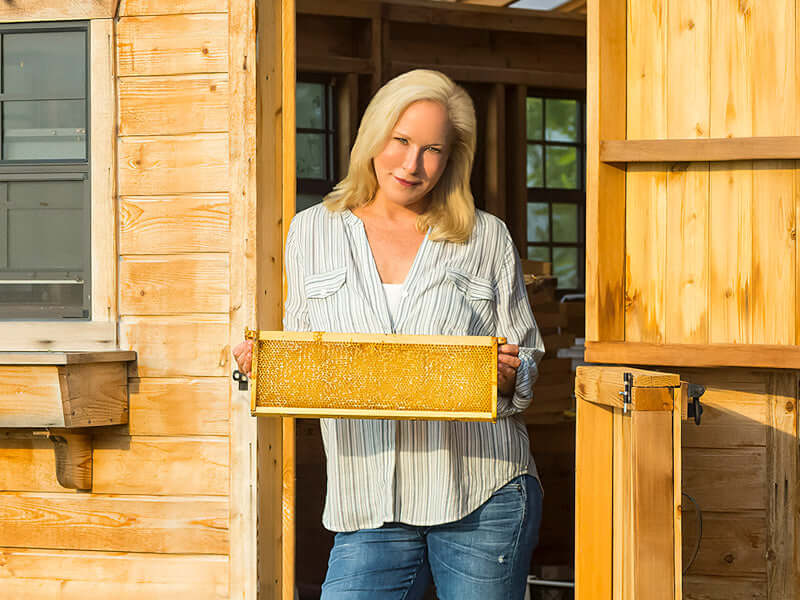


If there's one ingredient that belongs in both your kitchen and your skincare routine, it's raw honey. We've been keeping bees on Maryland's Eastern Shore for years, and the more we work with honey, the more uses we find for it — including on our faces. A DIY honey face mask is one of the simplest, most satisfying ways to give your skin a little extra attention, and you probably already have most of what you need at home.
This guide covers everything: how to prep your skin before masking, which homemade honey face mask works best for your skin type, and what to reach for when you'd rather skip the mixing and go straight to the good stuff.

Why Honey Works So Well as a Face Mask
Raw honey is a natural humectant, meaning it draws moisture toward the skin and helps it stay there. It's also remarkably gentle — gentle enough for daily use on most skin types — and it pairs beautifully with other natural ingredients like oats, avocado, clay, and essential oils. The result is a customizable base that you can build on depending on whether your skin is dry, oily, combination, or sensitive.
For the best results in any DIY honey face mask, reach for raw, unfiltered honey. Our Eastern Shore Honey varietals are harvested from our own hives and bottled unprocessed, so all of honey's natural properties remain intact. Lighter varietals like our Sunflower Honey have a mild, sweet flavor profile that works beautifully in DIY masks, while darker varieties like Buckwheat have a richer, earthier character. Both are wonderful on skin.

How to Prepare Your Skin Before Masking
Getting more out of your mask starts before you open the jar. A few simple steps make a real difference in how your skin looks and feels afterward.
Step 1: Cleanse
Start with freshly washed skin. Applying a mask to a face with the day's buildup on it means your ingredients are working through a layer of impurities first. Cleanse gently, then pat your face mostly dry — leaving it slightly damp helps mask ingredients spread and absorb more easily.
Step 2: Steam (Optional but Worth It)
If you have a few extra minutes, facial steaming before a mask is a game changer. Brew a cup of one of our teas — Blue Butterfly Pea Flower Tea, Good Night Tea, or BeauTea all work wonderfully — then lean your face over the steam with a towel draped over your head. A few minutes of gentle steam helps soften skin and get it ready to absorb what you're about to apply. Our Ultimate Guide to Facial Steaming walks you through the whole process.
Step 3: Apply Your Mask
Whether you're mixing your own or reaching for one of our dry masks, apply an even layer to your face and neck, avoiding the delicate skin directly around your eyes and mouth. Relax for 10 to 20 minutes, then rinse thoroughly with warm water. Follow with your usual toner and moisturizer.

DIY Honey Face Masks by Skin Type
One of the best things about making your own face masks is that you can tailor the ingredients to exactly what your skin is asking for. Here are our go-to DIY honey face mask recipes for every skin type — each one uses raw honey as its base, with other natural ingredients layered in for a targeted experience.
For Dry or Dull Skin: Honey Avocado Face Mask
Dry skin craves moisture and richness, and this combination delivers both. Mash half a ripe avocado with one to two tablespoons of Bee Inspired honey and a small splash of sunflower oil. Apply to your face and neck, leave it on for 10 minutes, then rinse and follow with your moisturizer. Your skin will feel noticeably softer and look more luminous. Get the full recipe in our Honey Avocado Face Mask guide.
For Sensitive or Irritated Skin: Bee Well Honey Oat Face Mask
Oats and honey are one of the most time-tested combinations in natural skincare, and for good reason. Together they create a gentle, creamy mask that lightly exfoliates while helping skin look and feel calm. Our Bee Well DIY Face Mask combines fine-ground oats, Bee Inspired honey, and a few drops of lavender, frankincense, and clary sage essential oils for a grounding, spa-like experience that sensitive skin tends to love. A few cucumber slices over the eyes while the mask works is a nice touch.
For Oily or Congested Skin: Honey and Activated Charcoal Mask
This one is simple to mix and does a thorough job of helping skin look visibly cleaner. Combine two tablespoons of Bee Inspired honey with four tablespoons of nut milk and half a capsule of activated charcoal. The clay-like draw of charcoal helps skin look clearer, while honey keeps the whole thing from feeling too stripping. No activated charcoal? Two teaspoons of bentonite or rose clay work beautifully as a substitute, absorbing surface oil and leaving skin looking matte and refreshed.
For All Skin Types: DIY Spirulina Honey Face Mask
Spirulina is a blue-green algae packed with vitamins and minerals, and when combined with raw honey it makes for a vibrant, nutrient-rich mask that leaves skin looking bright and refreshed. The color is startling (you will look like a swamp creature, and we mean that lovingly), but the results are genuinely impressive. The full recipe, including optional add-ins like evening primrose oil, is in our DIY Spirulina Face Mask post.
For Tired-Looking Eyes: Honey Under-Eye Mask
The delicate skin under your eyes deserves its own attention. Our Honey Under-Eye Mask uses just four ingredients — raw honey, aloe vera, and a couple of nourishing oils — to help the eye area look more rested and refreshed. Cool aloe vera helps the area look less puffy, while honey and oils work to soften and hydrate the skin. Keep the mixture in the fridge for an extra-refreshing application.
For Face and Body: Honey Oat Scrub
Sometimes you want something that does double duty. This Honey Oat Scrub works as both a gentle exfoliating scrub and a leave-on mask. Mix it up, apply it, and if you have time, let it sit for 10 to 15 minutes before rinsing. Add a dollop of plain yogurt for a little extra nourishment. Your skin will feel smoother and look brighter.
For a Full Spa Night: Milk and Honey Oatmeal Bath
If you're going all in on self-care, skip the face mask and do the whole thing. Our Milk and Honey Oatmeal Bath is an indulgent full-body treatment that leaves skin feeling silky and looking refreshed from head to toe. Add a few drops of lavender for a truly spa-like soak.
Add Fruit to Brighten Your Complexion
Here's a fun, seasonal twist: mash one ripe organic strawberry with a tablespoon of Bee Inspired honey and a spoonful of plain yogurt. The result is a bright, fruity mask that smells incredible and leaves your complexion looking more even and luminous after just 10 minutes. Rinse and follow with toner and moisturizer.

Our Ready-to-Mix Dry Mask Collection
Not every spa night comes with time to chop avocados or track down activated charcoal. That's exactly why we developed our line of dry face masks — powdered formulas you mix fresh with your liquid of choice right before you use them. No preservatives needed, no waste, and completely customizable depending on what your skin needs that day.
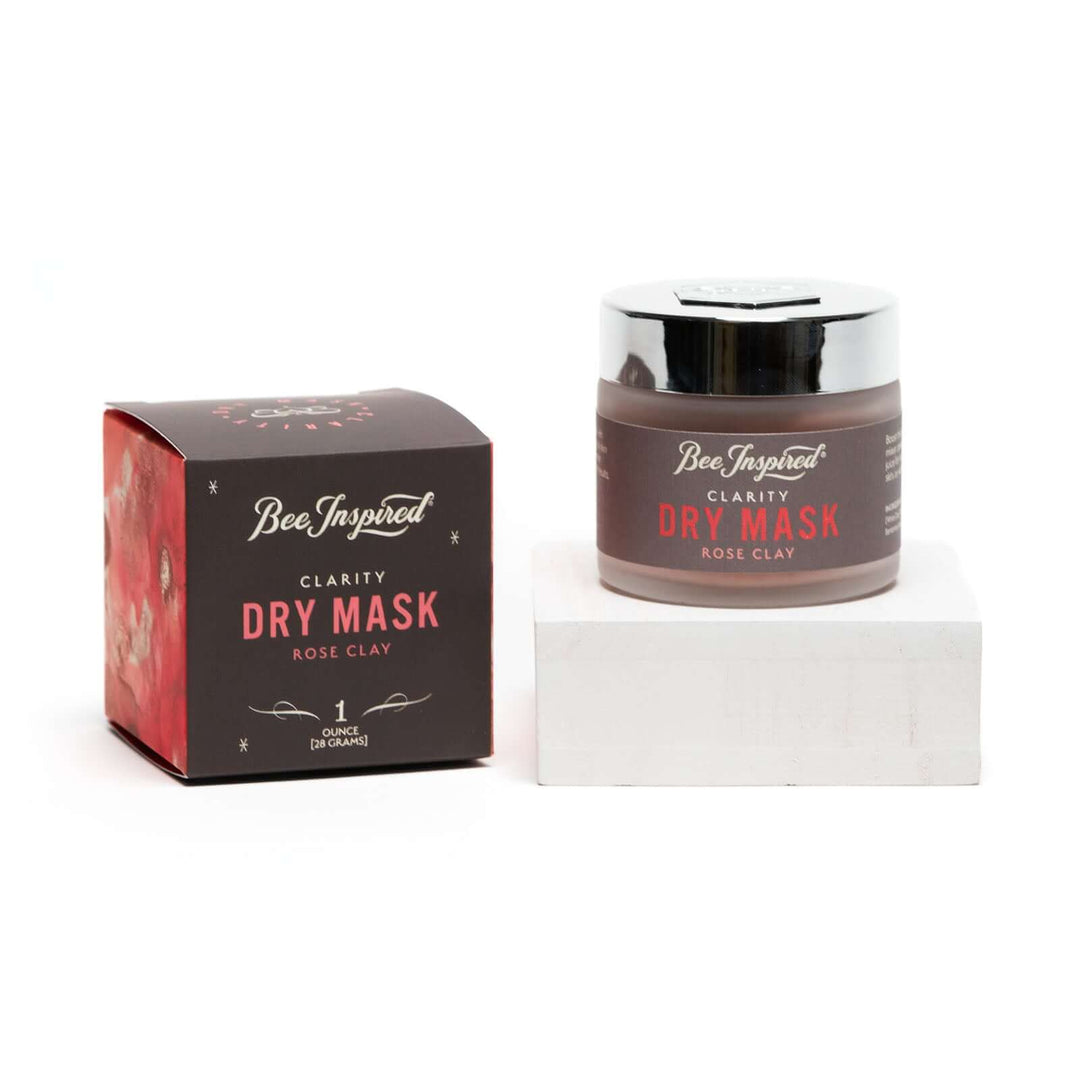
Clarity Dry Mask
Designed for oily and combination skin, Clarity combines pink and white clays with buttermilk powder for a thorough cleansing experience that leaves skin looking visibly cleaner and more balanced. Mix it with water, carrot juice, green tea, or almond milk depending on your skin's needs that day. One jar makes 8 to 12 masks.
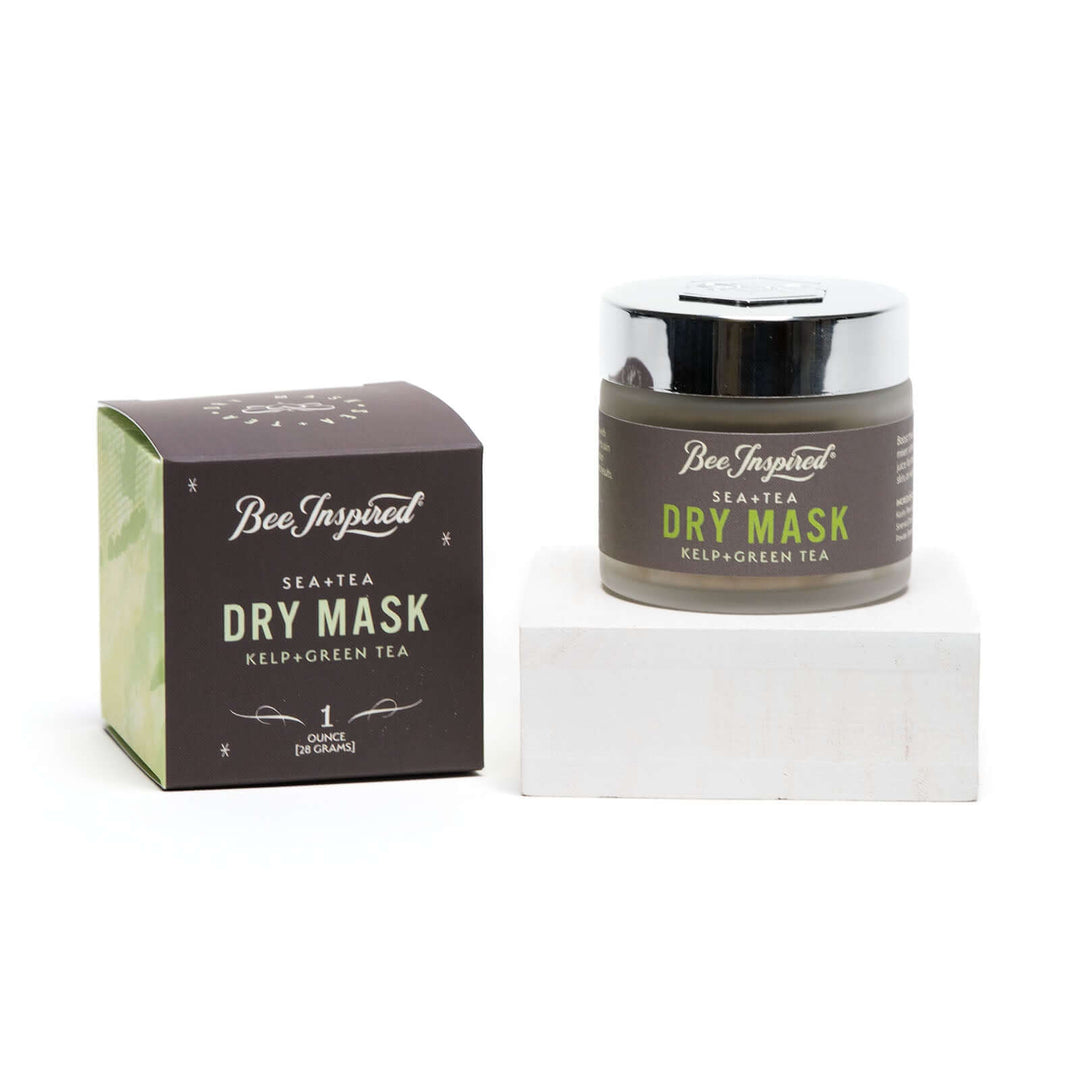
Sea+Tea Dry Mask
This blend of green tea, seaweed, and mineral clays is our go-to for skin that looks tired or dull. It leaves skin appearing more refined and refreshed, with a clean, slightly tingly finish. It's also wonderful mixed with cooled green tea for an extra layer of that botanical experience.
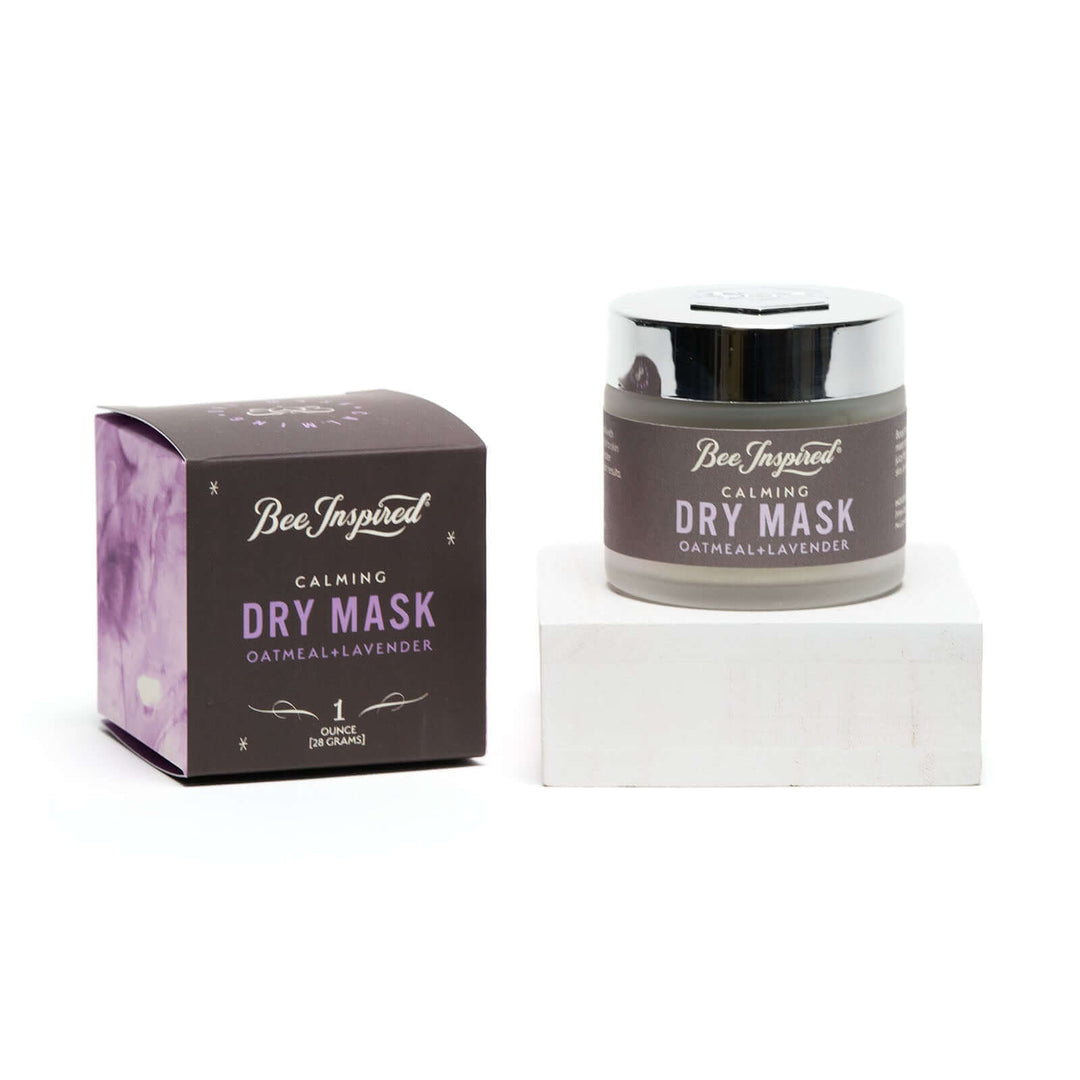
Calming Dry Mask
Formulated specifically for sensitive skin, the Calming Mask blends oats, lavender, clay, and honey into a gentle powder that's soft enough for even reactive complexions. It's the one we reach for when skin looks red or feels easily irritated — it leaves your complexion appearing softer and more even. Mix with water, milk, or a little extra honey for added richness.
All three masks can also be mixed with raw honey directly for an intensely nourishing treatment. And if you're planning a pajama party or a self-care night in, they make a genuinely fun group activity — everyone mixes their own, picks their liquid, and compares notes.

Tips for Getting the Most Out of Your Honey Face Mask
A few things worth knowing before you start:
Always do a patch test before trying any new mask — apply a small amount to the inside of your wrist or along your jawline and wait 24 hours to make sure your skin agrees with the ingredients. Honey is very well-tolerated by most people, but essential oils and add-ins like cinnamon or spirulina can occasionally cause sensitivity in those with reactive skin. For a full step-by-step guide, try our honey cinnamon face mask recipe.
Apply your mask to damp skin whenever possible. It spreads more evenly and absorbs better than it would on completely dry skin. Rinse with warm (not hot) water, follow with toner, and seal everything in with your moisturizer while your skin is still slightly damp. For your full natural skincare routine with honey, our Complete Guide to Honey Skincare has you covered.
Once or twice a week is plenty for most masks. Overdoing it — especially with clay-based formulas — can leave skin feeling dry and tight, which is the opposite of what we're going for.
If you try one of these DIY honey face masks and love the results, we'd genuinely love to see it. Share a photo using #beeinspired on Instagram and tag us — we feature customer photos regularly and would love to add yours to the collection.

Frequently Asked Questions About Honey Face Masks
How do you make a DIY honey face mask?
The simplest honey face mask is raw honey on its own. Apply a thin layer to clean, slightly damp skin, leave it on for 10 to 20 minutes, then rinse with warm water. From there, you can build on the base by adding mashed avocado for dry skin, fine-ground oats for sensitive skin, or clay for oily skin. All of our DIY honey face mask recipes above use Bee Inspired raw honey as the starting point, with other natural ingredients layered in based on your skin type.
How long should you leave a honey face mask on?
Most honey face masks work well with 10 to 20 minutes of wear time. Shorter sessions are fine for everyday gentle use, while 15 to 20 minutes gives clay-based or ingredient-heavy masks more time to do their thing. Leaving any mask on too long — particularly one containing clay — can draw more moisture out of skin than intended, so set a timer and rinse on schedule.
Can you use raw honey directly on your face?
Yes. Raw honey is gentle enough to apply directly to clean skin as a simple, single-ingredient mask. Apply it to slightly damp skin to reduce stickiness, leave it on for 10 to 20 minutes, and rinse thoroughly with warm water. Our Original Honey Body Scrub, made entirely from crystallized honey, also doubles as a face mask — apply to a damp face, leave on for 20 minutes, then rinse.
What is the best honey for face masks?
Raw, unfiltered honey is the best choice for any DIY face mask because it retains all of honey's natural properties in their most intact form. Processed or heat-treated honey loses many of the qualities that make it so well-suited for skincare. Among raw honey varietals, lighter varieties like Sunflower have a mild, easy-to-work-with consistency, while darker varieties like Buckwheat have a thicker texture and a richer character. Both work beautifully in homemade masks.
How often should you use a honey face mask?
Once or twice a week is ideal for most skin types. If you're using a mask with clay or exfoliating ingredients (like oats or spirulina), spacing sessions out gives your skin time to rebalance between treatments. Plain honey masks are gentler and can be used a bit more frequently if your skin enjoys them. Always follow any mask with toner and moisturizer to lock in the results.
What is a dry face mask and how is it different from a DIY honey mask?
A dry face mask is a powdered formula you mix fresh with a liquid of your choice right before each use — no preservatives needed because the water-based ingredients are only combined at the moment of application. Our Clarity, Sea+Tea, and Calming dry masks all fall into this category. The main difference from a fully DIY mask is convenience: the powders are pre-formulated and ready in seconds, while DIY recipes give you complete control over every ingredient you add. Both approaches use raw honey as a central ingredient — our dry masks contain honey powder, and our DIY recipes call for fresh raw honey from our Eastern Shore collection.