

Discover seasonal citrus and honey recipes — from cocktails and breads to savory dinners and elegant desserts — designed to celebrate winter's brightest flavors.
There is a particular magic that happens when winter settles in. Just as the days grow shorter and the air turns crisp, nature gifts us her brightest, most vibrant jewels: citrus fruits. Living seasonally means embracing these natural rhythms — finding joy in the produce that arrives just when we need a burst of sunshine the most.

Citrus season is a reminder that even in the quietest months of the year, the earth is providing for us. And there is no better companion for the bright acidity of lemons, oranges, and grapefruits than the golden, grounding sweetness of pure minimally filtered honey. It is a partnership forged in nature — after all, it is the bees who visit the citrus blossoms to begin the cycle of growth.
🍊 Citrus Season Quick Guide
When is citrus season? Citrus is typically at its peak from November through April, when oranges, grapefruits, lemons, and mandarins are at their sweetest and most flavorful. In Florida and California, citrus harvest begins in late fall and continues through early spring, depending on the variety. This is when you want to be cooking with them.
Best citrus fruits to cook with in winter
- Blood oranges — deep jewel-toned color, berry-like flavor, peaks December–March
- Cara Cara oranges — sweeter, lower acidity, beautiful blush-pink flesh
- Meyer lemons — fragrant, less tart than standard lemons, available November–May
- Grapefruit — bold, slightly bitter, excellent for cocktails and salads
- Mandarins — easy-peel, naturally sweet, great for snacking and grain bowls
- Navel oranges — the reliable classic; widely available all winter
Why honey pairs perfectly with citrus
Honey balances acidity, enhances natural sweetness, and creates smooth, layered flavors in both savory and sweet recipes. Because honey is more complex than refined sugar — with floral notes and subtle mineral depth depending on the varietal — it brings something genuinely interesting to citrus dishes that plain sweetener simply can't.
Jump to a Recipe
- Romantic Honey Paloma
- Meyer Lemon Honey Focaccia
- Blood Orange Glazed Carrots
- Citrus Salad with Honey Vinaigrette
- Honey Citrus Fennel Chicken
- Blood Orange Honey Olive Oil Cake

Why Citrus and Honey Work So Well Together
Before we get to the recipes, it helps to understand what makes this pairing so reliably wonderful — and why reaching for honey instead of sugar makes such a difference in the kitchen.
Citrus fruits are naturally high in acidity. That bright, puckering tartness you love in a fresh-squeezed lemonade or a blood orange segment? It comes from citric acid, and it's also what makes citrus so versatile in cooking — it wakes up other flavors and keeps things from tasting flat. The challenge is balancing it without just adding sugar and calling it done.
Honey does something different. Unlike refined sugar, which adds sweetness and little else, honey brings its own flavor profile into the mix. Orange Blossom Honey has delicate floral notes that echo the fruit itself — it is literally made from citrus blossoms, which means the flavor connection is not a coincidence. Want to know more about how it gets that way? Here is everything you need to know about orange blossom honey — where it comes from, what it tastes like, and why the bloom window matters. Wildflower Honey adds a more complex, earthy sweetness that holds up beautifully in savory preparations. The result, in both cases, is not just "sweeter citrus" — it is something genuinely harmonious.
There is also the seasonal overlap to appreciate. Citrus peaks in winter, which is exactly when honey-forward cooking feels most comforting and intentional. A warm citrus honey glaze on roasted vegetables. A honey-sweetened olive oil cake. A bright cocktail with honey syrup instead of simple syrup. These are the flavors of the season, doing what they were always meant to do together.

How to Use Honey Instead of Sugar in Citrus Recipes
One of the most practical things you can do as a cook is swap refined sugar for minimally filtered honey. The flavor payoff is significant, and the technique is simple once you know the ratios.
- The basic conversion — Honey is approximately 1.25–1.5 times sweeter than granulated sugar, so you use less. As a general rule, substitute ¾ cup of honey for every 1 cup of sugar called for in a recipe.
- For baked goods — Reduce the other liquids in your recipe by about 3–4 tablespoons per ¾ cup of honey used, since honey adds moisture. Also reduce your oven temperature by 25°F — honey causes baked goods to brown faster than sugar does.
- For dressings and marinades — No adjustment needed. Simply swap the sugar measure for the same volume of honey, then taste and adjust. Honey emulsifies beautifully with olive oil, making it especially useful in vinaigrettes.
- For cocktails — Make a honey simple syrup. Combine equal parts minimally filtered honey and warm water, stir until fully dissolved, and use in place of simple syrup in any cocktail recipe. It keeps in the refrigerator for up to two weeks. For a richer, more intensely flavored syrup, use a 2:1 honey-to-water ratio.
- Which honey to use for baking vs. cooking? — See the varietal guide below — the choice really does matter for final flavor.
Choose Your Honey: Best Varietals for Citrus Recipes
Not all honey tastes the same, and for citrus recipes specifically, the varietal you reach for can elevate or muddy the final result. Here is what we reach for and why.
Orange Blossom Honey

The natural match for anything citrus. Made from the nectar of orange blossoms at peak bloom in Florida, it carries light floral notes that echo and amplify whatever citrus fruit you are working with. Use it in cocktails, vinaigrettes, and baked goods.
Wildflower Honey

A great all-purpose cooking honey. Its slightly bolder, more complex flavor holds up beautifully to heat, making it ideal for roasted vegetables, savory marinades, and glazes where you want the honey to be present without being precious. Also excellent in savory contexts with grapefruit and blood orange, where the honey needs to punch through bold flavors.
Honeycomb

Best used fresh, not cooked. Lay it alongside a cheese board with citrus accompaniments, crumble it over a finished dessert, or serve it as a garnish on the olive oil cake for a texture and flavor experience that is genuinely special.
Spring Honey

Light and delicate, with a clean sweetness that lets the citrus lead. This is the one to reach for in focaccia dough, lighter vinaigrettes, and any place where you want honey flavor without the earthiness.
Not sure where to start? The Honey Tasting Tower lets you experience multiple varietals side by side — a genuinely useful way to develop your palate and figure out which honey you reach for in different cooking contexts.
Citrus & Honey Pairing Guide
Use this as your quick reference any time you are standing at the farmers market or staring into your pantry. The right honey for the right fruit is a small decision that makes a big difference in the finished dish.
| Citrus Fruit | Peak Season | Best Honey Varietal | Best Uses |
|---|---|---|---|
| Blood Orange | December–March | Orange Blossom Honey | Cocktails, upside-down cake, glazes |
| Meyer Lemon | November–May | Spring Honey | Baking, focaccia, vinaigrettes |
| Grapefruit | December–May | Wildflower Honey | Cocktails, marinades, roasted dishes |
| Cara Cara Orange | December–April | Orange Blossom Honey | Salads, desserts, cheese boards |
| Navel Orange | November–April | Wildflower Honey | Glazed vegetables, sheet pan dinners |
| Mandarins | November–February | Honeycomb | Cheese boards, snacking, light salads |
| Standard Lemon | Year-round | Spring Honey | Dressings, baked goods, tea |
The principle behind all of these pairings is the same: delicate citrus calls for delicate honey; bold citrus can handle a bolder varietal. Blood oranges and grapefruit have enough presence to stand up to Wildflower or Orange Blossom. Meyer lemons and mandarins are more gentle, so Spring Honey or Raw Honeycomb lets the fruit lead rather than compete.

A Complete Citrus Season Menu
One of the things we love about this collection of recipes is that they work beautifully together as a full seasonal menu — or just as well individually on a quiet Tuesday night. Here is how they can fit into a single gathering, or across a week of seasonal cooking.
For a Winter Dinner Party
Start with the Upgraded Honey Paloma as guests arrive. Serve the Citrus Salad with Honey Vinaigrette as a first course — its visual drama sets the tone. Follow with the Honey Citrus Fennel Chicken as the centerpiece, alongside the Blood Orange Glazed Carrots. Close with the Blood Orange Olive Oil Cake, served slightly warm with a drizzle of raw honeycomb.
For a Cozy Family Weekend
Bake the Meyer Lemon Focaccia on Saturday morning — the house will smell incredible and it requires almost no skill. Use the leftover focaccia for lunch with olive oil and good cheese. On Sunday, roast the glazed carrots alongside whatever protein you have on hand, and make a big batch of honey vinaigrette to use all week on grain bowls, salads, and sandwiches.
For Entertaining Without the Stress
The olive oil cake is your best friend here. It bakes up to three days ahead and gets better as it sits. The honey simple syrup for cocktails takes five minutes. The glazed carrots roast hands-free. This is a menu designed for the host who wants to be present with their guests, not chained to the kitchen.

Buying and Storing Citrus for Cooking
Getting the best from citrus starts at the market, and a few simple habits make a real difference.
How to select citrus
Look for fruits that feel heavy for their size — weight indicates juice content. The skin should be taut, not wrinkled or soft. For blood oranges and Cara Caras specifically, the skin color is not always a reliable indicator of ripeness, so go by feel and weight.
Storage
Citrus keeps at room temperature for about a week and in the refrigerator for up to three to four weeks. If you are zesting before juicing, do it before refrigerating — citrus zest is far easier to remove when the fruit is at room temperature and the oils in the skin are active.
Getting the most juice
Roll the fruit firmly on the counter with your palm before cutting. This breaks down the interior membranes and can increase yield by 20–30%. Room-temperature citrus also yields significantly more juice than cold fruit straight from the refrigerator.
On Meyer lemons specifically
These are often available at specialty grocery stores, farmers markets, and sometimes in the regular produce section from late November through spring. If you can't find them, a combination of regular lemon juice and a small amount of orange juice approximates the sweeter, more rounded flavor.

The Recipes
Romantic Upgraded Paloma (Honey Citrus Cocktail Recipe)
We begin with a drink that captures the essence of celebration. While the classic Paloma is a beloved staple, our upgraded version brings a deeper complexity that is perfect for intimate gatherings or a quiet evening in.
This cocktail relies on fresh grapefruit juice for a tart, awakening base. Instead of simple syrup, we use a rich honey syrup — a quick 1:1 mixture of minimally filtered honey and warm water. The floral notes of Orange Blossom Honey soften the sharp edges of the grapefruit, creating a drink that feels balanced and sophisticated rather than just sweet.

Flavor Tip: Rim the glass with a mixture of flaky salt and a small pinch of chili powder for a subtle kick that makes the citrus notes sing.
Serving Tip: Garnish with a sprig of fresh rosemary or a slice of dehydrated grapefruit to elevate the visual appeal. A few drops of aromatic bitters adds another layer of depth.
Seasonal Variation: Try blood orange juice in place of grapefruit for a deeper, jewel-toned version that is stunning for winter dinner parties.
Make it a mocktail: Replace the spirit with sparkling water and a splash of pomegranate juice for an alcohol-free version that is just as beautiful.
🍯 Paloma Honey Pairing
We use Florida Orange Blossom Honey in this cocktail — its floral notes are harvested directly from citrus blossoms at peak bloom, which is exactly why it works so perfectly here.
Looking for more honey cocktail inspiration? See our guide on How to Infuse Honey with Rose for another beautiful seasonal drink.
Handmade Honey Focaccia with Meyer Lemon (Bread Art Recipe)
Baking bread is one of the most grounding activities you can do — it requires patience, warmth, and a gentle touch, and the result is something you can share with people you love. This focaccia takes the rustic, dimpled texture you know and infuses it with the fragrance of Meyer lemons.
Meyer lemons are sweeter and more fragrant than standard lemons, making them a true treasure of citrus season. We knead honey into the dough to add a subtle sweetness to the crumb, and before baking, thin lemon slices and a generous drizzle of olive oil create a golden, caramelized top that is as beautiful as it is delicious.

Flavor Tip: A sprinkle of flaky sea salt and fresh thyme leaves on top before baking adds a savory counterpoint to the sweet lemon.
Serving Tip: Serve warm from the oven as a centerpiece for your table. Focaccia breaks apart easily, encouraging guests to tear and share — a genuine act of connection.
Seasonal Variation: In spring, try thin rounds of Cara Cara orange in place of Meyer lemon for a sweeter, more floral version.
🍯 Focaccia Honey Pairing
Spring Honey works beautifully here — its lighter, delicate flavor complements the lemon without competing with it.
Blood Orange & Lime Glazed Carrots (Honey Roasted Vegetable Recipe)
Side dishes often play a supporting role, but these Glazed Carrots deserve the spotlight. They prove that a simple glaze can transform something humble into something memorable — and that vegetables at their seasonal peak need very little beyond good technique and quality ingredients.
The glaze is a reduction of fresh blood orange juice, lime zest, and honey. As the carrots roast, they become tender and caramelized at the edges, while the citrus glaze turns sticky and vibrant. The slight bitterness of the blood orange cuts through the natural sweetness of the carrots, creating a flavor profile that feels upscale yet completely approachable.

Flavor Tip: Add a pinch of cumin to the glaze for a warm, earthy note that bridges the citrus and the root vegetable beautifully.
Serving Tip: The vivid color of blood oranges makes this a visually stunning addition to any holiday table, Shabbat dinner, or weeknight meal that needs a little drama.
Seasonal Variation: When blood oranges are out of season, navel oranges work well. The color will be more golden than crimson, but the flavor is equally wonderful.
Make it a sheet pan meal: Add chickpeas and red onion to the pan and roast everything together for an easy, complete vegetarian dinner.
🍯 Glazed Carrots Honey Pairing
Wildflower Honey holds up beautifully to the heat of roasting and brings a rich, complex sweetness that complements root vegetables without overpowering them.
Citrus Salad with Honey Vinaigrette (Blood Orange Salad Recipe)
When the weather is gray, we crave color. This salad is a celebration of the full citrus spectrum — jewel-toned slices of blood oranges, the blush pink of Cara Cara oranges, and the pale yellow of grapefruit, arranged like a still life on a platter.
The secret to tying these bold flavors together is the dressing. A citrus and honey vinaigrette emulsifies bright citrus juice with quality olive oil and a generous spoonful of honey. The honey acts as a natural emulsifier — it holds the dressing together while softening the acidity of the fruit, connecting it to the peppery bite of fresh greens like arugula or fennel fronds.

Flavor Tip: A handful of toasted walnuts or pistachios adds crunch and richness that grounds the whole salad.
Preparation Note: Take your time removing the pith when slicing your citrus. Cutting down to the flesh removes any harsh bitterness and lets the delicate texture of the fruit shine. Arranging slices on a platter rather than tossing them in a bowl also turns a simple salad into something that feels intentional.
Seasonal Variation: Add thinly sliced fennel and a few sprigs of fresh mint for a more complex, anise-forward version that pairs beautifully with fish.
🍯 Citrus Salad Honey Pairing
Orange Blossom Honey in the vinaigrette creates a seamless echo of the citrus fruits themselves — the flavor builds on itself in a way that feels almost effortless.
Honey Citrus & Fennel Chicken with Olives (One-Pan Chicken Dinner)
For the main course, a dish that embodies "low effort, high impact." This one-pan chicken dinner is perfect for the home cook who refuses to compromise on flavor.
Chicken thighs roast alongside fennel, olives, and slices of citrus. The marinade — honey, garlic, and citrus juice — caramelizes on the skin during roasting, creating a sticky, savory glaze that is deeply satisfying. Fennel mellows as it cooks, turning sweet and tender, while the olives add a necessary brine to keep everything balanced.

Flavor Tip: Marinate the chicken for at least two hours, or overnight if you can. The honey and citrus need time to penetrate the meat, and the difference between a quick marinade and an overnight one is noticeable.
Serving Tip: Squeeze a little fresh lemon over everything right before serving. That bright hit of raw acidity at the end makes all the other flavors pop — it is the kind of finishing move that professional cooks use constantly.
The Vibe: This meal fills your kitchen with an aroma that feels like a warm invitation. It is rustic, hearty, and perfectly suited for a cozy family dinner where the conversation flows as freely as the wine.
Seasonal Variation: In spring, swap the olives for capers and add baby artichokes to the pan for a version that leans more Mediterranean and fresh.
🍯 Fennel Chicken Honey Pairing
Wildflower Honey is ideal for savory marinades — its bold, complex flavor stands up to garlic, herbs, and the high heat of roasting.
Blood Orange Honey Olive Oil Cake (Honey Dessert Recipe)
No meal is complete without something sweet. This upside-down olive oil cake is one of those desserts that surprises people — it looks sophisticated, tastes complex, and yet it comes together without any special equipment or technique.
We use extra virgin olive oil instead of butter, which pairs beautifully with citrus notes and creates an exceptionally moist, tender crumb that keeps for days. The batter is sweetened primarily with honey, giving the cake a golden color and a lingering, layered flavor that refined sugar simply cannot replicate. Thin slices of blood orange are arranged on the bottom of the pan before the batter is poured — once the cake is flipped after baking, you have a jewel-toned presentation that needs no decoration.

Flavor Tip: A splash of vanilla and a pinch of cardamom in the batter adds warmth that makes the blood orange even more vibrant without announcing itself.
Serving Tip: Serve the cake slightly warm with a piece of Honeycomb alongside and a cup of herbal tea. The cake keeps beautifully for three to four days at room temperature, loosely covered — it actually improves as the flavors settle.
Seasonal Variation: In late winter when Meyer lemons appear at their peak, try a Meyer lemon version of this cake with rounds of lemon on the bottom. The result is brighter, more tart, and equally stunning.
Make it ahead: This is genuinely an ideal make-ahead dessert. Bake it the day before your gathering, let it cool completely, and leave it covered at room temperature. It will be at its very best the next day.
🍯 Citrus Cake Honey Pairing
Orange Blossom Honey in the batter creates a seamless connection to the blood orange topping — the flavors come from the same family and reinforce each other beautifully.
Ready to explore more honey baking? Browse our full collection of minimally filtered honey varietals to find the one that will become your kitchen staple.
How to Build a Citrus and Honey Cheese Board
A beautiful cheese board is one of the easiest ways to let citrus and honey shine without any cooking at all — and it works beautifully as a pre-dinner offering or a casual dessert for a relaxed gathering.
Start with the honey
Place a small jar of Orange Blossom Honey and a piece of honeycomb as the anchors of your board. These give guests two textures and two intensities of honey flavor to play with.
Add the citrus
Thin rounds of blood orange, mandarin segments, and a pile of grapefruit supremes bring the color and acidity that makes everything else on the board taste brighter.
Choose your cheeses
Honey pairs beautifully with aged cheeses (sharp cheddar, manchego, aged gouda) that can hold their own against the sweetness. A creamy chèvre or brie also works wonderfully — the honey soaks into the soft cheese in a way that is almost irresistible.
Fill in with texture
Toasted nuts (especially pecans and pistachios), rosemary crackers, and a few slices of crusty bread complete the picture.
The finishing touch
A small bundle of fresh rosemary or thyme placed between elements adds fragrance and makes the whole board look like it took much more effort than it did.

This is the kind of thing you can have on the table in 15 minutes with no cooking required — and it showcases exactly why honey and citrus belong together.
Bring Citrus Season Into Your Home
Living seasonally is about more than the ingredients we use — it is about the intention we bring to our cooking and the moments we create around the table. These citrus and honey recipes invite you to celebrate the abundance of winter, to savor the brightness that nature offers even in the coldest months, and to nourish the people you love with food that is genuinely good.
Whether you are baking the Meyer lemon focaccia on a quiet Sunday morning, or surprising someone with the blood orange cake, or simply sitting down with a honey paloma at the end of a long week — you are participating in something that connects us to the natural world. That is what living seasonally really means.
Shop the Honey Behind These Recipes
Florida Orange Blossom Honey — for cocktails, vinaigrettes, and baking
Wildflower Honey — for roasted vegetables and savory glazes
Honeycomb — for cheese boards and dessert garnishes
Honey Tasting Tower — explore all our varietals and discover your favorites
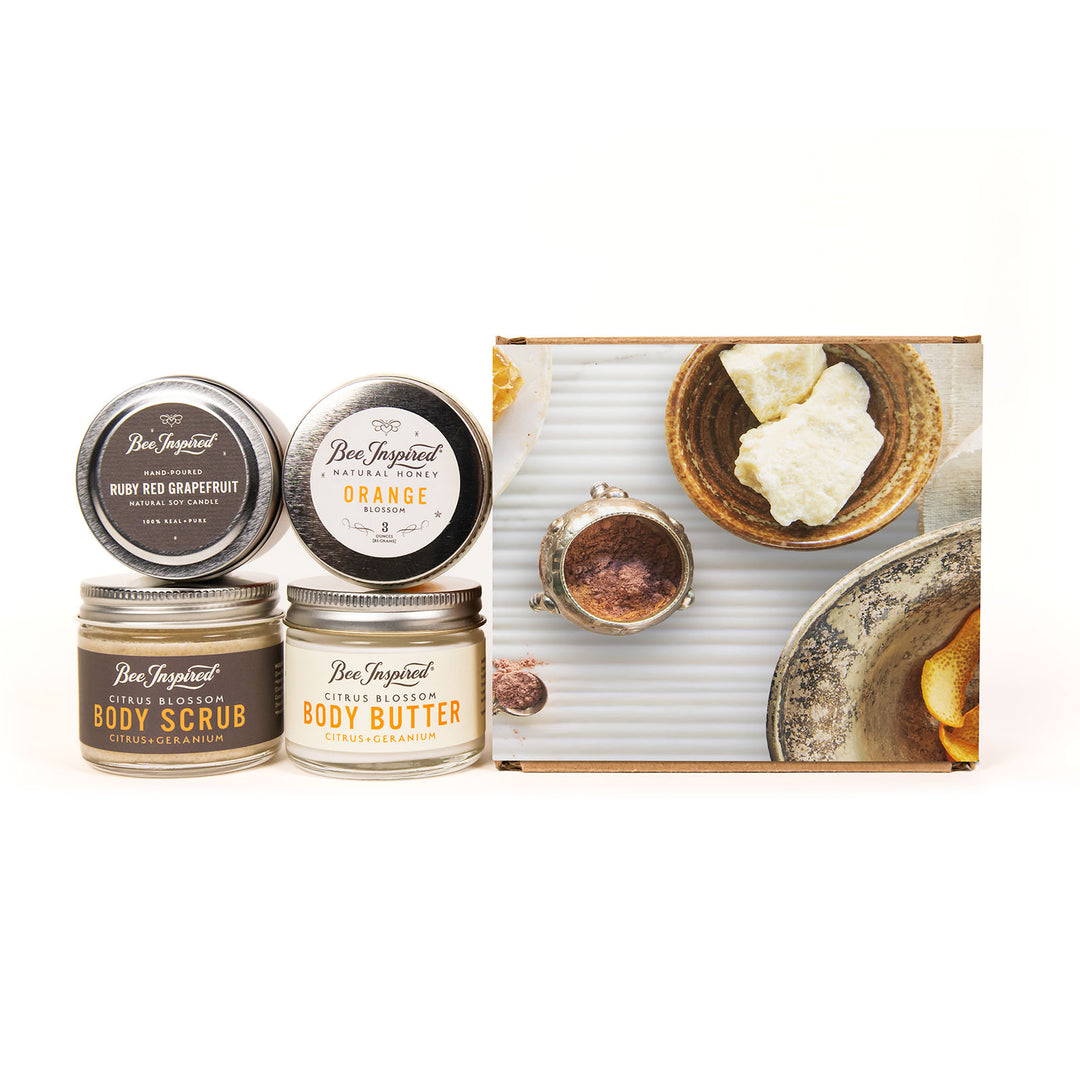
Or browse the full Citrus Blossom Collection for honey, body care, and candles that celebrate the season together.

Explore more seasonal recipes in our Honey Recipes blog, and discover what it means to live in rhythm with the seasons on our Living Seasonally page.

FAQs About Citrus and Honey Recipes
When is citrus season?
Citrus peaks from November through April in the United States, with different varieties coming into their prime at different points. Blood oranges and navel oranges are best from December through March. Meyer lemons are typically available from November through May. Grapefruit and mandarins peak in winter, roughly December through February.
Can you use honey instead of sugar with citrus?
Yes — and many cooks actually prefer it. Honey is about 1.25–1.5 times sweeter than refined sugar, so you use less of it. The general rule is ¾ cup of honey for every 1 cup of sugar. In baked goods, reduce other liquids by about 3–4 tablespoons and lower your oven temperature by 25°F, since honey adds moisture and causes faster browning.
What is the best honey for blood oranges?
Orange Blossom Honey is the natural match — its floral character echoes the berry-like, lightly floral flavor of blood oranges in a way that feels intentional rather than incidental. For savory preparations with blood orange (glazes, dressings), Wildflower Honey brings a bolder sweetness that holds up well.
Are Meyer lemons in season during winter?
Yes — Meyer lemons are one of the true treasures of the winter citrus season. They are sweeter, more fragrant, and less tart than standard Eureka lemons, and they are typically available from late November through May. Look for them at specialty grocery stores or farmers markets. If you can't find them, a blend of regular lemon juice with a small splash of fresh orange juice approximates the flavor.
How do you make honey simple syrup for cocktails?
Combine equal parts minimally filtered honey and warm (not boiling) water in a jar and stir until fully dissolved. For a richer, more intensely flavored syrup, use a 2:1 honey-to-water ratio. Store in a sealed jar in the refrigerator for up to two weeks. Orange Blossom Honey makes a particularly beautiful syrup for citrus cocktails.
What citrus fruits are best for roasting?
Blood oranges, navel oranges, and grapefruit all roast beautifully. Their natural sugars caramelize at high heat, and paired with a honey glaze, they become intensely sweet and jammy. Mandarins and Cara Caras roast well too, though they require slightly less time given their smaller size. Use them in sheet pan dinners with vegetables or chicken for an easy, visually impressive result.
What is the difference between raw honey and regular honey?
Minimally filtered honey is minimally filtered and never pasteurized, which preserves its natural flavor complexity, pollen content, and the full range of flavor compounds that make each varietal distinct. Regular grocery store honey is typically pasteurized and ultra-filtered, which extends shelf life but removes much of what makes honey interesting to cook with. For the recipes in this collection, minimally filtered honey makes a genuinely noticeable difference in flavor.
How should I store honey?
Store honey at room temperature in a sealed jar, away from direct heat and sunlight. Honey has an essentially indefinite shelf life — it does not expire. If your honey crystallizes (a natural process that happens with minimally filtered honey), simply place the jar in warm water and stir gently until it returns to a liquid state. Never microwave honey or expose it to high heat, as this can alter the flavor.